How Squirrels Store for Winter and Find Hidden Nuts
- 8 min read
- 60
As the autumn chill sets in, the fluffy inhabitants of our forests and parks begin extensive preparations for winter. Unlike many forest rodents, squirrels do not hibernate. To survive the harsh frosts, they must rely on their own ingenuity, phenomenal spatial memory, and incredibly sharp sense of smell. How do these tiny creatures manage to hide thousands of acorns and cones, and then find them without error under a thick layer of snow? In this practical guide, we will detail the amazing survival mechanisms of squirrels, the specifics of their winter diet, and ways we can help them.
Step 1: Studying the Tactics of Collecting and Storing Winter Supplies
Preparing for the cold is not chaotic frenzy, but a precisely calculated survival strategy. Since these creatures do not hibernate, their lives depend directly on the reliability of the caches they create. To understand how these fluffy rodents survive the severe frosts, it is necessary to analyze in detail their unique approach to provisioning. Let's find out what treats form the basis of their winter diet and why they never store all their nuts in one place.
Autumn Foraging Diet: Acorns, Nuts, Cones, and Dried Mushrooms
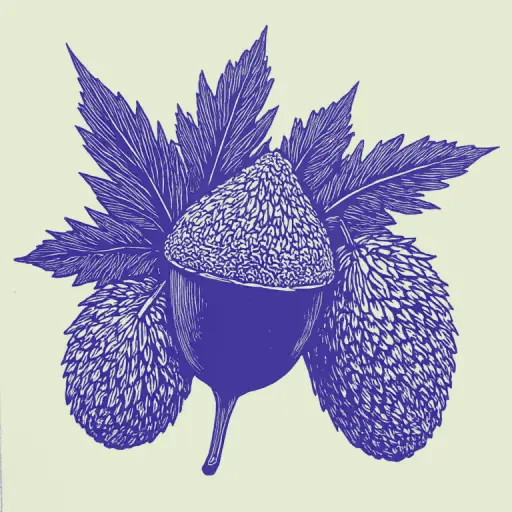
The squirrel's autumn diet is astonishing in its variety. To survive the cold without hibernation, the animal requires maximally caloric food. The basis of the stores consists of:
- Acorns and nuts (hazel, pine nuts) — rich in fats, they are ideal for long-term storage.
- Cones of coniferous trees — squirrels skillfully extract nutritious seeds from them.
- Dried mushrooms — a unique element of the stores. The animals hang them on tree branches to dry and prevent rot.
This nutritious winter diet guarantees the squirrel's survival in the harshest frosts.
Risk Diversification Strategy: Why Squirrels Hide Food in Hundreds of Places
Squirrels use a strategy that biologists call scatter hoarding. Instead of piling all the found treats into one large cache, the animal hides them individually or in small portions in hundreds of different locations across its territory.
This behavior is dictated by the strict need to minimize risks:
- Protection from predators: If a jay, mouse, or competing relative stumbles upon one cache, only a tiny part of the winter supply is affected.
- Camouflage: Constant visits to one large store quickly attract the attention of predators and thieves.
- Insurance against spoilage: If moisture gets into one hollow, the entire supply can rot. Nuts scattered in the ground are protected from mass mold.
This "don't put all your eggs in one basket" tactic allows the fluffy rodents to guarantee their survival, even if part of their stash is raided or lost.
Step 2: Unveiling the Secrets of Phenomenal Cache Finding
Having scattered hundreds of small caches throughout the forest, the squirrel faces the task of finding them in the snowy winter. Contrary to myths of random searching, the rodents' survival is built upon astonishing accuracy, unique intelligence, and natural superpowers. Let's examine exactly which mechanisms allow these fluffy strategists to navigate the snow-covered terrain without error and find their hidden treasures.
Spatial Memory and Creating Mental Maps of the Territory
Contrary to the myth of forgetfulness, squirrels possess phenomenal spatial memory. To navigate among hundreds of caches, they create a detailed mental map of their territory.
The animals use the method of spatial chunking: they organize supplies by type (e.g., acorns in one zone, hazelnuts in another). They use distinctive trees, rocks, and topographical features as landmarks. Studies show that during the caching period, the hippocampus in squirrels increases—the area of the brain responsible for memory and navigation. This allows them to return to their caches without error, even after months.
Acute Sense of Smell: How a Squirrel Finds a Deeply Buried Nut Under Snow
While spatial memory leads the squirrel to the correct sector of the forest, its phenomenal sense of smell determines the final point in the search. Squirrels are capable of smelling a hidden nut or acorn under a layer of snow up to 30–50 centimeters thick.
The secret lies in the preliminary preparation: when burying the fruit in autumn, the animal meticulously licks it or rubs its snout against it. Secretions from special glands leave an individual, fragrant trail. In winter, when the squirrel is in the vicinity of the cache, it detects molecules of this scent seeping through the porous structure of the snow and loose soil, and begins digging without error.
Step 3: Observing Nest Preparation and Behavioral Changes
Finding hidden food is only half the battle for survival. To get through the harsh winter months, squirrels require a reliable and warm shelter, as well as a significant reorganization of their own bodies. By observing the fluffy rodents in late autumn, one can notice how drastically their daily habits and appearance change in anticipation of the cold.
Where Squirrels Winter: The Difference Between a Classic Hollow and a Warm Nest
To survive the severe frosts, squirrels use two main types of winter shelters:
- Classic hollow: The safest and most durable option. Squirrels occupy natural cavities in tree trunks or old woodpecker nests, carefully stuffing all cracks with dry grass, lichen, and fur.
- Warm nest: If a suitable hollow is unavailable, the animal builds a nest—a spherical structure made of branches and twigs, usually high up in the branches of coniferous trees. It is lined inside with a thick layer of soft moss and down. In severe cold, the squirrel seals the single side entrance with a dense "plug" of dry grass, turning the nest into a real thermos.
Coat Replacement and Communal Nesting as Ways to Stay Warm in the Cold
The physiology and behavior of squirrels change drastically in winter. The first defense against the cold is the autumn shedding. The bright red coat is replaced by thick, dense gray fur, which not only camouflages the animal among bare branches but also retains heat.
The second secret to survival is communal nesting. Although squirrels are solitary animals, in extreme cold, they forget territorial disputes. Up to 3–6 individuals may gather in one nest or hollow. They tightly seal the entrance with moss and warm each other with the heat of their bodies. Squirrels do not enter hibernation, but during peak cold spells, they may not go outside for several days to conserve energy.
Step 4: Helping Squirrels Survive the Cold Season
Rules for Safely Observing Furry Animals in the Park
Observing squirrels in the winter park is an engaging activity, but it requires observing safety precautions:
- Maintain distance. Do not attempt to catch or pet the animal. Squirrels are wild rodents that may bite or scratch in self-defense.
- Feed correctly. If you wish to feed a squirrel from your hand, place the treat on an open, flat palm. Do not clench your fingers or make sudden movements.
- Avoid noise. Loud sounds frighten squirrels, causing them to waste precious winter energy fleeing.
- Use feeders. The safest way to observe the furry residents is to fill a stationary feeder and step aside.
What to Put in the Feeder: Composing a Proper and Nutritious Winter Diet
For the help provided to squirrels to be as effective and safe as possible, it is important to understand that their winter diet must imitate natural food while remaining nutritious and easily accessible. The main principle: do not overfeed and do not offer anything that could be harmful.
What can be put in the feeder (Safe Diet):
- Nuts: Walnuts, hazelnuts, cashews (in moderation). This is high-energy food that will help squirrels maintain activity in the cold.
- Seeds: Sunflower seeds (shelled), pumpkin seeds. They are an excellent source of fats and vitamins.
- Dried fruits and berries: Raisins, dried apricots, dried berries (e.g., lingonberries). They provide the necessary supply of carbohydrates.
- Dried mushrooms: Small portions of dried, safe mushrooms can supplement the diet, imitating natural forage.
What absolutely cannot be put in (Dangerous Diet):
- Almonds: They contain cyanide, which is deadly to squirrels. This is the most important rule.
- Bread, pastries, baked goods: These products do not contain the necessary nutritional balance and can cause stomach upset. They can also attract unwanted pests.
- Salty and fatty foods: Salt and excess fat disrupt natural metabolism and can lead to digestive problems.
- Peanuts and pistachios: Although they are nuts, overfeeding or improper feeding can be harmful.
Serving Tip: It is best to use special feeders that protect the food from precipitation and predators. Serve food in small portions to prevent overeating and to not disrupt their natural instinct to forage.
Conclusion
In conclusion, it is important to emphasize that squirrels are not just cute park inhabitants, but true masters of survival and strategic planners. Their ability to create and find reserves, as well as their adaptation to harsh winter conditions, is astonishing. Remember that our main task as observers is not only to admire their agility but also to understand their natural needs. By helping squirrels survive the winter, we must follow the principle of minimal intervention: only safe, high-energy feed in designated areas and respect for their personal space. Studying squirrels teaches us to respect natural cycles and to understand that even the smallest creatures possess incredible inner strength and wisdom for survival.