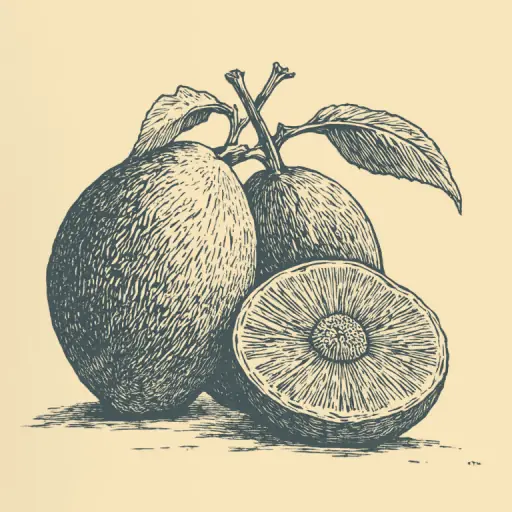
How to Choose Mango in Egypt: A Step-by-Step Buying Guide
- 14 min read
- 61
Egypt is associated with travelers not only with majestic pyramids and the azure depths of the Red Sea, but also with an incredible gastronomic treasure—juicy, aromatic mangoes. Unlike fruits that arrive at Russian supermarkets unripe after long transportation, ripe Egyptian mangoes straight from the branch amaze with their honey sweetness, tender texture without coarse fibers, and bright aroma.
For many tourists, a trip to Hurghada or Sharm el-Sheikh turns into a real food tour. However, the abundance of varieties on local stalls and the persistence of vendors can confuse even the most sophisticated traveler. How to choose correctly, distinguish a ripe fruit from a green one, bargain for the best price, and, most importantly, transport this fragile cargo home intact? In this practical guide, we will cover all the subtleties of buying mangoes in Egypt so that your vacation leaves you with an exclusively sweet aftertaste.
Seasonality and Best Varieties: When and What to Buy
When planning a gastronomic trip to Egypt, it is important to understand: there is no single year-round "mango season" here, nor is there one universal variety. Egyptian farmers grow dozens of varieties of this fruit, each ripening at a strictly defined time and possessing a unique flavor profile—from overly sweet with notes of caramel to refreshing and citrusy.
To avoid disappointment in your purchase and to avoid encountering fibrous imported fruits, you need to accurately synchronize your vacation dates with the harvest calendar. Let's find out in which months the stalls of local markets in Hurghada and Sharm el-Sheikh literally overflow with ripe fruit and which specific varieties you should pay attention to first.
Ripening Calendar: When to Go for the Sweetest Fruits
To catch the peak harvest and buy the ripest fruit at the lowest price, it is important to orient yourself within the phases of the Egyptian mango season:
- June — July (Start): The mango season in Egypt opens with early varieties such as Alphonso and Sokari. The fruits are already sweet, but prices in the markets are still at their peak.
- August — October (Golden Peak): The ideal time to travel. Stalls in Hurghada and Sharm el-Sheikh burst with abundance. The aromatic Timor and juicy Zebda ripen. Prices drop to a minimum.
- November — December (Finale): Time for late and large varieties, led by the fleshy Keitt. These fruits tolerate transportation well, so they are most often bought for taking home.
Plan your vacation from August to November to catch the maximum variety of cultivars at their peak ripeness.
Popular Egyptian Mango Varieties (Keitt, Alphonso, Timor, Zebda)
Each variety of Egyptian mango has a unique flavor profile, texture, and appearance. To avoid being overwhelmed at the market, pay attention to four main favorites:
- Alphonso — One of the first varieties to appear on the stalls. Medium-sized, oval fruits, golden-yellow in color. The flesh is bright orange, firm, almost fiber-free, with a exquisite sweet taste and a light fruity aroma.
- Timor — A large variety with thin greenish-yellow skin. Its flesh is incredibly aromatic, buttery, and very sweet, which is why it is often called "royal."
- Zebda — Easily recognizable by its rich green color, which does not change even when fully ripe. This variety is very juicy, with a fibrous structure, ideal for making fresh juices.
- Keitt — A late giant, ripening closer to autumn. The fruits can weigh over 1 kg. The skin remains green with a light blush, while inside hides dense, honey-like flesh without fibers.
Step-by-Step Guide to Determining Fruit Ripeness
After familiarizing yourself with the diversity of Egyptian varieties, you have probably already decided on your favorites. However, even the most exquisite variety will disappoint if the fruit is unripe or, conversely, spoiled inside. On Egyptian stalls, fruits of different degrees of ripeness often stand next to each other, and you should not rely solely on the vendor's word.
To bring back a truly perfect, juicy, and sweet fruit to the hotel, you need to engage all your senses. Determining mango ripeness is a simple but precise algorithm consisting of several sequential steps. Let's look at how to recognize a ready-to-eat fruit without error right at the stall.
Tactile and Visual Inspection: Assessing Firmness, Skin, and Weight
To accurately determine the ripeness of an Egyptian mango, take the fruit in your hand and perform three simple tests:
- Firmness Assessment. Gently squeeze the mango with your whole palm (do not poke with your fingers to avoid damaging the delicate skin). A ripe fruit should be moderately soft but firm—it yields slightly under pressure and then regains its shape. If the fruit is hard as a rock, it was picked too early. If a deep indentation remains under your fingers, the mango is overripe and has already started to ferment.
- Skin Visual Inspection. Do not rely only on color: popular Egyptian varieties (such as Zebda or Keitt) may remain green even at peak ripeness. The main thing is a smooth, taut skin with a light natural waxy coating. There should be no dark dents, deep cracks, or signs of rot. Small dark freckles are a good sign, indicating sweetness.
- Weight Test. Weigh the fruit in your palm. A ripe, juice-filled mango always feels unexpectedly heavy for its size. Light fruits are likely to be dry and fibrous.
Aroma Test: Why the Smell at the Stem Decides Everything
After assessing the firmness and color, the most reliable but often ignored sign is the aroma. The smell of a ripe mango is not just a pleasant "fruity" bouquet; it is an indicator of its internal sweetness and readiness for consumption. The ideal aroma should be distinct, sweet, and multifaceted, reminiscent of a mixture of peach, melon, orange, and pineapple. Pay attention to where the smell comes from: it should be most concentrated near the stem (the pedicel end). If you bring the fruit close to your nose and smell only a faint, barely perceptible scent, it may indicate that the mango has not yet reached peak ripeness.
How to perform the "aroma test":
- Checking Location: Do not just sniff the skin. Gently bring the fruit close to your nose, focusing on the area where the stem was attached.
- Intensity: A ripe, perfect mango should smell intensely enough that the aroma is noticeable even at a short distance. It is a scent that "bursts" from the fruit.
- Scent Character: The smell should not be sharp, sour, or "green" (this is a sign of underripeness). It should be soft, sweet, and harmonious. If you smell only earth or mold, it is a signal to decline the purchase.
Remember: the aroma is the final touch that confirms what you saw and felt with your hands. If the mango looks perfect but smells weak, it is better to wait or choose another fruit. Aroma is your main ally in the fight for perfect taste.
Where to buy mangoes in Egypt and how not to overpay
You have already learned how to distinguish the perfect, ripe fruit by its weight, firmness, and, most importantly, its fragrance. But knowing how to choose a mango is only half the battle. The second, equally important part is knowing how to buy it affordably and in the right place. Egypt offers several purchasing options, and the choice of location directly affects the quality, freshness, and, of course, the price. Should you go to a supermarket or a bustling local market? Where is the best place to bargain so as not to overpay? We will cover all these nuances so that your mango purchase is as pleasant and profitable as possible.
Fruit stalls and markets in Hurghada and Sharm El Sheikh versus supermarkets
The choice of where to buy mangoes directly affects their freshness, quality, and, most importantly, the price. To avoid mistakes, it is important to understand the difference between three types of retail points.
1. Local markets and farmer's bazaars (Best choice):
This is the ideal place for a food tourist. Here you will find mangoes harvested literally the day before. The assortment will be maximally wide—from rare varieties to the most popular ones. Vendors at the markets often work directly with farmers, which guarantees freshness. Here you can also bargain, and the price will be closest to the real cost. However, be prepared to inspect the fruits yourself, using the knowledge gained in the previous section.
2. Specialized fruit stalls (Good choice):
These stalls are usually located in tourist areas (such as in Hurghada or Sharm El Sheikh). They offer a more convenient and 'polished' buying experience. Here, the mangoes are already sorted, and vendors can provide more detailed advice on varieties. The quality is usually high, but prices can also be higher than at the markets, as they include a markup for convenience and service.
3. Supermarkets (Minimal choice):
Buying mangoes in large supermarkets is not recommended. The fruits are usually either imported or intended for long-term storage, which affects the taste and texture. You risk buying an unripe or, conversely, overripe fruit that will not reveal its true aroma. Supermarkets are only suitable in an emergency if you have no time to search.
Current prices per kilogram and bargaining tips with local vendors
At the local markets of Hurghada and Sharm El Sheikh, mango prices depend on the variety and season. On average, a kilogram of ripe fruit will cost you 30–70 Egyptian Pounds (EGP), which is approximately $0.60–$1.50. The most affordable local varieties (such as Zebda) are cheaper, while premium Alphonso, Timor, or Keitt can reach 80–100 EGP per kilogram.
To avoid overpaying, use proven bargaining techniques:
- Pay in local currency. Vendors are more willing to lower the price if you pay in Egyptian Pounds rather than dollars or euros.
- Buy in boxes. If you are buying 5 kg or more (for taking home), confidently ask for a 15–20% discount from the initial price.
- Learn a couple of phrases. A simple “Bikam da?” (“How much is this?”) will immediately lower the starting price for you.
- Be ready to leave. Calmly inspect the fruits and do not be afraid to politely move to the next stall—this is often the best argument for an instant discount.
Transportation rules: how to get mangoes to Russia intact
Choosing and buying the perfect mango is only half the job. The tastiest fruit can spoil on the way if you don't know the rules. Therefore, before setting off, it is necessary to understand how to properly prepare the mango for long-distance transport. We will look at which varieties are best suited for long journeys and what packaging features will help keep the fruit fresh.
Furthermore, it is important to understand the logistics rules. Transporting fruit is not just a matter of packaging, but also of complying with airline regulations. We will explain in detail how to carry mangoes in hand luggage and how to properly declare them in checked baggage so that your trophy from Egypt arrives home intact and fragrant.
Choosing fruits for transport and packaging features (plastic nets, boxes)
To transport mangoes from Egypt intact, the correct choice of fruit and its packaging are key.
- Fruit selection: For transport, buy firm, slightly underripe fruit. They will ripen perfectly at home at room temperature. Soft and fully ripe fruits will inevitably be bruised, leak juice, and spoil other items.
- Individual protection: Wrap each mango in thick paper or put it in a special plastic net sleeve. This will protect the delicate skin from friction and impact.
- Boxes: The best way to transport is in special cardboard boxes with ventilation holes. These can be bought directly at fruit stalls in Hurghada or Sharm El Sheikh for $1–2. Vendors will carefully arrange the fruit in one or two layers, filling the gaps with paper shred.
Do not pack the fruit in sealed plastic bags—without air access, they will spoil quickly.
Airline rules: carrying mangoes in hand luggage and checked baggage
When transporting mangoes from Egypt to Russia, it is important to consider the requirements of both airlines and customs services.
- Hand luggage. Most carriers (including EgyptAir, Aeroflot, and charter airlines) allow mangoes to be carried in the cabin. The main thing is that the box or basket fits within the weight and size limits of your hand luggage (usually up to 5–10 kg). This is the most reliable way to transport ripe fruit without damage.
- Checked baggage. If you decide to check the fruit, use only hard-shell suitcases or sturdy boxes, padding the fruit with clothing. In soft bags, the mango is guaranteed to turn into a puree.
- Customs limits. According to Russian Federation rules, one passenger is entitled to import up to 5 kg of fresh fruit without a phytosanitary certificate.
Before flying, be sure to check the rules of the specific carrier, as some low-cost carriers charge extra for carrying baskets of fruit exceeding the hand luggage allowance.
What to do with mangoes after purchase: ripening and consumption
After successfully completing all stages—from choosing the perfect variety at the market to proper packaging for long-distance transport—you face a task: how to preserve this tropical aroma and taste at home. Upon arriving in Russia, you may find that some fruits, bought in a semi-green state for better preservation, have not yet reached peak sweetness. In this section, we will tell you how to 'bring' the mango to perfect ripeness at home so that it is as juicy and fragrant as possible. Additionally, we will share ideas on how to serve this exotic fruit so that it becomes the star of your table, whether as a dessert or just a refreshing snack.
How to Properly Ripen Green Mangoes at Home
If you brought hard fruits from Egypt, don't worry—they will ripen perfectly at home. The main rule: never put green mangoes in the refrigerator. Cold stops the ripening process, makes the flesh fibrous, and deprives the fruit of its famous aroma.
Here are two proven ways to quickly bring Egyptian mangoes to condition at room temperature:
- Paper bag with a 'neighbor'. Place the mango in a paper bag or wrap it in newspaper along with a ripe banana or apple. These fruits actively release ethylene gas, which accelerates ripening. The fruit will become soft in just 2–3 days.
- Rice method. Place the mango in a deep container and cover it with dry rice. This traditional Eastern method is excellent at retaining ethylene. The main thing is to ensure no moisture gets inside.
As soon as the fruit becomes slightly soft to the touch and starts emitting a sweet aroma near the stem—it's time to serve it.
Methods for Cutting and Serving Ripe Fruit
Preparing ripe Egyptian mangoes is a true art, as the popular varieties are incredibly juicy and tender. To not lose a drop of sweet nectar, use proven methods.
Classic 'hedgehog' (ideal for beautiful presentation):
Cut off two large sides along the flat pit, leaving about 1 centimeter from the center. On the flesh of each half, carefully make a grid pattern with a knife, trying not to cut through the skin. Press on the peel from the back, turning the half inside out—appetizing cubes will lift up and can be easily scooped onto a plate or eaten with a dessert fork.Cup method (for very soft fruits):
Cut the mango lengthwise along the pit into three pieces. Take a regular glass. Press the edge of the mango half against the rim of the glass where the flesh meets the skin and gently slide the fruit down. The flesh will neatly slip inside the glass, leaving the peeled skin in your hand.Slicing into slices (for firm varieties):
If you have a firm fruit, carefully peel it with a regular vegetable peeler, and then slice the flesh into thin rounds around the pit, moving along the pit.
Before serving, be sure to chill the mango in the refrigerator for a couple of hours—the cool flesh brings out its honeyed and piney notes much more vividly. You can also make a traditional thick Egyptian juice from the ripe fruit by simply blending the flesh without adding water.
Conclusion
Buying mangoes in Egypt is not just a trip to the fruit stand; it's a true gastronomic adventure that can become one of the brightest memories of your trip. Armed with knowledge about ripening seasons, the characteristics of popular varieties (such as the delicate Alphonso or the late Kate) and proper transportation rules, you are guaranteed to bring home perfect fruit.
Don't be afraid to chat with vendors in the colorful markets of Hurghada and Sharm El Sheikh, trust your instincts during tactile inspection, and always rely on the sweet aroma near the stem. May the juicy Egyptian fruits bring you and your loved ones the true taste of the Eastern sun!