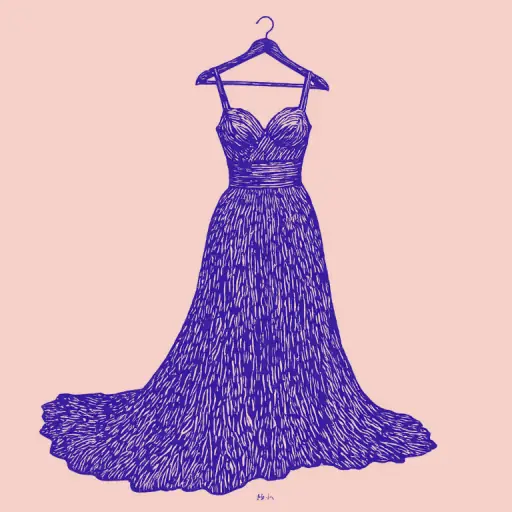
How to Dance with a Train: A Step-by-Step Guide to Dress Preparation
- 15 min read
- 60
A wedding dress with a train is the embodiment of royal majesty and a long-held dream for many brides. The long, flowing hem looks mesmerizing in photographs and during the grand entrance. However, when it comes to the first wedding dance, this luxurious element can turn into a real challenge. How to twirl in a wedding waltz, perform turns and lifts, without fear of stepping on the hem or getting tangled in meters of expensive fabric?
Many brides make the mistake of hoping for luck or simply trying to hold the fabric with their hand during choreography. In reality, a successful and easy dance with a train requires proper technical preparation of the dress and adaptation of movements. In this practical guide, we will explore how to tame the train using a wrist loop or a bustle, how to properly interact with your partner and wedding choreographer, and what to do in case of unforeseen emergencies on the dance floor.
Choosing a Train Fastening Method: Loop, Bustle, or Second Dress
A luxurious train, which looks so captivating during the ceremony and photoshoot, can become a serious obstacle during a dynamic dance. For the bride's first dance to remain light and effortless, it is important to decide in advance on the technical question: exactly how to tame the long hem on the dance floor.
There are three main scenarios for solving this problem. You can elegantly hold the fabric by hand, securely fasten it to the skirt, turning the train into an elegant drape, or completely change your look before hitting the dance floor. Each of these approaches has its nuances that directly affect the freedom of your movements and the overall choreography of the evening.
Comparing Options: Wrist Loop vs. Skirt Pinning (Bustle)
The choice between a wrist loop and pinning to the skirt (bustle) determines not only the aesthetics but also the freedom of your movements during the bride's first dance.
Wrist Loop — this is an elegant and simple solution. All layers of the train are gathered at the bottom, and a neat satin ribbon is sewn to them.
- Pros: The train flows beautifully in motion, creating a flying effect; ideal for a slow waltz.
- Cons: The weight of the fabric constantly rests on the arm. If you have a voluminous dress made of heavy satin, the arm will tire quickly, and active lifts will become impossible.
Skirt Pinning (Bustle) transforms the wedding dress with a train into a classic ball gown of even length using discreet buttons or hooks.
- Pros: Complete freedom of the arms. You can perform any turns and lifts without fear of stepping on the hem.
- Cons: Requires time for fastening before the dance and skilled tailoring to ensure the fastenings can withstand the load.
For dynamic choreography, the bustle is better, while the loop is suitable for a leisurely sway to a romantic melody.
Alternative: Should I Buy a Second Dress for the First Dance?
Buying a second, lighter dress is a radical but maximally comfortable solution for the first dance. If your main outfit has a long, heavy train and a voluminous crinoline, even the most reliable bustle will not grant complete freedom of movement.
When to choose a second dress:
- Complex choreography: You plan a fast dance, active lifts, jumps, or sharp turns.
- Heavy fabric: The main dress is made of dense satin, brocade, or heavily decorated with beads.
- Comfort at the banquet: You want to relax after the official part without worrying about someone stepping on the hem.
The main drawback of this solution is the additional cost and the need to spend time changing. If the budget allows, choose a simple midi dress or a light A-line silhouette without a train. This will save your first dance and allow you to enjoy the moment without the fear of getting tangled in meters of expensive fabric.
Technical Dress Preparation: How to Secure the Train Reliably
To prevent the luxurious wedding dress with a train from turning into a heavy ordeal on the dance floor, it must be properly modified. Even the most exquisite train can be made obedient and safe for dancing if you take care of the reliable hardware in advance. The secret to confident movement lies in the inconspicuous details that take on the entire load from the fabric's weight during steps and turns.
There are two proven engineering solutions that allow you to temporarily 'tame' the length of the hem while preserving the dress's aesthetics. Let's examine the technical subtleties of creating these fastenings so you can easily transform the dress right before the first dance.
How to Sew and Properly Use a Wrist Loop
The wrist loop is the simplest and most elegant way to control a medium-length train during movement. To make it reliable and comfortable, follow this instruction:
- Determine the attachment point. Gather all layers of the hem into one bunch at the very bottom of the train, strictly in the center. It is important that all skirts lift simultaneously, otherwise, the bottom tulle layer will drag on the floor.
- Choose the material. Use a strong satin ribbon matching the dress, 1–1.5 cm wide, or braid a dense cord from embroidery floss.
- Sew the loop. The loop length should allow it to be easily put on the arm but not allow the fabric to sag to the floor. Securely sew it on the inside, catching the main seams.
Dance Hack: Put the loop on your left arm. During a classic waltz, the bride's left arm rests on the groom's shoulder—this will allow you to beautifully lift the fabric, creating an impressive drape, and completely free your right arm for leading.
Creating a Bustle: Ways to Pin the Train with Buttons and Hooks
Creating a bustle is the ideal way to completely free the bride's arms during active dancing, turning the train into an elegant drape. There are two main technical solutions:
- Classic (External) Bustle. Strong buttons covered with matching dress fabric are sewn onto the skirt (around the waist or hips), and inconspicuous loops are placed on the train itself. For light chiffon, one button in the center is enough, but for heavy satin or voluminous tulle, 3 to 5 attachment points are required to distribute the weight evenly.
- French (Internal) Bustle. The train is neatly tucked inside and secured from the inside using a system of strong metal hooks or hidden ribbons. This method creates a beautiful 'balloon' silhouette and completely protects the hem from dirt.
Strength Hack: On the inside, always reinforce the areas where the buttons and hooks are sewn with pieces of interfacing or sturdy trim. This will save the fabric from tearing if the partner accidentally steps on the hem during a turn.
Adapting the Wedding Dance Choreography
Even the most reliable construction of buttons and loops will not turn a heavy wedding hem into weightless fabric. For the first dance to look light and effortless, the choreography must be adapted to the features of your dress. A long train dictates its own rules: it changes the trajectory of steps, restricts sharp turns, and requires special attention when performing lifts.
Success in a performance lies in the details—from the correct foot placement to the synchronization of movements with your partner. To avoid mishaps on the dance floor, it is important to restructure your usual dance patterns in advance and conduct a series of rehearsals in conditions as close to the celebration as possible. Let's look at how to adjust the dance pattern and build effective collaboration with the choreographer.
Features of Steps, Turns, and Supports in a Long Train Gown
Moving in a long train gown requires changing your usual dance mechanics. For the bride's first dance to look light and effortless, the choreography is adapted to the features of the cut:
- Steps Back and in Circles. Forget classic steps directly backward—this guarantees you will step on the train. Move diagonally or in an arc. When stepping back, make a light gliding movement with your foot, as if 'pushing' the fabric forward with your toe.
- Smooth Turns. Abrupt spins are contraindicated: the train can wrap around your partner's legs. Execute turns smoothly, allowing the fabric time to trace a beautiful arc on the floor. The partner should lead gently, leaving the bride a little more space to maneuver.
- Safe Supports. Give up high and complex lifts. The optimal choice is semi-supports, dips, and light twirls, where the train gracefully spreads on the floor rather than wrapping around the groom's legs.
Working with the Wedding Choreographer and Conducting Rehearsals
The success of the bride's first dance largely depends on synergy with the wedding choreographer. From the first meeting, be sure to inform the specialist that your wedding dress has a train. The professional will immediately adjust the dance pattern, excluding overly sharp turns and complex floor elements.
Tips for Effective Rehearsals:
- Train Simulation. For the initial lessons, bring a long sheet or a piece of heavy fabric, securing it at the waist. This will help your partner get used to the dimensions and teach him to maintain the correct distance.
- Rehearsal in Shoes. Dance in the exact shoes you will wear on the wedding day. The heel height critically affects how you will interact with the hemline.
- Dress Rehearsal. Conduct at least one rehearsal with the train secured (on a loop or bustle) to test the security of the fastenings while moving.
Do not be afraid to simplify the choreography for comfort. The main thing at this moment is your confidence and genuine emotion, not the technical complexity of the steps.
Dance Floor Movement Rules: A Step-by-Step Guide
Even the most secure train fastening and rehearsal schedule in the studio cannot replace understanding the physics of the dress movement on a real dance floor. When the lights dim and the music starts, it is important for the bride to shift her focus from technical details to the plasticity of the step itself. Dancing in a long train is a special art of fabric management, where every foot movement must be conscious and coordinated with your partner.
For the first dance to look light and effortless, you must master the basic mechanics of movement. In this section, we will examine practical rules that will help you glide across the floor without fear of stepping on the train, and we will study in detail the specifics of classic wedding movements in a luxurious gown.
Technique for Moving Back and Sideways Without Getting Tangled in Fabric
Moving backward and sideways in a train gown requires a special step mechanic. The main rule when moving backward is never to take a classic step with the heel. Instead, use a 'gliding' technique or a light 'kick':
- Step Back: Starting the backward movement, gently lead the foot along the floor, making a slight semi-circular movement with the sole outward. With the heel of the leading foot, you gently push the lower skirts and the train backward, freeing up space for the step. This prevents stepping on your own hemline.
- Sideways Movement: Transfer your body weight onto the balls of your feet. When stepping to the side, slightly lift the hip of the leading leg to raise the edge of the skirt above the floor. Avoid crossing steps; keep your feet parallel.
- Posture Control: Keep your torso slightly inclined forward. This shifts the center of gravity and visually lengthens the step, preventing your feet from getting tangled in the tulle or satin.
Features of Performing a Wedding Waltz with a Train
Performing a classic wedding waltz in a train gown is the pinnacle of wedding aesthetics, but it requires special control over the trajectory of movement. The main difficulty of the waltz lies in continuous circling and progression across the hall. To prevent the long train from becoming a trap, follow three key rules:
- Use Centrifugal Force. During smooth turns, the train will beautifully follow you in an arc. The main thing is to avoid sudden changes in direction. If you are dancing with a wrist loop, keep your hand slightly to the side, gently guiding the fabric along the direction of movement.
- Increase Distance in the Couple. The partner needs to keep the dance frame slightly wider than usual. When stepping forward, the groom should direct his foot slightly 'around' your right leg to ensure he does not step on the train gliding behind you.
- Control the Tempo. A slow waltz is ideal for a voluminous dress. It forgives minor inaccuracies and allows you to gently correct the fabric's position with a light, inconspicuous foot movement.
Remember: in the waltz, the train works for you, creating a floating effect, if all steps are performed softly and without haste.
Dance Floor Lifelines: Handling Emergencies
Even after dozens of rehearsals and perfect bustle adjustments, the real wedding dance floor can present surprises. Camera flashes, nervousness, guest commotion, or an accidental clumsy move by your partner—and suddenly someone steps on your luxurious hemline. The main thing in this moment is to remember that a momentary pause should not ruin the magic of your celebration.
Instead of panicking about snagged fabric, it is important to have a clear action plan for any unforeseen circumstances. The ability to instantly orient yourself, maintain royal posture, and handle an awkward moment with a smile is as much an art as the dance itself. Let's examine practical self-rescue algorithms that will help you emerge from any on-floor emergency situation with absolute triumph.
What to Do If Your Partner or a Guest Steps on the Train
Even with perfect preparation, the unexpected can happen on the dance floor: a partner or an enthusiastic guest steps on the hemline. The main rule in this moment is no panic and no sudden movements. If you feel the fabric tightening, a sharp lunge forward will certainly lead to the tearing of the loop, buttons, or delicate tulle.
Here is the step-by-step algorithm for saving the dance:
- Take a micro-pause. Play the momentary stop as a dramatic element of the choreography. Freeze in a beautiful pose, look your partner in the eyes, and smile.
- Give a subtle signal. Quietly tell your partner: "Train" or "Stop." If a guest has stepped in, gently shift your body weight, letting them know they need to take a step back.
- Free the fabric. Your partner should carefully step over, clearing the hem, after which you can continue moving.
- Use "Plan B." If the fastening has come undone, do not try to frantically fix it in the middle of the dance floor. Simply lift the train by the wrist loop with your hand and dance on with a regal smile.
Keep an "emergency kit" ready with the coordinator or a friend: matching colored safety pins and a needle and thread to quickly restore the train's original appearance immediately after the number.
Psychological Mindset: How to Maintain Posture and Confidence
Even if there is a momentary hitch on the dance floor, your greatest ally is impeccable posture and a sincere smile. The bride's inner state is instantly read by the audience: if you show that you are completely in control of the situation, guests will perceive any momentary pause as part of an elegant performance.
To maintain regal confidence at any point in the dance, use the following techniques:
- Maintain body axis. Roll your shoulders back, drop your shoulder blades down, and slightly lift your chin. Correct posture not only visually elongates the silhouette but also helps the body instantly regain balance if you accidentally catch the hem.
- The "invisible crown" effect. Imagine a fragile crown resting on your head. Quick glances down to check the train's condition instantly reveal anxiety. Trust your instincts and your partner's lead.
- The right attitude toward the gown. Remember that the dress was made for you, not that you are made for it. A voluminous gown with a train may get dirty or slightly snag—this is the natural life of the fabric. Approach this with light irony.
- Focus on your partner. Look into your beloved's eyes, not at the floor. This will not only add romance to the dance but also distract you from excessive worries about the technical aspects of the movement.
Conclusion
The first dance in a wedding gown with a train is not just a choreographed number, but a true visual magic and one of the most memorable moments of your celebration. The long hem, which may initially seem like a complex technical obstacle to the bride, transforms with proper preparation into a luxurious tool of artistic expression, adding royal grandeur to the movements.
To ensure your entrance onto the dance floor is flawless, it is enough to follow three key rules:
- Technical reliability. Plan the fastening method in advance—whether it is an elegant bustle with buttons or a convenient wrist loop. Check the strength of all fastenings with the seamstress.
- Practice and adaptation. Be sure to rehearse with the choreographer using a practice skirt of a similar length and practice the trajectory of steps backward and sideways.
- Inner confidence. Remember that minor hesitations are unnoticeable to guests if you maintain impeccable posture, a smile, and eye contact with your partner.
May your wedding dance with a train be a light, graceful, and truly inspiring event. Trust the preparation you have done, relax, and allow yourself to simply enjoy this special moment of love and beauty!