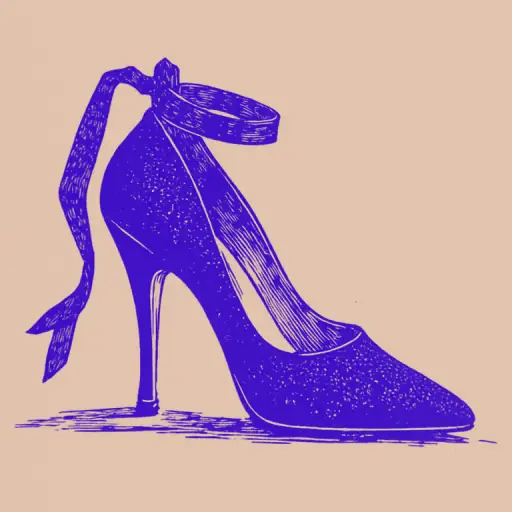
How to Describe Shoes Beautifully and Attractively for Buyers?
- 14 min read
- 168
Footwear is not just a functional wardrobe element. It is a statement of status, mood, and lifestyle. In the era of online shopping, when the buyer lacks the ability to touch the material, fashion copywriting becomes the main bridge between the brand and the client. Properly chosen beautiful words about shoes can transform a flat image on the screen into a tangible dream of a flawless look.
When creating selling text for shoes, it is important to show not just a product, but a source of self-confidence. Dry technical shoe specifications are important for rational choice, but without emotional connection, they do not sell. Whether it is a concise product card (shoes) on a marketplace or an engaging Instagram text for shoes, it must evoke an instant response. A well-crafted shoe description gives the buyer the anticipation of a perfect fit and an easy stride.
In this guide, we will explore how to select precise adjectives for shoes and expressive epithets for pumps so that your texts do not just inform, but sell emotions and style.
Anatomy of an Attractive Text: The Balance of Emotions and Facts
A beautiful description of pumps is not just a collection of enthusiastic epithets, but a finely tuned text engineering. When a female buyer chooses the perfect pair online, her mind undertakes a complex journey from instant aesthetic infatuation to the rational assessment of heel height and insole softness. If the text is deprived of emotion, it turns into a dry specification, and without facts, it remains only a beautiful but unconvincing promise. The secret to selling fashion copywriting lies in a harmonious balance: we need not just to make the client imagine how elegantly the pumps will accentuate her ankle, but also to immediately alleviate her fears by explaining the comfort of the last. Let's analyze the anatomy of such a text and understand how to connect the poetry of style with practical benefit.
The Psychology of Shoe Selection: Why Buyers Seek Emotions, Not Just Characteristics
Buying a new pair of pumps is rarely an exclusively rational act. When a woman browses a catalog or scrolls through a social media feed, she is not looking for just "Chevre leather, 8 cm heel, and polyurethane sole." She is looking for a certain state and self-perception.
Shoes are a powerful psychological anchor. Properly chosen pumps can instantly change posture, gait, and inner mood. When creating a shoe description, it is important to understand what image the buyer is trying on:
- Confidence and Status: bold stilettos in which she can successfully conduct important negotiations and feel like the master of the situation.
- Lightness and Freedom: elegant low-heeled pumps for spontaneous walks on cobbled streets and warm meetings with friends.
- Seduction and Grace: evening models that capture attention and turn every step into a runway show.
Fashion copywriting is built on selling this end state. If your text appeals only to the dry characteristics of the pumps, you are forced to compete on price. But when you select beautiful words about shoes and convey emotion—confident stride, tactile bliss, anticipation of a celebration—the product's value in the client's eyes increases manifold.
The Formula for the Perfect Description: How to Harmoniously Combine Aesthetics, Style, and Practical Benefit
To transform a regular shoe description into a selling masterpiece, use the proven three-component formula: Aesthetics + Style + Benefit. This balance allows you to engage both the buyer's emotions and rational thinking simultaneously.
- Aesthetics (Visual Trigger): Describe the shape, color, and texture so that a vivid picture arises in the imagination. Use precise epithets for pumps (e.g., "velvety suede in a deep wine shade").
- Style (Context of Use): Suggest what to wear this pair with. Help the client mentally place the shoes in their wardrobe ("will complement a strict suit or a flowing silk dress").
- Practical Benefit (Rational Argument): Justify the purchase with facts. Indicate the heel height, sole material, and last features ("a stable 6 cm heel and an anatomical insole reduce stress on the foot").
Example of a template based on the formula:
"Elegant nude pumps (Aesthetics) will visually lengthen the legs and serve as a base for any look—from office wear to a cocktail party (Style). Thanks to the soft natural leather and the well-crafted last, you will forget about foot fatigue even after a full day on your feet (Benefit)."
Step-by-Step Description Builder: From First Glance to Tactile Sensations
To transform an abstract formula into a lively, selling text, we need a step-by-step algorithm. Describing pumps is always a journey from the first visual contact to the imagined try-on. The buyer first "falls in love with their eyes," assessing the elegance of the lines and the color, and then mentally tries on the pair, trying to feel the softness of the leather and the height of the arch.
In this section, we will break down a practical builder that will help you sequentially recreate this journey on paper. We will learn to translate visual characteristics into the language of high aesthetics and convey physical comfort in such a way that the client literally feels the lightness of every step even before placing the order.
Step 1. Visual Image: How to Vividly and Detailedly Describe the Toe Shape, Heel, Color, and Material
The first thing the buyer sees is the silhouette. Our task as copywriters is to transform a flat picture on the screen into a voluminous, almost tangible image. To do this, we will break down the visual description into four components:
- Toe Shape. Avoid the dull "pointed toe." Write: "an elegant tapered toe that visually elongates the silhouette" or "a trendy square cut that adds strict graphicness to the look".
- Heel. This is the character of the pumps. Instead of dry numbers ("9 cm heel"), give an emotion: "a high stiletto heel that creates the effect of endless legs", "a stable block heel of a geometric shape", or "a coquettish kitten heel in the spirit of retro aesthetics".
- Color. Forget the basic palette. Red turns into "vibrant ruby" or "mature burgundy", beige into "creamy nude" or "warm latte shade", and black into "deep velvety charcoal".
- Material Texture. Describe how the light plays on the surface: "glossy patent leather with a mirror shine", "soft glove leather that conforms to the foot", or "noble suede with a dense nap".
Example of Text Transformation:
- Before: Black leather pumps with an 8 cm heel and a pointed toe.
- After: Elegant pumps made of matte charcoal leather. The elegant tapered toe and thin stiletto create an impeccable evening silhouette that captures attention.
Step 2. The Try-On Effect: How to Convey Comfort, Insole Softness, and Lightness of Step in Simple Words
A visual image attracts attention, but the body makes the final purchasing decision. For a client to want to try on shoes, they must physically feel their comfort through your text. Transfer tactile sensations to the screen using understandable life metaphors.
When describing comfort, avoid the cliché "very comfortable." Break down comfort into three components:
- Anatomical last: Describe it as support. Instead of technical terms, write: "the last gently embraces the foot", "it correctly distributes the load, relieving the back", or "it is designed taking into account the natural curves of the foot".
- Soft insole: The insole is responsible for softness. Use comparisons: "shock-absorbing insole with memory effect", "the feeling of stepping on a soft carpet", "velvety leather that allows the foot to breathe".
- Lightness of step: Show the shoes in motion. Write about "weightless gait", "a stable heel that grants confidence with every step", or how "in these pumps, it is easy to flutter from a business meeting to an evening cocktail".
This sensory copywriting eliminates the main fear of online shopping—the fear of getting the comfort wrong and developing blisters on the first day.
Dictionary of Epithets and Metaphors for Different Shoe Models
Once the physical sensation of comfort has been conveyed, the magic of precise words takes center stage. Properly chosen epithets and metaphors can transform a standard product description into a captivating story that awakens an instant desire to own the pair. A word is a subtle tool that visualizes leather texture, makes you feel the height of the heel, and mentally tries on the shoes to your favorite outfit.
To prevent your text from looking templated, it is important to separate the stylistic language for different shoe categories. Formal stilettos require an atmosphere of luxury, grace, and seduction, while everyday low-heeled models are revealed through the aesthetics of confidence, stability, and effortless chic. Below, we have compiled ready-made palettes of words that will help you instantly find the right images for any type of shoe.
How to Describe Stilettos, Pumps, and Evening Models: Words That Create an Atmosphere of Luxury and Grace
When describing evening models and iconic stilettos, our goal is not just to sell shoes, but the feeling of one's own irresistibility, triumph, and grace. Dry technical terms are inappropriate here. They are replaced by words that evoke tactile and visual associations with luxury. Evening shoes are always a promise of celebration, so emphasize how the woman will feel in this pair: confident, alluring, drawing admiring glances.
Use a proven palette of images to create an atmosphere of chic:
| Category | Epithets and Metaphors | Ready-Made Application Example |
|---|---|---|
| Silhouette and Shape | Sculpted, flawless, sculptural, hypnotic curve, jewelry-like precision of lines. | "Pumps with a sculpted silhouette and hypnotic curve perfectly outline the foot." |
| Heel and Height | Dazzling stiletto, swift silhouette, weightless height, elegant support. | "The sculptural stiletto heel visually lengthens the silhouette, adding royal poise to the gait." |
| Materials and Decor | Shimmering satin, noble suede, mirror lacquer, scattering of crystals, liquid gold. | "The soft shimmer of black satin combined with a scattering of crystals turns this pair into a piece of jewelry." |
A little secret of fashion copywriting: Avoid the worn-out word "beautiful." Replace it with "aesthetic", "refined", "seductive", or "dramatic". Remember that a stiletto is not just a wardrobe detail, but a manifesto of femininity and self-confidence.
Correct Adjectives for Everyday Shoes: How to Present a Stable Heel and Low Profile Attractively
Everyday shoes often suffer from boring descriptions: the words "comfortable," "practical," and "durable" evoke boredom and are associated with something purely utilitarian. The task of the fashion copywriter is to turn comfort into a synonym for modern elegance and dynamic city style.
Here are proven epithets and metaphors that will help transform the description of low-heeled and stable-heeled models:
- For stable heels (block, trapezoidal, brick): Instead of "thick heel," use architectural, sculptural, confident, graphic. For example: "a heel that grants impeccable stability" or "a sculptural accent that balances fashion and comfort."
- For low profiles (loafers, ballet flats, derbies): Instead of "flat sole," write dynamic low profile, weightless sole, flexible flats, Parisian chic. For example: "shoes ready for your active day" or "elegance without compromise."
Replacement Table for Sales Copy:
| Boring | Attractive and Vivid |
|---|---|
| Comfortable last | Anatomical fit, gently mirroring the contours of the foot |
| Low heel | Delicate lift, preserving the natural lightness of the gait |
| Soft leather | Tactile, pliable leather, gently embracing the leg |
| Everyday shoes | The base of a city wardrobe for dynamic days |
By using these formulations, you show the buyer that comfort is not a compromise with beauty, but the highest expression of self-care.
Adapting Descriptions for Different Platforms and Analyzing Typical Mistakes
Even the most exquisite text, filled with vivid epithets and precise metaphors, can miss its target if it is published on the wrong platform. A poetic description of "velvet twilight suede," which works wonders on social media, will be useless in a Wildberries product card, where search algorithms and dry facts reign supreme. Conversely, a dry list of technical specifications will kill all the magic of emotional purchasing in a fashion blog.
The art of fashion copywriting lies in the ability to adapt the same image to different formats. Next, we will analyze how to transform a shoe description depending on where the buyer will read it, as well as examine typical author mistakes that hinder sales.
Text Specificity: Sales Cards for Marketplaces (Wildberries, Ozon) vs. Atmospheric Social Media Posts
The success of a shoe description directly depends on where the buyer will read it. The same pair requires a fundamentally different positioning on marketplaces and in social networks.
Marketplaces (Wildberries, Ozon): Rationality and SEO
Pragmatism rules here. The buyer comes to the marketplace with a specific query, so the product card must instantly answer their questions and contain keywords ("women's pumps," "medium-heeled shoes").
- Structure: Clear lists, structured specifications, no filler.
- Focus: Insole comfort, heel height, size chart compliance, instep features.
- Example: “Classic leather pumps made of natural suede. A stable 7 cm heel and a soft leather insole ensure comfort throughout the workday. Ideal for medium foot width (F).”
Social Media: Emotion and Style
On social media, people buy not just shoes, but a lifestyle, an aesthetic, and a mood. The text must complement beautiful visuals and evoke the desire to adopt that look.
- Structure: Light storytelling, emotional triggers, styling tips.
- Focus: Atmosphere, tactile sensations, ready-made look formulas (“how to wear it”).
- Example: “Imagine: an evening, the dim light of a favorite restaurant, and you are wearing these flawless scarlet stilettos. They don't just complete the look; they create a mood. Pair them with a minimalist black dress or relaxed jeans for a bold contrast.”
Comparison Table: Marketplace vs. Social Media
| Criterion | WB/Ozon Card | Social Media Post |
|---|---|---|
| Goal | Quick sale, answering objections | Inspiration, engagement, brand loyalty |
| Style | Informational, concise, SEO-optimized | Emotional, evocative, friendly |
| Main Focus | Specifications, sizing, practicality | Aesthetics, trends, ready-made look formulas |
Typical Copywriting Mistakes When Describing Shoes and How to Avoid Them
Moving from theory to practice, it is important not only to know what to write but also to understand what pitfalls to avoid. Even the most poetic text can fail if typical fashion copywriting mistakes are made.
- Bureaucratese and Empty Clichés. Words like “stylish design,” “high quality,” and “unique silhouette” have long since become white noise. The buyer doesn't see a real product behind them. Solution: Replace abstractions with specifics. Instead of writing “fashionable shoes,” write “pointed-toe pumps in a burgundy shade with a trendy kitten heel.”
- Ignoring Ergonomics for Aesthetics. Describing a 12 cm stiletto as “comfortable footwear for long walks” only breeds distrust. Solution: Be honest. Describe the stiletto as “a striking choice for special evenings that creates a floating silhouette,” and for everyday models, emphasize the soft shock-absorbing insole and stable arch support.
- Lack of Structure. A solid block of text where emotions, sizes, and care instructions are mixed together tires the reader. Solution: Divide the text into paragraphs. Use lists: first the visual image, then the tactile sensations upon trying them on, and finally the practical details (heel height, material, fit features).
Conclusion: Checklist for Reviewing a Finished Shoe Description
We have gone through the entire process of creating the perfect text—from finding inspiration and selecting vivid epithets to adapting for specific platforms. Now that your description is ready, it is time for a final check. This practical checklist will help ensure that your text is balanced, free of clichés, and hits the target precisely.
Before publishing, check the text against the following points:
- Emotional Trigger. Are there beautiful words about the shoes in the text that create an atmosphere? Will the buyer feel the aesthetic and grace of the model while reading?
- Balance of Emotion and Facts. Is the sales text overloaded? The shoes must be described not only poetically but also practically. Are the key shoe characteristics indicated (heel height and shape, material, insole features)?
- Precision of Phrasing. Have you replaced banal adjectives for shoes (“good,” “stylish”) with precise epithets for shoes (“stable kitten heel,” “velvety suede,” “deep emerald shade”)?
- Platform Suitability. If it is a product card, are the parameters easily readable for marketplaces? If it is text for Instagram or social media, does it inspire the reader to try on the look?
- Readability. Are there any bureaucratic phrases or clichés in the text? Is the shoe description easy to read aloud?
- Clear Call to Action. Does the buyer know how to place an order or arrange a fitting?
Fashion copywriting is the art of selling not just things, but a feeling of confidence and beauty. Use this checklist to bring every text to perfection.