How to Destroy the Warehouse Weevil: Step-by-Step Guide to Grain Protection
- 14 min read
- 87
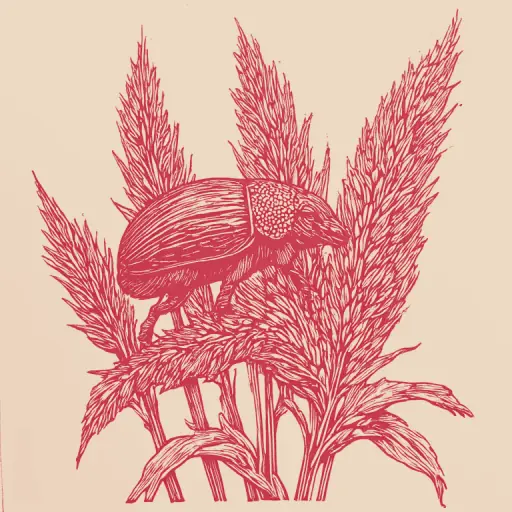
The granary weevil, also known as the grain beetle or cereal weevil, is one of the most dangerous and voracious pests of grain stores. This tiny beetle can cause colossal damage to both multi-ton reserves in elevators and modest home stores of cereals in the kitchen. The main danger lies in the fact that the weevil larva develops inside the grain, remaining unnoticed until the mass destruction of the harvest.
Controlling this pest requires a comprehensive approach. Whether you own a large grain storage facility or are a careful homemaker facing the pest in a kitchen cupboard, half-measures will not help. In this practical guide, we will detail how to eliminate the granary weevil once and for all. You will learn about modern warehouse disinfection methods, temperature regimes, the use of fumigation, and effective home methods for protecting food.
Step 1. Assessing the Threat Scale and Preparing for Control
Successfully eliminating the granary weevil (grain beetle) is impossible without a precise understanding of the scale of the problem you are facing. Before purchasing expensive chemicals or proceeding with radical treatment, a thorough inventory of the stores must be conducted. This will allow for the localization of infestation foci and resource conservation.
Timely diagnosis is the foundation of the entire integrated grain protection system. At this stage, it is important not just to confirm the presence of the pest, but also to correctly assess the degree of its spread and to realize the real risks this stealthy beetle poses to the quality of the harvest and human health.
How to Detect the Granary Weevil and Assess Infestation Level
Detecting the granary weevil (grain beetle) in its early stages is not an easy task, as the weevil larva develops covertly, directly inside the grain kernel. Nevertheless, timely monitoring can save the harvest.
The following methods are used to assess the degree of infestation:
- Sifting on Sieves. Grain samples are passed through sieves with holes measuring 1.5–2.5 mm in diameter. This allows for the quick separation of adult mobile beetles from the grain mass.
- Flotation Method. A small portion of grain is submerged in water. Damaged, hollow grains where the hidden pest form develops float to the surface.
- Temperature Monitoring. Active insect reproduction causes localized grain self-heating. A sharp rise in temperature in specific points of the pile is a sure sign of an infestation focus.
- Pheromone Traps. These help detect the presence of individual specimens even before mass damage to the stores begins.
Remember that the economic threshold of harm for this pest is one individual per kilogram: even a single finding requires immediate action.
Pest Danger to Human Health and Harvest Preservation
The presence of the granary weevil (grain beetle) in stores is not just a loss in harvest weight, but a serious threat to its quality and safety.
Damage to the Harvest:
- Grain Destruction: The weevil larva eats the grain from the inside, destroying the nutritious endosperm and germ. The seeds completely lose viability and nutritional value.
- Grain Self-Heating: The active life of the pests sharply increases the moisture and temperature inside the pile. This initiates the self-heating process, leading to the rapid rotting and spoilage of the entire batch.
- Disease Spread: Beetles are carriers of spores of harmful fungi (including smut) and dangerous bacteria.
Danger to Human Health:
It is strictly forbidden to consume contaminated cereals or flour. The waste products of the pest, excrement, and larval skins contain toxins and strong allergens. Their entry into the human or animal body causes severe food poisoning, gastrointestinal disorders, as well as acute allergic reactions and asthma attacks.
Step 2. Preparation and Disinfection of the Grain Storage Facility
Reliable protection of the harvest from the voracious pest begins long before the first batch of grain is poured into the bunkers. Even a few surviving individuals or larvae hidden in wall crevices, wooden supports, or remnants of last year's grain are capable of instantly infecting tons of fresh product. This is why the preparation and disinfection of the grain storage facility is a critically important sanitary barrier that cannot be ignored.
Before filling the warehouses, it is necessary to create an environment absolutely unsuitable for the survival of the "grain beetle." A comprehensive approach at this stage includes the total cleaning of the space, the destruction of hidden breeding foci, and bringing the grain itself to a condition that prevents insect life. Below, we will detail two basic preventive steps without which any subsequent chemical treatment will lose its effectiveness.
Wet and Aerosol Treatment of Empty Warehouses Before Storage
Before storing a new harvest, empty warehouses require mandatory disinfection. Warehouse disinfection is carried out using two main methods: wet and aerosol. This allows for the destruction of adult grain beetles hiding in the cracks of the floor, walls, and supports and prevents the contamination of fresh grain.
- Wet Disinfection is used for direct surface treatment. For this, broad-spectrum insecticides are used (for example, preparations based on pyrimiphos-methyl or malathion, such as "Actellic" and "Fufanon"). The walls, pillars, floors, and the area adjacent to the warehouse are thoroughly sprayed with the working solution.
- Aerosol Treatment (generation of cold or hot fog) is indispensable for high ceilings and hard-to-reach structures. Fine droplets of insecticide are suspended in the air and penetrate any micro-cracks where the weevil larva might hide.
After chemical treatment, the warehouse is hermetically sealed for 1–3 days, after which it is thoroughly ventilated and dried until the odor of the preparation completely disappears.
Preliminary Cleaning and Drying of Grain
After disinfecting the premises, the grain itself must be prepared. Storing uncleaned or damp grain is the main mistake that nullifies all preventive measures.
Mechanical Cleaning
Weed impurities, dust, and broken grains create ideal conditions for the pest's nutrition and reproduction. The weevil larva penetrates damaged kernels much more easily. Cleaning is carried out on grain cleaning machines (separators, triers), carefully removing light impurities, broken grain, and dust.
Grain Drying
Grain moisture content is a key factor in pest survival. This indicator must be reduced to a safe level—12–13%. At moisture levels below 12%, larval development ceases, and adult beetles lose their ability to reproduce. Furthermore, drying prevents grain self-heating—a process in which heat and moisture are released, creating an ideal incubator for weevils.
For drying, shaft or recirculation dryers are used, strictly controlling the temperature regime so as not to damage the gluten or reduce the germination of seed material.
Step 3. Application of Physico-Mechanical Methods
After primary cleaning and preparing the harvest for storage, it is important to utilize natural environmental factors, to which the granary weevil is extremely sensitive. Physico-mechanical control methods are a reliable and ecological way to stop the pest's expansion without immediately using chemicals. By regulating basic storage parameters, it is possible not only to slow down insect activity but also to completely eliminate their populations.
The main levers of control in this case are the temperature regime and environmental humidity. Localized exposure to cold or heat, as well as strict maintenance of air dryness, allows for the creation of unbearable conditions for both adult beetles and the hidden larvae of the weevil inside the grain.
Temperature Regime: Freezing and Heating Grain
Thermal treatment is one of the most reliable and environmentally friendly ways to destroy the pest at all stages of its development, including eggs and hidden weevil larvae. The granary weevil is extremely sensitive to deviations from the optimal storage temperature regime (which is +20...+28 °C).
Cooling and Freezing
When the temperature is lowered to +5...+8 °C, the beetles cease reproduction and feeding. If the temperature is lowered below -5 °C, the pest dies within several weeks. Deep freezing is used for rapid grain cleaning:
- At -10 °C, mortality occurs within 10-14 days.
- At -15 °C and below — within 24 hours.
Thermal Treatment (Heating)
High temperatures act fatally and quickly on insects:
- Heating the grain to +50 °C destroys adults and larvae in 1-2 hours.
- At a temperature of +60 °C, the pest dies within 10-20 minutes.
When using grain dryers, it is important to strictly control the heating of food and seed grain (not above +50 °C) so as not to degrade its quality and germination.
Humidity Regulation as a Method to Stop Reproduction
In addition to temperature control, the most important factor in limiting the pest's life is regulating the moisture content of the grain mass. The granary weevil is extremely sensitive to the dryness of the environment, as it obtains the necessary moisture exclusively from the food it consumes.
Effect of Moisture Level on Pest Development:
- Grain Moisture 15–17%: Optimal conditions for active feeding, mating, and rapid development of weevil larvae.
- Grain Moisture 12% and below: Critical threshold. At these levels, egg-laying completely stops, and the development of existing larvae inside the kernels halts. The pest gradually dies from dehydration.
High humidity also provokes a dangerous process—grain self-heating. The moist grain mass begins to actively "breathe," releasing heat and condensate, which creates an ideal greenhouse microclimate for explosive insect reproduction.
To maintain a safe moisture level, regular ventilation of storage facilities, passing grain through dryers before storage, and constant monitoring with moisture meters are used. Reducing moisture is a reliable way to preserve the harvest without using chemicals.
Step 4. Chemical Treatment and Fumigation of Stocks
When physico-mechanical methods do not yield the desired results or the scale of infestation threatens a total loss of the harvest, chemical disinfection comes into play. This is the most radical and effective way to destroy the granary weevil at all stages of its development, including the hidden forms of larval habitation inside the kernel. The use of specialized preparations allows for the rapid localization of the pest outbreak and the complete cleaning of the stocks.
Chemical protection of grain requires strict adherence to safety regulations, temperature regimes, and precise dosing. Depending on storage conditions, product volumes, and the technical capabilities of grain storage facilities, two main methods of chemical action are used in practice, which guarantee reliable protection of the harvest.
Using Phosphine-Based Tablets for Grain Gasification
Fumigating grain with phosphine-based preparations (aluminum or magnesium phosphide) is the most effective way to destroy the pest at all stages of its development, including the hidden form when the weevil larva develops inside the kernel. Upon contact with air moisture, the tablets release a heavy phosphine gas that penetrates the deepest layers of the pile.
Tablet Application Rules:
- Dosage: Usually 2–5 tablets (about 6–15 g of active gas) per ton of grain, depending on the temperature and airtightness of the warehouse.
- Agent Introduction: When storing in bulk, tablets are distributed in the grain flow using special dispensers during loading or introduced deep into the pile using placement probes. When storing in bags, the preparations are placed on special pads evenly around the perimeter of the stack under airtight film.
- Exposure: The gasification process lasts from 3 to 10 days. The lower the air temperature (but not less than +5 °C), the longer the exposure lasts.
- Degassing: After fumigation is complete, active ventilation (degassing) must be carried out until all traces of gas have disappeared.
Important: Phosphine is extremely toxic to humans. All work must be performed only by certified specialists wearing personal protective equipment.
Treatment with Broad-Spectrum Contact Insecticides
Broad-spectrum contact insecticides are the basis of long-term preventive protection of grain against the granary weevil (granary weevil). Unlike volatile phosphine, these preparations create a persistent protective barrier on treated surfaces and on the grain itself, maintaining effectiveness for several months to a year.
For wet disinfection of empty warehouses and direct treatment (preservation) of the grain mass, the following groups of preparations are used:
- Organophosphorus Compounds (OP): Preparations based on pyrimiphos-methyl (e.g., "Actellic") or malathion ("Fufanon Expert"). They have a pronounced contact and stomach action, quickly destroying adult beetles and active larvae.
- Pyrethroids: Agents based on delta-methrin or bifenthrin (e.g., "Carate Zeon"). They are characterized by high initial toxicity ("knockdown effect") and a long period of protective action.
Application Technology:
- Surface Spraying: The walls, floor, ceiling, and equipment of an empty warehouse are sprayed with a working solution of the insecticide 2–3 weeks before loading the harvest.
- Direct Application to Grain: The preparation is sprayed onto the grain conveyor belt during grain transport. This ensures uniform distribution of the insecticide and protects the stocks for the entire storage period.
Important: When treating grain, strictly adhere to the dosage norms of the preparation and the waiting period during which the grain cannot be used for food purposes.
Step 5. How to get rid of grain weevils in a home kitchen
While powerful chemicals and fumigation help defeat pests on an industrial scale, such methods are categorically inapplicable in an urban apartment or private home. The appearance of the granary weevil (or, as it is often called in domestic settings, the grain beetle) in the kitchen is a real challenge for any homemaker. This tiny beetle quickly colonizes bags of cereals, flour, and pasta, rendering the products unfit for consumption.
Controlling the pest in a home setting requires a delicate yet uncompromising approach. Mechanical cleaning, thermal treatment, and safe folk remedies take center stage here. To permanently drive out the voracious beetle from kitchen cabinets and save home supplies, it is necessary to act according to a clear, proven algorithm.
Step-by-step algorithm: inventory, disposal, and thermal treatment of cereals
If you find even one pest in the kitchen, act immediately according to the following algorithm:
- Total inventory. Remove absolutely all supplies from the cabinets: cereals, flour, pasta, dried fruits, spices, and tea. Thoroughly inspect every package. Pay special attention to hidden corners and seams of the bags—this is where adult beetles and weevil larvae may hide.
- Uncompromising disposal. Products with clear signs of infestation (webs, mold, live insects) are strictly forbidden for consumption due to the risk of allergic reactions and toxins. Seal the bags tightly and immediately take them out to the outdoor trash bin so that pests do not spread throughout the apartment.
- Temperature quarantine. Conditionally clean cereals that were stored nearby must be disinfected. The granary weevil is extremely sensitive to temperature:
- Freezing: Place the bags in the freezer (at a temperature of -18 °C) for a minimum of 72 hours.
- Heating: Spread the cereal in a thin layer on a baking sheet and bake it in the oven at a temperature of 50–60 °C for 30–40 minutes.
After this treatment, the surviving products are guaranteed to be free of hidden eggs and larvae of the pest.
Disinfecting kitchen cabinets and rules for long-term storage of supplies
After the infested products have been disposed of and the surviving ones have undergone thermal treatment, it is necessary to thoroughly disinfect the storage areas. The granary weevil (or grain beetle) is extremely resilient, and its microscopic eggs and larvae can remain in the crevices, hinges, and gaps of kitchen furniture.
Step-by-step algorithm for disinfecting kitchen cabinets:
- Mechanical cleaning. Completely empty the shelves. Thoroughly vacuum the joints, corners, and shelf supports to remove residual flour dust and hiding pests.
- Wet treatment. Wash all internal surfaces of the cabinets with a hot soap and soda solution.
- Vinegar wiping. Treat the surfaces with a water solution of table vinegar (in a 1:1 ratio). Acetic acid effectively destroys insect eggs and repels surviving individuals. After treatment, allow the furniture to dry completely and ventilate.
Rules for long-term storage of supplies:
- Durable containers. Abandon paper bags and thin polyethylene—the food pest easily chews through them. Use containers made of glass, stainless steel, or dense food-grade plastic with airtight lids.
- Natural repellents. Place unpeeled cloves of garlic, bay leaves, or cloves inside the cereal jars and on the shelves.
- Microclimate control. Store groceries in a dry, cool place. Remember that when the temperature is below 10 °C and the air humidity is less than 12%, weevil reproduction completely stops.
Conclusion
Defeating the granary weevil is always the result of a comprehensive approach that combines vigilance, prevention, and timely response. Whether in large elevators or in a regular home kitchen, one-time measures will not yield long-term results if basic storage rules are neglected.
For reliable protection of grain and groceries, it is important to remember the three main pillars:
- Environmental control: Maintaining low humidity (less than 12%) and cool temperatures (below 10 °C) stops pest reproduction.
- Cleanliness and disinfection: Regular sanitary treatment of storage areas and kitchen cabinets deprives the beetle of its food source and overwintering sites.
- Airtightness: Using durable, tightly closing containers prevents insect migration and re-infestation of clean products.
Systematic monitoring of supplies will allow the problem to be detected at an early stage, when it can still be managed with minimal effort. Remember that preventing the appearance of the grain beetle is much easier and cheaper than dealing with the consequences of its life cycle.