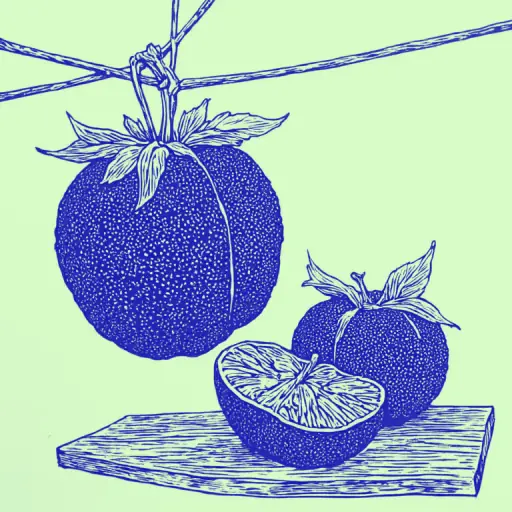
How to Eat Dried Persimmon Properly and Should It Be Washed?
- 8 min read
- 63
Dried persimmon is not just a delicious but also a surprisingly healthy product that can be an excellent alternative to factory sweets. However, like any concentrated product, it requires a proper approach to consumption. Before enjoying the sweetness, it is important to understand several points: how to prepare it to make it safe and maximally beneficial, and how to properly incorporate it into your diet. We will cover all stages—from initial processing to culinary masterpieces—so you can enjoy dried persimmon with pleasure and benefit, without worrying about health risks.
In this guide, we will not only dispel myths about white film and washing rules but also teach you how to balance its caloric content and offer ideas for original dishes. Ready to become a persimmon expert?
Initial Processing: Should Dried Persimmon Be Washed and Cleaned?
When purchasing this exquisite Eastern dessert, we often encounter practical questions about its preparation for serving. Unlike common dried fruits, dried persimmon (or hoshigaki) has a delicate texture and a delicate surface that requires special handling. Before enjoying its honeyed taste, it is important to understand the basic rules of hygiene and serving to preserve maximum benefits and not spoil the fruit's structure.
Should Dried Persimmon Be Washed Before Eating?
Many people believe that dried persimmon fruits are ready to eat straight from the package, but this is a dangerous misconception. It is absolutely necessary to wash dried persimmon before eating.
During the traditional drying process (for example, when making the Eastern delicacy on strings), the fruits hang outdoors for a long time, where dust settles on them. During transportation and packaging, the dried fruits also come into contact with various surfaces.
How to properly prepare the fruit:
- Rinse the persimmon under running warm water.
- If the product was bought in bulk, quickly rinse it with boiling water.
- Pat dry with a paper towel to remove excess moisture.
Can Dried Persimmon Be Eaten With Skin, and How Should It Be Cut?
The skin of dried persimmon can be eaten—it is completely safe and contains beneficial dietary fiber. However, the skin on store-bought fruits can sometimes be excessively hard or treated with preservatives. If the skin seems too tough to you, it can be easily removed with a sharp knife after washing.
To cut this sticky and dense dried fruit beautifully, follow these simple rules:
- Remove the green stem (calyx).
- Use a sharp knife slightly moistened with cold water so the flesh does not stick to the blade.
- Cut the persimmon into thin slices across the grain or into small wedges. This shape is easier to serve with tea or add to dishes.
Appearance Features: White Film and Fruit Hardness
When purchasing or drying persimmon yourself, many people encounter features of its appearance that can raise questions and even concerns. Most often, two factors cause confusion: the dense white film covering the fruits, and the excessive hardness, which makes the dried fruit seem literally "stone-like."
Do not rush to get rid of such a product. These external signs are a natural result of the dehydration process, and each one can be easily understood, restoring the delicacy to an appetizing appearance and ideal texture.
What is the White Film on Dried Persimmon, and Is It Dangerous?
The white film on the surface of dried persimmon often frightens buyers, who mistake it for mold. In reality, it is a natural and completely safe sign of a quality product. During drying, moisture gradually evaporates, and natural sugar (glucose) crystallizes and appears on the skin.
How to distinguish sugar from mold:
- Texture and taste: The sugar film is dry, sweet, and easily wiped off with a finger.
- Appearance: Mold has a fluffy texture, an unpleasant musty smell, and appears in moist patches.
There is no need to scrape off this sweet layer—it confirms the correctness of the natural drying technology.
How to Properly Soften Dry and Hard Persimmon?
If dried persimmon (dried korolek) is overdried and has become too hard, you can restore its pleasant texture using several simple methods:
- Soaking: Pour the fruits into warm water, unsweetened tea, or apple juice for 15–20 minutes. For use in baking, you can soak it in a small amount of aromatic alcohol (rum or cognac).
- Steam Bath: Hold the dried fruits over steam in a colander for 5–7 minutes. They will quickly soften while retaining their shape.
- Express Method: Wrap the persimmon in a damp paper napkin and heat in the microwave for 10–15 seconds.
After this treatment, the dried persimmon fruits will become tender again, and their flavor will be fully revealed.
Healthy Consumption Rules: Norms and Restrictions
Dried persimmon is a true concentration of benefits, but its high nutritional value requires a conscious approach. For this exquisite Eastern dessert to bring only good to the body, it is important to understand the principles of its integration into the daily menu.
Reasonable dosing allows you to enjoy the bright flavor of the dried fruit without risking your figure or health. Let's explore how to properly incorporate this delicacy into your diet and use it as a healthy alternative to usual sweets.
How Much Dried Persimmon Can Be Eaten Daily Without Harm?
Dried persimmon is a concentrated source of sugars and calories (about 275 kcal per 100g). To get the maximum benefit and avoid stomach heaviness or glucose spikes, it is important to moderate intake. The recommended daily norm for an adult is 1–2 fruits (approximately 30–50 grams) per day.
- For those losing weight: it is better to limit intake to 1 piece in the first half of the day.
- For athletes: 2 fruits will be an excellent source of energy before training.
Children under 10 years old should consume this dried fruit with caution (no more than half a fruit), as their sensitive intestines may react to the abundance of dietary fiber.
Dried Persimmon as a Candy Alternative on a Diet
Dried persimmon is an ideal replacement for industrial sweets. Unlike candies containing refined sugar and trans fats, this dried fruit is rich in natural fructose, glucose, and fiber. Dietary fiber slows down sugar absorption, preventing sharp insulin spikes and ensuring a long feeling of fullness.
To trick the receptors and get maximum pleasure while losing weight, cut the dried korolek into thin slices. Slowly chewing one such slice with unsweetened green or herbal tea completely replaces the usual tea time with chocolate, supplying the body with potassium and vitamins instead of "empty" calories.
Culinary Uses: What to Pair It With and What to Cook
Dried persimmon is not just a healthy snack that can replace usual candies, but also a surprisingly versatile culinary ingredient. Thanks to its concentrated sweetness, slight tartness, and fleshy texture, this dried fruit can transform both everyday and festive dishes. In the East, dried korolek has long been valued by chefs for its ability to harmoniously balance flavors.
Let's explore how to properly unlock the gastronomic potential of this product, what ingredients it creates perfect pairings with, and what simple yet exquisite dishes can be made using it in a home kitchen.
What Products Pairs Well with Dried Persimmon?
Dried persimmon is a true gastronomic chameleon. Its deep honeyed taste with a slight tartness is perfectly revealed when combined with the following products:
- Cheeses: soft goat cheese, pungent gorgonzola, brie, or aged parmesan. The contrast between sweet and salty creates an exquisite balance.
- Nuts: walnuts, almonds, cashews, and pecans beautifully enhance the texture of the dried fruit.
- Meat and Poultry: dried duck breast, ham, or roasted turkey. Persimmon complements meat dishes perfectly.
- Spices: cinnamon, ginger, cloves, and star anise.
Such combinations will turn a simple snack into an exquisite restaurant dish.
Simple Recipes: Compotes, Baked Goods, and Eastern Pilaf
Dried persimmon can transform familiar home dishes by adding noble sweetness and a deep fruity aroma:
- Dried Persimmon Compote: Add sliced dried korolek to a pot along with dried apples and rose hips. Simmer for 15 minutes—the drink will be rich, with light caramel notes, and will not require added sugar.
- Aromatic Baked Goods: Crush the dried fruit and add it to the batter for muffins, oatmeal cookies, pies, or homemade syrniki instead of usual raisins.
- Eastern Pilaf: Cut the persimmon into strips and fry it in the zirvak along with carrots, onions, and dried apricots before adding the rice. It will give the dish an exquisite sweet taste and a beautiful golden hue.
Conclusion
So, we have gone from initial processing to culinary masterpieces, proving that dried persimmon is not just a sweet treat, but a true treasure trove of benefits. The main takeaway you should remember is: dried persimmon is a healthy but concentrated food. Therefore, it must be treated with respect and moderation.
Key Rules for Safe Consumption:
- Portion Control: The optimal daily norm is no more than one medium fruit. This will allow you to get the maximum vitamins without causing sharp sugar spikes.
- Preparation: Always prefer pre-processed or fresh dishes over snacks from a package. This guarantees that you are getting the product in the best quality.
- Pairings: Use persimmon as a bright accent in salads, baked goods, or desserts, not as a standalone replacement for a full meal.
Remember that the right combination of knowledge and moderation turns a dried fruit from a simple snack into an element of a healthy and varied diet. Enjoy the taste and benefits while following these simple rules!