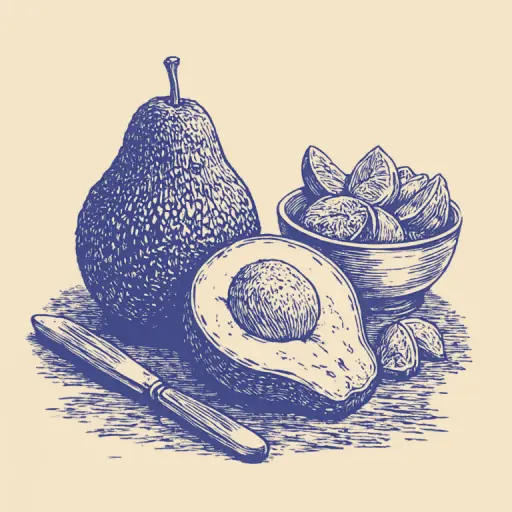
How to Eat Hass Avocado Properly and What to Pair It With?
- 9 min read
- 61
Hass Avocado is a recognized favorite among healthy eating advocates and professional chefs. This unique, buttery fruit, also known as the "dark avocado," stands out from other varieties due to its characteristic bumpy skin and amazing creamy taste with subtle nutty notes.
Unlike common green varieties, a ripe Hass fruit has a delicate texture reminiscent of ripe butter. It is ideal for making hearty avocado toast, smooth guacamole, and fresh salads. In this guide, we will cover all the subtleties of working with this superfood: from choosing it in the store to proper slicing and serving.
Part 1: The Perfect Hass Avocado – From Purchase to Preparation
The journey to a perfect culinary masterpiece with Hass avocado begins long before you pick up a knife. To fully enjoy its famous buttery texture and delicate nutty flavor, it is important to choose the fruit correctly in the store and transport it home with care. In this part, we will cover the professional nuances of selecting and storing this amazing fruit, which will save you from disappointment and help keep every fruit in perfect condition.
1.1. How to Choose a Ripe Hass Avocado (Expert Checklist)
Choosing the perfect ripe Hass fruit is very simple if you follow a professional checklist. Unlike green varieties, this buttery fruit signals its readiness on its own:
- Skin Color: Look for a dark avocado. A ripe Hass has a characteristic dark purple or almost black color. A light green tint indicates that the fruit needs more time to ripen.
- Texture to the Touch: Gently squeeze the fruit in your palm. It should be soft but firm. If the skin easily indents under your finger, the fruit is overripe.
- Stem Test: Gently bend the dry stem at the base. If tender yellowish-green flesh is hidden underneath, the avocado is perfect. A dark brown color under the stem indicates that the fruit has started to spoil internally.
1.2. Storage and Transportation Rules: So the Avocado Doesn't Spoil
Proper avocado storage is the key to keeping it perfect for your culinary masterpieces. Remember that avocado, like many fruits, has a natural ripening cycle that must be taken into account.
How to store so the avocado doesn't spoil:
- Ripening (if the avocado is hard): If you bought a fruit that seems too hard, do not rush to cut it. Leave it at room temperature. To speed up the process, wrap the avocado in a paper bag (or parchment paper) along with a banana or an apple. These fruits release ethylene—a natural gas that accelerates ripening. The process will take 2 to 5 days.
- Storing Ripe Avocado: As soon as the avocado reaches the desired softness, it must be moved to the refrigerator. The cold will slow down the oxidation and spoilage process. Store it in the crisper drawer to keep it fresh longer.
- Transportation Tip: If you are transporting the avocado from afar, do not rush to peel it. It is best to keep it in a cool, dark place to minimize exposure to light and temperature fluctuations.
Important to remember: An avocado that is too soft, bought in the store, may be overripe due to improper storage conditions. Always check the firmness, not just the color.
Part 2: Basic Preparation Techniques: How to Cut and Peel
When you have a perfectly ripe, buttery fruit in your hands, the most critical moment arrives—its preparation. Proper preparation of Hass avocado not only preserves the maximum amount of precious, healthy-fat-rich flesh but also protects you from accidental culinary injuries.
In this section, we will cover the basic techniques for working with the "alligator pear": from safely extracting the large pit to important hygiene and flesh cleaning nuances.
2.1. Step-by-Step Guide: How to Properly Slice Hass Avocado
For safe and aesthetic serving, it is important to know several culinary techniques for Hass avocado. The main rule: always work on a clean, dry surface to avoid contaminating the flesh.
Step-by-step slicing instructions:
- Cutting: Slice the ripe avocado in half lengthwise using a sharp knife. Carefully remove the pit. Tip: To make it easier, you can gently press on the halves near the edges to help the pit separate slightly.
- Flesh Scooping: Use a large kitchen spoon or a specialized spatula. Scoop the flesh along the skin, as if you are "scooping out" an ice cream ball. This is the cleanest and fastest way to get even portions.
- Slicing (for toast/salad): If you need slices, place the flesh on a cutting board and make several horizontal or vertical cuts. If small diced pieces are required, create a "grid."
- Treatment: Immediately after slicing, be sure to drizzle the avocado with lemon juice. This will not only improve the taste but also prevent the flesh from browning quickly.
Important to remember: Never slice the flesh while holding the avocado in your hand—this is dangerous and inefficient. Always work on a stable surface.
2.2. Answers to Basic Questions: Can You Eat the Skin? How Do You Wash It?
Before cutting the dark avocado, it must be washed under warm running water (preferably with a brush). Even if you do not eat the skin, the knife can easily transfer bacteria and dirt from the bumpy surface directly onto the delicate flesh.
Can you eat Hass avocado skin?
No, the thick, rough skin of this variety is absolutely inedible. It is too tough, bitter, and contains the fungicidal toxin persin, which can cause stomach upset. Only the buttery flesh, without the skin and pit, is consumed.
Part 3: Raw Consumption Ideas: From Simple Snack to Dish
Now that your Hass avocado is properly washed, peeled, and sliced, it is time to unlock its magnificent culinary potential. In its raw form, this buttery fruit with a delicate nutty aftertaste shines the brightest. A few simple touches are enough to turn the ripe flesh into an exquisite and healthy snack.
3.1. Classic Pairings: What to Serve with Hass Avocado (Salt, Pepper, Lemon)
The ripe Hass avocado has a pronounced nutty flavor and a delicate texture. To bring out this potential, three basic ingredients are enough:
- Coarse salt (preferably sea salt or pink salt) — enhances the natural buttery quality.
- Freshly ground black pepper — adds a light piquancy and aroma.
- Lemon juice (or lime juice) — provides the necessary acidity that balances the healthy fats and protects the delicate flesh from browning.
Simply drizzle the sliced buttery fruit with juice, season with spices—and a perfect quick snack is ready.
3.2. Popular Meal Preparations: Avocado Toast, Guacamole, and Salads
The buttery flesh of Hass avocado, rich in healthy fats, is the perfect base for quick and healthy dishes:
- Avocado Toast: Mash the ripe fruit with a fork, add lemon juice, salt, and spread the mixture on crispy toast.
- Guacamole: Mash the flesh, mix with tomatoes, cilantro, and lime juice. The nutty flavor of Hass will unfold maximally brightly.
- Avocado Salad: Dice the fruit, mix with cherry tomatoes, cucumber, greens, and dress with olive oil.
Part 4: Benefits and Guidelines: How Much Can You Eat and For What?
The buttery flesh of Hass avocado is not just a sophisticated addition to your breakfast, but a true health concentrate. By understanding how to properly integrate this superfood into your diet, you can extract maximum benefits for your body without harming your figure. Let's explore the unique properties of this dark fruit and how to maintain balance when consuming it.
4.1. Nutritional Value and Benefits: Why is Avocado Good for a Healthy Lifestyle?
Hass avocado flesh is a true superfood for proponents of a healthy lifestyle. Unlike most fruits, this buttery fruit contains almost no sugars, but it is rich in healthy monounsaturated fats (including Omega-9). These support heart and vascular health and improve skin condition.
Furthermore, Hass avocado contains:
- Potassium: It has more potassium than bananas, which helps control blood pressure.
- Fiber: It improves digestion and ensures a long feeling of fullness.
- B, E, C, and K Vitamins: Powerful antioxidants for cell protection.
Thanks to its high nutritional value, this fruit fits perfectly into the keto diet and the concept of proper nutrition.
4.2. Caution: Precautions and Consumption Guidelines
Despite its incredible benefits, it is important to remember that avocado is a dense source of calories and fats. Therefore, like any superfood, its consumption should be moderate and balanced.
Consumption Guidelines:
- Amount: On average, it is recommended for an adult to consume half of a medium avocado (about 100–150 g of flesh) per day. This amount is enough to get the maximum amount of healthy fats, vitamins, and fiber without exceeding the daily calorie limit.
- Frequency: Avocado can be included in the diet daily if you are monitoring your total calorie intake and nutrient balance. However, if you are on a calorie-restricted diet, it is better to eat it every other day.
- Balance: Never replace avocado with other fat sources (such as nuts or olive oil). It should only be part of a complete, varied diet that includes proteins (eggs, legumes, lean meat) and complex carbohydrates (whole-grain bread, cereals).
Precautions:
- Individual Reaction: If you are prone to bloating or excessive gas, start consuming avocado in small portions and monitor your body's reaction. This will help you understand how well your digestive system tolerates its high fiber content.
- Allergen Awareness: Although avocado is considered hypoallergenic, some people may experience a reaction. If you notice any signs of discomfort or rash, it is best to limit consumption.
- Do Not Overindulge: Due to its high caloric content (especially from fats), it is important not to eat large amounts of avocado in one meal to avoid disrupting energy balance and consuming excess calories.
Conclusion: Enjoy the Buttery Taste of Hass Avocado
Enjoying Hass avocado is not just a snack, but a culinary ritual. Remember that this buttery fruit has a unique, slightly nutty flavor that unfolds perfectly when combined with the acidity of lemon, the saltiness of salmon, or the freshness of herbs.
The Main Secret to Enjoyment: Don't be afraid to experiment. Hass avocado is a universal canvas for culinary ideas. Use it as a base for creamy pastes, as a bright accent in salads, or as a perfect, nutritious breakfast element.
Remember Balance: Since avocado is rich in healthy fats and calories, enjoy it mindfully. Savor every bite, remembering that moderation makes it not only delicious but also maximally beneficial for your diet.
Enjoy your meal and bright culinary discoveries!