How to Flush in a Train Toilet: Instructions for Different Car Types
- 8 min read
- 58
Train travel is a comfortable, but sometimes quite "technical" process. One of the most common everyday tasks passengers face is using the toilet. However, unlike at home, toilets on trains can be completely different: from old gravity systems to modern ecological bio-toilets. Understanding how and where flushing occurs is critically important for comfort and compliance with rules. Our goal is to give you a step-by-step, maximally practical guide that will help you use the restroom confidently and hygienically, regardless of which carriage you find yourself in.
In this guide, we will cover all the nuances: how the pedal works in older carriages, where to find the button in a bio-toilet, and why you shouldn't just throw toilet paper away. Knowing these rules will not only save you time but also ensure cleanliness for all passengers.
Types of Toilet Systems in RZD Carriages
When traveling on RZD trains, you may encounter completely different toilet designs. The flushing mechanism directly depends on the year of manufacture and the carriage modification. To avoid confusion during your journey and awkward situations, it is important to understand in advance which system is installed in your train set.
Today, two fundamentally different generations of toilets coexist on the railways, each requiring its own approach to use and adherence to specific hygiene rules.
Old-Style Gravity Toilets
Gravity toilets are a classic, outdated system found in older carriages not equipped with modern bio-toilets. Their operating principle is maximally simple, but also the least hygienic: waste is discharged directly outside the carriage.
How it works:
- Activating the Flush: To flush, you must use a special pedal located near the toilet. Pressing it opens a hatch in the floor.
- Flushing: Water enters the toilet, flushing the contents. Waste and water fall through the hatch, landing on the railway tracks.
- Cleaning: The flushing process is not accompanied by a complex vacuum system but is a direct fall of waste outside.
Important features:
- Sanitary Zone: Due to the direct discharge onto the tracks, these toilets are considered a sanitary zone. This means their use is strictly limited and often prohibited during stops at stations.
- Maintenance: These toilets require regular and thorough cleaning, especially in winter when waste can freeze and clog the system.
- Convenience: Using gravity toilets may be less comfortable due to the primitive design and the direct discharge of waste onto the tracks.
Modern Ecological Bio-Toilets
Modern bio-toilets are ecological and high-tech systems designed for maximum comfort and minimizing environmental impact. Unlike old gravity models, they do not discharge waste onto the rails but use a closed-loop cleaning cycle.
How they work?
Flushing in a bio-toilet occurs not through direct water discharge, but through a special mechanism that may be vacuum-based or use a minimal amount of water. This allows them to be used in various conditions, including long stops at stations.
Flushing instructions:
- Locating the Button: The flush button is usually located on the side wall of the toilet or next to it. It may be red, blue, or green.
- Pressing: Simply press the button. The system will automatically perform the necessary cleaning cycle.
- Important: Remember that bio-toilets are designed for use while moving and under high hygiene conditions. Please do not throw toilet paper or other waste into them, as this disrupts the system's operation and can cause a clog.
Flushing Instructions for Different Toilet Types
Now that we have covered the differences between old gravity and modern bio-toilet systems, it is important to understand exactly how the flushing process works in each. The flush activation mechanism differs radically: from mechanically pressing a pedal to pressing a special button. We will examine step-by-step instructions for each type so you feel confident in any carriage.
In the following sections, we will discuss how to use each system correctly and safely so that your journey is as comfortable and hygienic as possible.
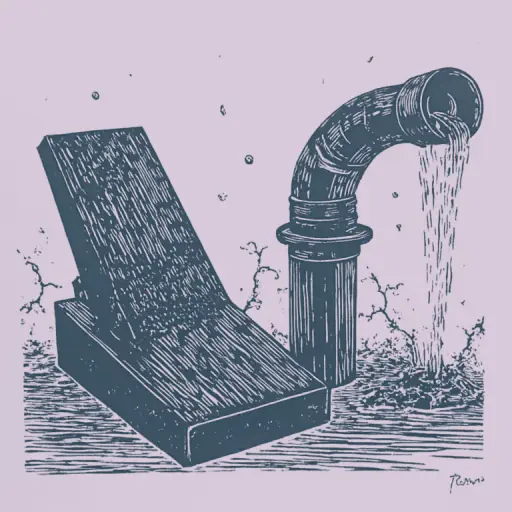
How to Flush in an Old Train with a Pedal
In old-style gravity toilets, flushing is entirely mechanical. To clean the toilet bowl, perform these simple actions:
- Locate the metal pedal at the base of the toilet (it is usually located on the bottom right or left).
- Firmly and forcefully press it with your foot. Upon pressing, the lower flap opens, and a stream of water flushes the contents directly onto the railway tracks.
- Gently release the pedal so that the flap returns to its place and closes the trap pipe.
Keep in mind that the pedal may be stiff, so do not be afraid to apply physical force.
Where the Bio-Toilet Flush Button Is and How to Press It
In modern RZD carriage bio-toilets, an electronic button is used instead of a pedal. It is usually located on the wall to the right or left of the toilet, or directly above it at waist height. The button is often illuminated in green or blue and labeled "Flush."
To activate the flush, be sure to lower the toilet lid and press the button once briefly. After a second, a characteristic loud vacuum sound will be heard—this means the system has worked.
Usage Rules and Restrictions During the Journey
After understanding the buttons and pedals, it is important to remember that comfort during the journey directly depends on following simple rules. Improper use of the toilet in an RZD carriage can lead to serious damage to the entire system or cause inconvenience to fellow passengers. To ensure a pleasant journey without unpleasant surprises, every passenger must know the key restrictions in effect on the railway.
Why You Cannot Throw Toilet Paper in the Bio-Toilet
Unlike conventional home sewage systems, the bio-toilet on an RZD train operates on a vacuum principle. Such a system has extremely narrow connecting pipes and sensitive valves.
Even soft toilet paper, let alone wet wipes and hygiene products, does not have time to dissolve in the minimal volume of flushing water. It instantly wraps around the valve components and blocks the suction pump. As a result, the vacuum toilet malfunctions, and the conductor cannot repair it while traveling. To avoid depriving the entire carriage of amenities, always dispose of paper exclusively in the designated bin.
Sanitary Zones and Flushing Prohibition During Stops
In old RZD carriages (with gravity discharge onto the rails), it is strictly forbidden to use the toilet or flush during stops and while passing through sanitary zones. A sanitary zone is a protected area near stations, large cities, and bodies of water.
The conductor locks these restrooms 15–30 minutes before arrival and unlocks them for the same amount of time after departure. Violating this rule may lead to track contamination. In modern cars with bio-toilets, there are no such restrictions—they can be used throughout the entire journey, including any stops.
Troubleshooting and Hygiene On the Go
Even if you have thoroughly studied the rules and know how your toilet works, unforeseen situations happen. What should you do if the flush button suddenly stops working, or if you simply want to maximize your safety while traveling? In this section, we will cover practical life hacks and hygiene rules that will help you feel confident and comfortable on any trip.
We will look at how to act in case of equipment failure, and we will learn how to flush safely and hygienically, minimizing health risks.
What to Do If the Flush Button Doesn't Work
If the flush button doesn't work, don't panic. First, check for any visible obstructions (such as a large object in the drain). If the problem is not a clog but with the system itself, and you are in a bio-toilet, try pressing it again or wait for the system to reboot. In the case of a mechanical (old) toilet, if the pedal doesn't work, you may need the conductor's assistance. If the toilet is completely out of order and you are on a long journey, use wet wipes and disinfectant to maintain hygiene. Remember that in a critical situation, it is always best to ask the conductor for help or go to the nearest sanitary zone.
How to Flush Safely and Hygienically
For maximum hygiene when flushing, follow two simple rules:
- Close the toilet lid before pressing the button or pedal. During flushing (especially vacuum flushing), water mist containing bacteria spreads in the air up to two meters.
- Never flush while sitting on the toilet—this is unhygienic and unsafe.
Afterward, be sure to wash your hands with soap or treat them with antiseptic, trying not to touch door handles with bare hands.
Conclusion
Remember that knowing the rules for using the toilet is not just a set of instructions, but a guarantee of a comfortable and safe journey. Whether you are using an old gravity toilet or a modern bio-toilet, the main thing is to observe basic hygiene rules and respect others.
Quick Checklist for Travelers:
- Always bring wet wipes: This is a universal tool for personal hygiene, especially if there is no access to water.
- Clarify the toilet type: Before the trip or when boarding, ask the conductor what type of sanitary facility is installed in the car (bio-toilet or old toilet). This will help you plan your actions in advance.
- Observe ecology: Never flush toilet paper into the bio-toilet and do not flush excess water. This will preserve the system and prevent breakdowns.
- Plan your time: Remember the sanitary zones and restrictions at stations. If you need to use the toilet, it is best to do so before departure or during a long stop.
By following these simple recommendations, you will make your train journey as comfortable and pleasant as possible, minimizing any discomfort related to the restrooms.