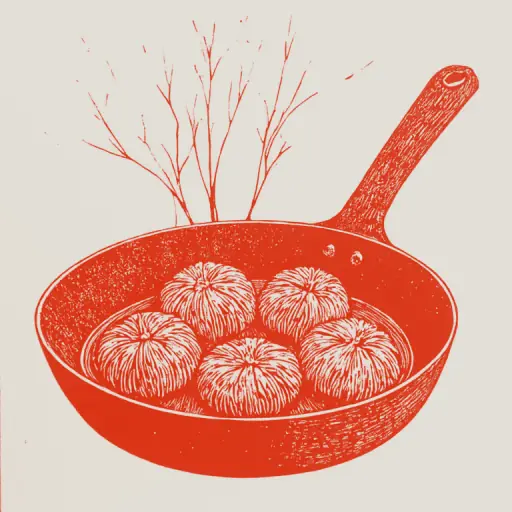
How to Fry Edible Chestnuts in a Pan with a Simple Recipe
- 8 min read
- 72
Roasted chestnuts are not just an exquisite European delicacy associated with the cozy streets of Paris or Rome, but also a surprisingly simple homemade dish. Their sweet, nutty, and sweet potato-like flavor is capable of surprising any gourmet.
In this guide, we will thoroughly examine how to properly roast edible chestnuts in a pan so that they turn out soft and juicy, and we will also share the secrets to their safe preparation and easy peeling.
Preparing the Chestnuts: Selecting the Fruits and Safety During Roasting
Before putting the chestnuts in the pan, it is important to prepare them correctly. This stage determines not only the taste of the finished dish but also your safety in the kitchen. Not all fruits are equally beneficial, and a careless attitude towards their tough shell can lead to a culinary disaster. Let's find out how to avoid unpleasant surprises.
Which Chestnuts Are Edible and How to Choose Them
Only fruits from the sweet chestnut (noble chestnut) are suitable for roasting. Do not confuse them with the bitter fruits of the horse chestnut, which often grows on city streets and is poisonous.
Signs of a high-quality edible chestnut:
- Shape: Slightly flattened, resembling a bulb with a pointed tail.
- Appearance: The shell is dark brown, glossy, and free of cracks or signs of pests.
- Density: The fruits should be heavy and firm. Light chestnuts are usually dried out inside.
Why Make a Cross Cut and How to Avoid Fruit Explosion
A cross cut is the main safety secret when preparing edible chestnuts. The fruits contain moisture, which turns into steam when heated. If the shell remains intact, the pressure inside the nut will rapidly increase, and it will explode right in the pan, scattering dangerous hot shards.
To avoid this:
- Take a sharp knife (a small saw knife or utility knife is best).
- Make a deep cross cut on the flat side of each chestnut.
- Be sure to cut through the hard shell and the inner skin, trying to avoid damaging the flesh itself as much as possible.
This simple step will not only protect your kitchen from a "shelling blast" but also allow you to easily peel the finished nuts after roasting.
What You Will Need for Preparation: Cookware and Ingredients
After the chestnuts have been properly cut and prepared for heat treatment, it is important to take care of the right equipment and accompanying components. The success of this culinary experiment largely depends on the even distribution of heat and the correct moisture balance. Let's look at what cookware will help bring out the flavor of the fruits and what simple ingredients will be needed for classic homemade roasting.
Choosing a Thick-Bottomed Pan for Even Heating
A heavy cast-iron skillet or saucepan with a thick, multi-layered bottom is ideal for roasting chestnuts. Thin-walled cookware heats unevenly: the dense shell will quickly burn, while the tender flesh inside will remain raw.
The thick bottom ensures:
- Even heat distribution, necessary for deep heating of the fruits;
- Stable temperature when adding water in subsequent stages;
- Protection of the cookware — the hard shell of edible chestnuts can easily damage a thin non-stick coating, so sturdy cast iron or stainless steel will be the best choice.
Necessary Ingredients: Oil, Spices, and Water
In addition to the right cookware, you will need simple but important components for the perfect result:
- Water (about 50–70 ml) — the main secret to softness. It creates steam under the lid, which steams the kernels and prevents them from drying out.
- Vegetable oil (1–2 tbsp) — it is best to use refined sunflower or olive oil. It will help achieve a beautiful golden crust.
- Spices — classic coarse salt perfectly enhances the natural sweetness of the fruits. A pinch of rosemary can be added for aroma.
Step-by-Step Process of Roasting Chestnuts in a Pan
Once the cookware is heated and the fruits are cut, the most interesting part begins—the magic of transforming hard nuts into a tender delicacy. The process of roasting chestnuts in a pan requires attention to detail, as the correct temperature regime and moisture determine the final taste. Let's break down step-by-step how to achieve the perfect texture, combining classic roasting with one simple culinary secret.
Roasting over Medium Heat with a Lid
Place the prepared edible chestnuts with cross cuts in a single layer on the preheated, thick-bottomed pan. Optionally, add a little vegetable oil or leave the pan dry.
Be sure to cover the pan with a tight-fitting lid—this will protect you from splatters and possible fruit "shots." Roast the chestnuts over medium heat for 10–15 minutes. Periodically shake the pan without opening the lid so that they heat evenly and the shell begins to crack.
The Secret Stage: Adding Water for Softness and Juiciness
To prevent the edible chestnuts from becoming dry and hard, use a professional secret—steaming. Approximately 10–12 minutes after starting the roasting, when the cross cuts begin to open, carefully pour 50–70 ml of warm water into the pan.
Immediately close the pan tightly with the lid. The water will instantly turn into steam, which will penetrate the fruits. This process will make the starchy flesh tender, crumbly, and juicy, preventing it from drying out. Continue cooking for another 10 minutes until all the moisture has evaporated.
Secrets to Easy Peeling and Serving Rules
When the chestnuts have appetizingly opened in the pan and their sweet, nutty aroma fills the kitchen, the most crucial moment arrives. To fully enjoy this exquisite delicacy, it is important to prepare it correctly for tasting. Hot fruits require delicate handling: you need to quickly free the tender flesh from the hard shell and choose the perfect gastronomic accompaniment to enhance their unique flavor.
How to Easily Peel Roasted Chestnuts While They Are Warm
It is easiest to peel edible chestnuts while they are still hot. Once the fruits cool down, the thin inner skin will adhere tightly to the kernel.
To make the process easier, immediately after roasting, wrap the chestnuts in a clean kitchen towel or thick paper napkins and gently squeeze them with your hands. Leave them like this for 5 minutes—the steam will soften the shell. After this, the shell, thanks to the previously made cross cut, will easily separate with a light press of the fingers.
What to Serve the Finished Dish With: Salt, Oil, and Spices
Roasted chestnuts have a unique sweet and nutty flavor that is easily enhanced by simple additions.
For a classic savory snack, drizzle the hot, peeled fruits with melted butter or olive oil, and then sprinkle with coarse sea salt. Lovers of pungent notes can add:
- freshly ground black pepper;
- minced rosemary or thyme;
- a pinch of dried garlic.
If you prefer a sweet dessert option, serve the chestnuts lightly sprinkled with cinnamon and powdered sugar, or drizzle them with liquid honey or maple syrup.
Alternative Home Cooking Methods
While classic pan-roasting yields an incredibly aromatic dish, modern kitchen appliances offer equally interesting alternatives. If you are short on time or need to prepare a large batch of nuts for a holiday table, other proven methods can help.
Using household appliances significantly simplifies the process. We will cover two popular home methods: ultra-fast microwave cooking and even baking in the oven, both of which help achieve the perfect chestnut texture without extra hassle.
Quick Method: 5-Minute Microwave Baking
If you are short on time, the microwave is the ideal solution. This express method takes only 5 minutes:
- Preparation: Take edible chestnuts with the mandatory cross cut.
- Arrangement: Lay them in a single layer in a microwave-safe dish.
- Adding Water: Pour 2–3 tablespoons of water so the nuts do not dry out.
- Baking: Cook on maximum power (800 W) under a loose lid for 3–5 minutes.
The finished chestnuts will be soft and easy to peel. Although they slightly lack the aroma of the classic method, this is the fastest way.
Even Baking of Chestnuts in the Oven
Baking in the oven is a great way to get aromatic, edible chestnuts with a tender texture. This method ensures even heating of the nuts from all sides.
- Preparation: Preheat the oven to 200–210 °C.
- Arrangement: Place the chestnuts, which have been pre-cut crosswise, on a baking sheet in a single layer, cut-side up. The baking sheet can be lightly brushed with vegetable oil.
- Baking: Bake the nuts for 20–25 minutes. Gently stir them after about 10–12 minutes.
As soon as the shell cracks and the flesh becomes soft—the chestnuts are ready. Immediately wrap them in a clean towel for 5 minutes before peeling.
Conclusion
Preparing edible chestnuts is not just a culinary process; it is an entire ritual that unites tradition and modern cuisine. We have covered all the main methods: from classic pan-roasting with added water to quick microwave baking and aromatic oven baking. Remember that the key to success is proper preparation: the cross cut and roasting only edible varieties.
How should you serve this natural delicacy? The finished chestnuts should be eaten as hot as possible so that the flesh is easy to remove from the shell remnants. They are ideally served as a standalone, hearty snack at a picnic or holiday table. For a more sophisticated dish, feel free to use them as a side dish: sprinkle with salt, mix with roasted hazelnuts, or add to vegetable stew. Try them as a base for a creamy puree—this will give the dish a unique, deep, slightly sweet nutty accent. The main thing is to experiment and enjoy the scent of autumn that unfolds in every nut shell.