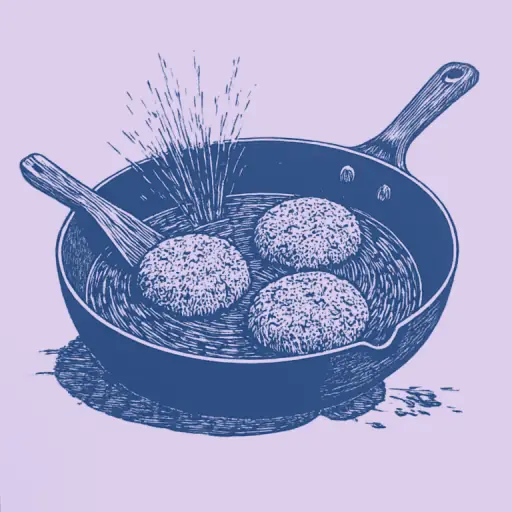
How to Fry Frozen Schnitzel on a Pan Correctly?
- 8 min read
- 59
Frozen semi-finished products are a real salvation for those who value their time but are not ready to give up a hearty home-cooked meal. Schnitzel from the freezer can become a culinary masterpiece if you know the subtleties of its preparation. The main task of the home cook is to achieve an appetizing golden crust while keeping the meat juicy and tender inside.
In this practical guide, we will thoroughly examine how to properly fry frozen schnitzel on a pan. You will learn whether you need to spend time on pre-thawing, how to protect the breading from burning, and which vegetable oil to choose for the perfect result.
Preparation for Frying: Should You Thaw the Semi-Finished Product?
Successful preparation of juicy schnitzel begins long before the oil sizzles in the pan. The right start is half the battle, especially when using frozen semi-finished products. At this stage, every cook inevitably faces two main questions: should I spend time pre-thawing the meat, and in what cookware is it best to cook?
Let's examine these critically important preparation nuances, which directly affect the final juiciness of the dish and the preservation of its crispy breading.
The Thawing Dilemma: Why It's Better to Fry Schnitzel Directly from the Freezer
The biggest mistake when working with frozen semi-finished products is trying to thaw them beforehand. If you leave the schnitzel at room temperature, the ice crystals inside the meat will melt, turning into water. As a result, the breading will become soggy, turn into mush, and stick to the pan, while the meat itself will lose its juiciness and become dry.
Frying directly from the freezer is the key to success. When the icy schnitzel contacts the hot vegetable oil, the breading instantly "sets," sealing all the juices inside. This allows you to achieve that very crispy golden crust on the outside and tender, juicy meat on the inside.
Choosing the Ideal Cookware: Cast Iron Pan vs. Non-Stick
The choice of pan directly affects how crispy the breading will be and whether the meat inside will cook through.
- Cast iron pan — the ideal choice for stable heat. When you place the cold semi-finished product, the heavy cast iron does not cool down instantly. This guarantees that the vegetable oil will continue to sizzle, and the crust will immediately "set," sealing the juices inside.
- Non-stick pan (must have a thick bottom) — a more delicate option. It forgives mistakes in heat regulation and ensures that the breading will not stick to the surface.
For achieving a flawless golden crust, cast iron is better, while for guaranteed protection against sticking, heavy-duty non-stick cookware is recommended.
Step-by-Step Instructions: How to Fry Schnitzel on a Pan Correctly
Having chosen the ideal pan, you can move on to the most critical stage—the actual cooking. Frying frozen schnitzel requires strict adherence to temperature and timing so that the breading turns into a crispy crust, and the meat inside remains juicy and fully cooked. Let's break down this not complicated but attentive process step-by-step, starting with preparing the pan and controlling the heat.
Heating the Vegetable Oil and Preparing for First Contact
To begin, pour vegetable oil into the pan—there should be enough to completely cover the bottom (about 2–3 tablespoons). Heat the pan over medium heat. The oil should be hot, but not smoking. You can check readiness by dropping the tip of a wooden spatula into it or by sprinkling a pinch of breading: if bubbles start to form around it, it's time to proceed.
Carefully place the frozen semi-finished products by moving them "away from you" so that hot oil splashes do not hit your skin. Immediately after contact with the oil, the breading will "set," sealing the juice inside the meat and ensuring a future golden crust.
How Many Minutes to Fry Schnitzel on Medium Heat for Perfect Cooking
For a standard-sized frozen schnitzel, the optimal cooking time on medium heat is 10–12 minutes.
Place the semi-finished product into the well-heated vegetable oil. Fry the first side for 5–6 minutes without a lid. During this time, the breading will set, and an appetizing golden crust will begin to form. Carefully flip the schnitzel with a spatula and fry for another 5–6 minutes on the other side.
If the schnitzel is thick (more than 1.5 cm), after flipping, reduce the heat to minimum and cover the pan with a lid for the last 2–3 minutes so that the meat cooks completely inside while retaining its juiciness.
Secrets to a Perfect Crust and Keeping the Meat Juicy
Cooking schnitzel on time is only half the battle. True culinary skill lies in the details: how to keep the breading crispy and golden without letting it burn, while preserving all the meat juices inside. When we fry the semi-finished product without thawing, the temperature contrast between the icy core and the hot vegetable oil becomes the main challenge.
To prevent the schnitzel from turning into a dry sole with a burnt crust, it is important to master subtle heat control and use kitchen utensils correctly. Let's look at the key techniques that guarantee a flawless result.
How to Protect the Breading from Burning and the Meat from Drying Out
To prevent the breading from burning while keeping the meat inside juicy, follow three golden rules:
- Sufficient amount of oil. The vegetable oil must cover the bottom of the pan by at least 2–3 millimeters. Dry spots will lead to immediate burning of the crumbs.
- Temperature control. Start frying over medium heat. Too high a flame will burn the breading before the center of the semi-finished product heats up.
- Minimum movement. Do not move the schnitzel for the first 3–4 minutes. Let the golden crust set—it will "seal" the juices inside the meat.
Before placing it in, carefully brush off any excess frost from the surface of the schnitzel so that the oil does not splatter and the breading does not get soggy.
Proper Use of the Lid and Temperature Adjustment During Cooking
The biggest mistake when frying a frozen semi-finished product is covering the pan with a lid at the very beginning. The resulting condensation will instantly soften the breading, depriving the dish of its signature crispness.
To ensure the schnitzel cooks through inside and remains crispy on the outside, follow this simple rule:
- Without a lid: Fry the first side over medium heat until golden brown. This seals the juices inside.
- With a lid (with a nuance): After flipping, reduce the heat. Cover the pan with a lid, making sure to leave a small gap for steam to escape, or use a special splatter screen.
Braise the schnitzel under a slightly ajar lid for no more than 3–4 minutes at the very end of the process to ensure the meat is guaranteed to be cooked through and not overcooked.
Alternative Method: Baking Schnitzel in the Oven
Although classic pan-frying guarantees that very crispy crust, the oven offers an excellent alternative. This method will be especially appreciated by those who aim to reduce the amount of fat in their diet or do not want to monitor hot oil splatters on the stove.
Baking allows you to cook the frozen semi-finished product with almost no active involvement from you, while maintaining its juiciness and making the dish lighter. Let's look at why this method deserves attention and how to properly put the schnitzel in the oven.
Baking in the Oven vs. Pan-Frying: Calorie Comparison
The choice between a pan and an oven is not just a matter of convenience, but also of calorie balance. With classic pan-frying, the schnitzel breading acts like a sponge, actively absorbing vegetable oil. To prevent the semi-finished product from burning, a significant amount of oil is required, which increases the calorie content of the finished dish by approximately 100–150 kcal per 100 grams.
Baking in the oven allows you to minimize the use of fats. You will only need to lightly spray the baking sheet or parchment paper. As a result, you get the same juicy meat and crispy crust, but with much less fat content, making this method ideal for health-conscious eaters.
Step-by-Step Recipe for Baking Frozen Schnitzel
No pre-thawing is required to cook juicy schnitzel in the oven. This helps maintain the integrity of the breading and the juiciness of the meat.
- Preheat: Preheat the oven to 200 °C.
- Preparation: Line a baking sheet with parchment paper. Lightly spray it with vegetable oil so that the semi-finished products do not stick.
- Arrangement: Place the frozen schnitzels on the baking sheet. To achieve an appetizing golden crust, lightly spray them from above with oil from a sprayer.
- Baking: Place the baking sheet in the oven. The total cooking time is 20–25 minutes. After 10–12 minutes, carefully flip the schnitzels with a spatula for even cooking.
Let the finished dish "rest" for a couple of minutes before serving.
Conclusion
Cooking frozen schnitzel is a fast and reliable way to get an appetizing, restaurant-quality dish in a home kitchen, provided you strictly follow the basic rules. The main secret to success lies in completely abandoning pre-thawing: send the semi-finished product to the pan directly from the freezer. This approach guarantees that the breading maintains its integrity and the meat juice stays inside.
Choose high-quality cast iron or non-stick cookware with a thick bottom, heat the vegetable oil thoroughly, and maintain a moderate medium heat. For those watching their figure, baking in the oven will be a wonderful alternative to traditional frying. Enjoy your meal and new culinary victories!