How to Greet in Vietnam: Rules and Cultural Nuances for Travelers
- 25 min read
- 68
Vietnam is an amazing country with a rich culture, where daily communication is built on a strict hierarchy, respect for elders, and maintaining 'face' (danh dự). For a traveler, knowing how to greet someone correctly is not just a formality or a courtesy. It is a true cultural code of Vietnam, opening doors to the sincere hospitality of the locals and helping to instantly win over the person you are speaking with.
When you understand the basic etiquette in Vietnam and try to use traditional Vietnamese greeting customs, your reception changes drastically. Locals deeply value it when foreigners show respect for their culture. Even if your pronunciation is far from perfect, the attempt to greet according to the rules shows that you value their traditions.
In this guide, we will thoroughly examine how to communicate with Vietnamese people to avoid awkward situations. You will learn the key rules of conduct in Vietnam, learn how to choose the right words depending on the age of the person you are speaking to, and master the subtleties of non-verbal communication. This simple knowledge will turn your trip into a fascinating and comfortable cultural dialogue.
Verbal Greetings in Vietnamese: How to Speak Correctly
Vietnamese is a tonal and incredibly melodious language, so even a simple greeting sounds like a little song here. For a traveler, mastering verbal etiquette is not just a way to show politeness, but a real cultural cipher. Locals instantly read your attitude towards their traditions by how you pronounce the first words when meeting someone.
Unlike European languages, where learning one universal word is enough, Vietnamese etiquette requires attention to detail: the age of the interlocutor, their social status, and the context of the conversation. Let's break down the basic speech formulas that will help you sound natural and respectful in any situation.
The Universal Greeting “Xin chào” and Its Pronunciation Nuances
The very first word you hear stepping off the plane in Hanoi or Ho Chi Minh City is “Xin chào” (pronounced approximately as [Sin chao]). This is a universal greeting, analogous to our “Hello.” It is absolutely safe to use in any situation: whether meeting a five-star hotel administrator, buying fruit at a noisy market, or talking to a taxi driver.
However, Vietnamese is a tonal language, and even in such a simple word, there are pronunciation nuances:
- Xin (expresses politeness) is pronounced with a level, mid-tone, without fluctuations in voice pitch.
- Chào (the act of “greeting”) requires a falling tone. When pronouncing it, you need to smoothly lower your voice, as if you are slightly sighing: “tya-a-o”.
Although friendly Vietnamese people will always forgive a foreigner's accent, correct intonation will immediately set you apart and show respect for the culture. It is worth remembering that locals rarely use “Xin chào” among themselves in daily life, as it sounds somewhat formal. Nevertheless, for a traveler, it is the ideal and safest way to start a dialogue.
The Complex System of Personal Pronouns (Anh, Chi, Em, Ong, Ba) When Addressing Someone
Vietnamese does not have the neutral pronouns “you” or “sir/madam” that we are used to. Instead, it uses a flexible system of kinship terms that reflects the age, gender, and social status of the speakers. To greet someone as politely as possible, you must add the correct form of address to the word Chào (to greet).
Here are the basic pronouns that will help you navigate:
| Pronoun | Literal Meaning | Who to Address | Greeting Example |
|---|---|---|---|
| Anh (Ань) | Older brother | Men your age or slightly older | Chào anh |
| Chị (Ти) | Older sister | Women your age or slightly older | Chào chị |
| Em (Эм) | Younger brother/sister | Those noticeably younger than you (of any gender) | Chào em |
| Ông (Онг) | Grandfather | Elderly men, expresses reverence | Chào ông |
| Bà (Ба) | Grandmother | Elderly women, expresses reverence | Chào bà |
It is interesting that your own “I” in the dialogue also changes: if you are addressing an older man (Anh), you automatically refer to yourself as younger (Em). If you are unsure of the person's age, it is better to flatter them and use a more respectful form of address. This demonstrates your understanding of Vietnamese communication etiquette and will instantly win the person over.
How to Politely Ask for Someone's Name and Introduce Yourself in Vietnamese
Knowing which personal pronoun is appropriate for your interlocutor, you can easily take the next step—asking for their name. In Vietnam, this ritual is extremely important because it helps to firmly establish the correct status of the interaction.
To politely ask for a name, use the simple formula: [Pronoun] + tên là gì? (pronounced as “ten la gi?” in the north or “ten la vi?” in the south):
- Addressing a man (peer or slightly older): Anh tên là gì? (Anh ten la gi?)
- Addressing a woman (peer or slightly older): Chị tên là gì? (Chi ten la gi?)
- Addressing someone younger than you: Em tên là gì? (Em ten la gi?)
To introduce yourself in response, use the construction: Tôi tên là [Your Name] (Toi ten la...). The word Tôi is the neutral “I.” If you want to sound even more polite and respectful when speaking to an elder, replace Tôi with the pronoun Em (younger): Em tên là... (Em ten la...).
Conclude the introduction with a beautiful phrase of politeness: Rất vui được gặp... (Rat vui duoc gap...) followed by the interlocutor's pronoun. For example: Rất vui được gặp anh (Rat vui duoc gap anh) — “Very pleased to meet you.”
Body Language and Gestures Upon Meeting: Bows, Hands, and Physical Contact
In Vietnam, non-verbal communication plays no less of a role than correctly spoken words. Gestures, facial expressions, and body posture are instantly read by locals and can either win the interlocutor over or unintentionally offend them. Vietnamese culture is traditionally reserved, so physical contact is strictly regulated by age-old rules of propriety.
To feel confident during a first meeting, it is important to master the basic plasticity of local etiquette. Let's break down how to correctly use body language to demonstrate sincere respect and avoid awkward situations.
The Traditional Bow: When, How Deep, and To Whom to Bow
The traditional bow in Vietnam is not just a gesture of politeness, but a reflection of respect for the age, social status, and spirituality of the person you are meeting. Unlike some other Asian countries, deep waist bows are not required at every meeting, but knowing the basic rules will help you show respect for local traditions.
How to bow correctly:
- Slight Head Nod: Used when greeting peers or people slightly older than you in daily life. A slight nod of the head is sufficient, while maintaining eye contact and a smile.
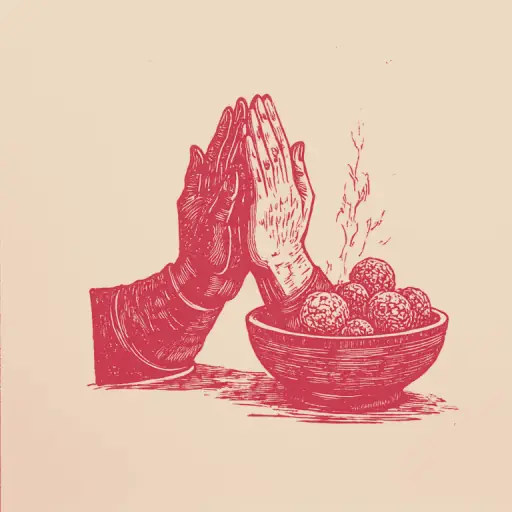
- Bowing with Clasped Palms (chắp tay): The palms are brought together at chest level (similar to a prayer gesture), followed by a gentle lean of the torso by about 15–30 degrees.
To Whom and When is the Bow Directed:
- Elderly People and Those of Higher Status: This expresses respect for their life experience. The older the person, the more pronounced and unhurried your bow should be.
- Buddhist Monks and in Temples: When greeting a monk or entering a sacred space in a pagoda, always clasp your hands at your chest and give a respectful bow. This is an essential element of religious etiquette.
- Officials: At formal or business events, this gesture will emphasize your knowledge of Vietnamese cultural codes.
Remember that an overly deep bow in daily life (for example, when interacting with a market vendor or a taxi driver) can look unnatural. Maintain moderation and sincerity.
Handshakes in Vietnam: Etiquette Specifics for Men and Women
Unlike bowing, the handshake is a more common and modern form of greeting, especially in business settings and among young people. However, there are clear cultural rules here as well that must be observed to avoid appearing impolite or overly familiar.
For Men:
The handshake between men is the most expected and natural gesture. It should be confident, but not too forceful. It is important that the handshake is accompanied by polite eye contact and a smile. If you meet a group of men, always begin the greeting with the oldest or the person of the highest status. This is a fundamental sign of respect that immediately sets the right tone for your interaction.
For Women:
The situation with handshakes for women is more delicate. Vietnamese culture is traditionally more reserved regarding physical contact between genders. Therefore, if you meet a woman, always wait for her to extend her hand to you. The initiative must come from her. If she does not offer her hand, it is better to limit yourself to a polite, slightly inclined head bow or simply a smile accompanied by the phrase "Xin chào." Attempting to initiate a handshake with a woman may be perceived as an invasion of personal space.
General Etiquette Rules:
- Contact: The handshake should be brief. Do not prolong it to avoid creating a sense of excessive familiarity.
- Group Meetings: When meeting a group of people, always pay attention to the hierarchy. Start with the oldest or the highest-ranking person. This is a universal sign of respect that works in both business and personal life.
- Avoid: Do not try to hug or pat someone on the shoulder, even if you know them well. These gestures are too intimate for a first meeting and can be perceived as an invasion of personal space.
Taboos in Physical Contact: Hugs, Touching the Head, and Forbidden Gestures
Physical contact is a fine line between showing warmth and violating personal space. Vietnamese culture values restraint, and this rule extends to gestures. Before hugging or touching anyone, always assess the context and the degree of familiarity.
What Absolutely Not to Do:
- Touching the Head: The head is considered the most sacred part of the body. It is strictly forbidden to touch anyone's head, even a child. This can be perceived as deep disrespect.
- Hugs and Kisses: Although hugs and cheek kisses are common greetings in Western cultures, they are not customary in most social situations in Vietnam. Reserve this for very close friends, and even then, be cautious. It is better to limit yourself to a light bow or a nod.
- Feet and Soles: Feet are considered the "dirtiest" part of the body. Never point the soles of your shoes toward a person, an altar, or a statue. Also, do not sit with your legs propped up on a table or on another person.
- Hand Gestures: Avoid excessive gesturing, especially when speaking with strangers. This can be interpreted as emotional excess or even aggression.
Remember the "Comfort Zone": Overall, Vietnamese etiquette prefers distance. If you are in doubt, the best approach is to limit yourself to a polite nod of the head and a smile. This is a universal, safe, and respectful gesture that will always be appreciated.
Greeting Rules Depending on Social Status and Age
Understanding body language is only half the battle. In Vietnam, where society has been built on Confucian values for centuries, a strict social hierarchy plays a key role. How you greet a person directly depends on their age, social status, and the degree of your acquaintance. A mistake in choosing the tone of communication can be perceived as disrespect, whereas strictly following etiquette instantly wins over local residents.
Depending on whether the person before you is a venerable elder, a business partner, or a young peer, the rules of the game will change drastically. Let's break down how to adapt your greeting to different social contexts to always appear polite and appropriate.
How to Greet Elders and Elderly People Properly and Respectfully
Vietnamese culture is deeply hierarchical, and respect for elders is not just politeness, but a fundamental principle. Greeting the elderly requires special attention to detail so as not to appear familiar or dismissive. The main rule: always show an abundance of respect.
How to Greet the Elderly:
- Address: Never address an elderly person by their first name. Use respectful kinship terms that emphasize their status. If you are unsure of the exact term, it is better to use the most respectful address possible to show your deference.
- Bowing and Gestures: When meeting a very elderly person (especially members of a family or community), a deep but restrained bow is appropriate. This gesture signifies recognition of their life experience and wisdom. The bow should be an accompanying gesture, not just a "hello."
- Body Language: When speaking with elderly people, try to speak in a quiet, measured tone. Avoid loud conversations, sharp gestures, and direct, intense eye contact, as this can be perceived as a challenge or disrespect. Remember the concept of saving "face" (danh du)—never put them in an awkward position, even if they put themselves there.
- Help and Attention: The best way to show respect is not just through words, but through actions. Offer help (such as crossing the street or carrying things) or simply listen attentively to their stories. This is far more valuable than any verbal compliment.
Business Etiquette Upon Meeting: Rules of Handshaking and Business Card Exchange
In the Vietnamese business environment, a greeting is not merely an exchange of phrases; it is a carefully constructed ritual that reflects hierarchy and mutual respect. A reserved yet confident etiquette dominates here, which differs significantly from Western practices.
1. The Art of the Handshake:
Unlike the relaxed handshake that might be accepted in the West, Vietnamese business etiquette demands attention to detail. Men and women may shake hands, but the gesture itself must be moderate and brief. It is important to remember that Vietnamese culture values not only the gesture itself but also how it is accompanied. If you are meeting a high-ranking individual, observe their initiative—they will most likely start first.
Special Gesture: When meeting a partner, especially if the relationship is becoming warmer, a businessman may place his left hand over his right. This is not just a gesture, but a non-verbal declaration of high respect and a desire to establish long-term cooperation. This is a sign worth remembering.
2. Business Card Exchange (Business Card Exchange):
This is one of the most important and formal rituals. A Vietnamese person's business card is an extension of their personality and status. Never rush or appear careless.
How to exchange correctly:
- Preparation: Always carry a supply of business cards (preferably with key phrases translated into Vietnamese).
- Presenting: Present the card with both hands, slightly bowing as a sign of respect. This demonstrates that you value the status of the person you are addressing.
- Receiving: Accept the card with both hands as well. Most importantly—do not immediately put it in your pocket. Be sure to take a few seconds to read the person's name and title, and then place the card in front of you on the table. This shows that you are attentive and respect their status.
3. Address and Hierarchy:
Remember that in the business environment, status and age determine the order of greeting. Always address the most senior or oldest person in the group first. This is a fundamental principle of respect that should guide your behavior at every meeting.
Informal and Friendly Greetings Among Vietnamese Youth
In contrast to strict business etiquette, communication among Vietnamese youth is filled with lightness and openness to Western trends. If you are interacting with peers or young people in an informal setting, traditional hierarchical rules temporarily take a backseat.
Instead of the formal “Xin chào,” young Vietnamese often use the simple and energetic “Hế lô” (a calque from the English "Hello") or the short exclamation “Ê!” (analogous to our "Hey!"), followed by the friend's name.
Gestures in youth settings have also become much freer:
- A light wave or a friendly nod completely replaces bows.
- High-fives and light fist bumps are popular among guys.
- The "V" sign (peace) is often used not only for photos but also as a greeting sign upon meeting.
Important tip for travelers: Although close friends in Vietnam use familiar pronouns “mày” (you) and “tao” (I), foreigners should avoid using them—it can sound rude. Maintain a friendly tone and use names. And if you are invited to a friendly gathering, the best way to greet the group is by participating in a traditional loud toast: “Một, hai, ba, dô!” (One, two, three, cheers!).
Cultural Nuances of Communication: Preserving "Face" and Emotion
The transition from casual youth interaction to deeper layers of Vietnamese mentality opens up a subtle world of Eastern psychology for the traveler. Vietnamese society operates based on unwritten but strict ethical rules, where every greeting, glance, and gesture is assessed through the prism of mutual respect. For your interaction with locals to be truly harmonious, simply learning a few phrases is not enough.
At the core of any interaction in Vietnam lie invisible cultural regulators that define the boundaries of what is permissible. The way you carry yourself in the first seconds of a meeting transmits your attitude toward the other person and their culture. Understanding these internal mechanisms will help you correctly interpret the reactions of Vietnamese people and avoid awkward misunderstandings when meeting someone.
The Concept of Saving Face (danh du) and Its Influence on First Impressions
Vietnamese culture is built on principles of hierarchy, respect for elders, and, most importantly, the preservation of "face" (danh dự). This is not just a set of rules, but an unwritten social contract that determines how and when you can interact with people so that neither party feels humiliated or put in an awkward position.
What does "saving face" mean in practice?
It means that you must avoid any situation where your interlocutor might be publicly humiliated, criticized, or put in an embarrassing position. If you notice that a person is embarrassed or upset because of your comment, it is best not to insist and to change the subject. This is a display of empathy that is valued above perfect language knowledge.
Practical advice for travelers:
- Avoid public criticism: Never argue loudly and emotionally with a vendor, driver, or waiter. If something is wrong, it is better to approach the person privately and politely point out the issue. This saves face for both parties.
- Do not question authority: Even if you believe the information provided to you (for example, about a route or price) is incorrect, do not challenge it directly. It is better to ask a clarifying, gentle question that allows the interlocutor to discover the error themselves.
- Acknowledge merits: If you have been provided with a service, even if it was paid for, be sure to thank them. Recognizing a person's effort is a powerful way to maintain their "face" and strengthen a positive connection.
Remember: your main goal is not just to learn the rules, but to feel the rhythm of communication. Restraint, gentleness, and respect for the feelings of others—this is what will truly open the heart of Vietnam.
Emotional Control: Why Loud Voices and Excessive Gesturing Are Unacceptable
In Vietnamese culture, outward calmness and self-control are equated with virtue. A loud voice, boisterous gesturing, and excessive emotionality during a meeting or conversation are perceived by locals as a sign of poor upbringing, aggression, or a complete loss of self-control. If you want to make a good impression from the first seconds of interaction, your cultural code must switch to a mode of maximum restraint.
Raising your voice in Vietnam instantly destroys trust. Even if you are trying to express joy at meeting someone, excessive noise can embarrass the other person.
Here are some key rules of non-verbal etiquette in Vietnam:
- Tone of Voice: Speak calmly, softly, and in lower tones. Even if you are trying to speak over street noise, do not raise your voice to shouting. Loud speech disrupts communication harmony.
- Facial Expressions: A sincere, gentle smile is the best communication tool. However, avoid overly boisterous, loud laughter when first meeting someone.
- Gestures: Keep your hands relaxed. Waving hands, active gesturing toward a person, or patting someone on the shoulder are unacceptable. A special taboo is pointing at a person with a finger; if you need to draw attention to someone, use an open palm.
Remember: restraint in expressing emotions in Vietnam is not coldness, but the highest form of respect for your interlocutor's personal space and peace of mind.
Awkward Questions About Age and Family During Introductions as a Sign of Politeness
Barely having exchanged greetings, you might hear questions from a Vietnamese interlocutor that would be considered extremely tactless in Western culture: “How old are you?”, “Are you married?”, “Why don't you have children?” or “What is your salary?”
Do not rush to take offense or withdraw—in Vietnam, this is not idle curiosity or an attempt to violate personal boundaries, but the highest expression of politeness and friendliness. There are two important reasons for such questioning:
- Determining Social Status. Vietnamese etiquette requires precise selection of personal pronouns (who is the 'older brother' Anh, and who is the 'younger sister' Em). Without knowing your age, the interlocutor cannot address you respectfully.
- Finding Common Ground. Questions about family and children here replace the classic small talk about the weather. For locals, it is a way to 'build bridges,' show genuine interest in your life, and create a trusting atmosphere.
How the Traveler Should Respond:
- Respond with a smile. A benevolent tone and a gentle smile are more important than absolute factual accuracy.
- Deflect politely. If a question about income or private life makes you uncomfortable, it is better to joke or give a general answer (e.g., “It’s enough for traveling”).
- Ask a reciprocal question. Vietnamese people are happy to share stories about their children and relatives, which will instantly strengthen your connection.
Practical Guide for the Traveler: Greetings in Different Situations
Theoretical knowledge of Vietnamese etiquette only gains true value when you begin applying it in practice. In real travel, you will have to switch between completely different social contexts every minute. One thing is ordering a bowl of pho at a noisy street market, and quite another is stepping into the threshold of an ancient Buddhist pagoda or checking into a hotel.
To feel confident in any setting, it is important to understand practical communication scenarios. Below, we will examine specific action algorithms for typical tourist situations, including visiting temples and rules of conduct in the service industry, and we will prepare an action plan in case of an etiquette mistake.
Greeting in the Service Industry: Hotels, Taxis, Markets, and Restaurants
In the service industry (hotels, taxis, markets, restaurants), the greeting should be as functional, polite, and unobtrusive as possible. Here, what matters is not so much a complex cultural ceremony as demonstrating respect and readiness to interact.
In Hotels and Restaurants (Hospitality Sector):
- Staff: A simple but sincere “Xin chào” is sufficient. If you are addressing an employee who clearly speaks English, use English. A smile and eye contact are your main tools. Do not expect the staff to know all the nuances of etiquette; politeness is enough.
- Guests: When meeting other guests or visitors, a nod and a smile are enough. Overly elaborate greetings can seem ridiculous.
In Taxis and Markets (Transport and Trade):
- Taxis: When getting in, a nod to the driver and saying “Xin chào” or simply pointing to the destination is enough. There is no need to waste time on a complex exchange of phrases. The main thing is to be decisive and polite. If you use apps (Grab, Gojek), a simple confirmation of the order and a polite “Thank you” at the end of the ride is ideal etiquette.
- In Markets: Here, the greeting is often replaced by non-verbal contact. Make eye contact with the vendor, smile, and say “Xin chào.” If you are buying something from a street vendor, do not start the conversation with long speeches; it is better to get straight to the point by asking about the price or availability of the item. This shows that you value their time and do not want to distract the vendor.
General Rules for All Sectors:
- Smile and Nod: This is the universal 'cultural code' of Vietnam. The smile must be sincere, and the nod must be gentle yet confident. It replaces both a bow and a handshake in everyday situations.
- Body Language: Keep your hands by your sides. Avoid gestures that might be perceived as a demand or a finger point. This is especially important when interacting with vendors and service personnel.
Visiting Buddhist Temples: Rules for Greeting Monks and Devotees
The transition from bustling markets and hotels to the silence of Buddhist pagodas requires an immediate shift in behavioral register. In Vietnamese temples, a greeting is not just a formality, but an expression of spiritual respect and recognition of the sacredness of the place.
The main way to greet monks and devotees is with the traditional gesture “Chắp tay” (clasped hands). Bring your palms together at chest level with fingers pointing up, mimicking an unopened lotus bud, and give a light, smooth bow. This gesture expresses deep reverence. While doing this, you can quietly say the Buddhist greeting: “Nam mô A Di Đà Phật” (Nam Mo A Di Da Phật).
When interacting with monks, it is important to observe strict etiquette rules:
- Avoid physical contact. Women are strictly forbidden from touching male monks or handing them items directly from hand to hand (the item should be placed on a table or a special tray). Men should also refrain from initiating handshakes.
- Observe hierarchy of levels. Your head during greeting and conversation must not be higher than the monk's head. If the cleric is seated, you should kneel or perform a half-bow.
- Body orientation. Never point your feet toward monks or Buddha statues—this is considered the height of disrespect. When sitting, tuck your legs underneath you.
When greeting ordinary worshippers in a temple, a gentle smile and a slight nod of the head with palms clasped at the chest are sufficient. Remember that silence and restraint are the best companions in the sacred places of Vietnam.
Step-by-Step Self-Control Checklist: What to Do If You Make an Etiquette Mistake
Ignorance of cultural rules is the most common cause of awkwardness. But don't panic: even if you make an etiquette mistake, the main thing is your sincere desire to respect the culture. Vietnamese people value composure and the ability to apologize. Here are some tips on how to "save" the situation without losing face, either for yourself or your interlocutor.
1. Acknowledge the mistake with a smile. If you accidentally break a rule (for example, touching someone's head or laughing too loudly), do not try to justify yourself with long explanations. A simple, sincere apology is enough: "Xin lỗi." A smile and a composed tone will soften any awkward moment.
2. Pause and observe. If you are unsure how to greet someone (especially in an unfamiliar setting), pause. Watch how other people behave in that situation. This is the best way to "read" the cultural code of the moment.
3. Use a universal gesture. If you are lost in etiquette, revert to basic, safe gestures: a slight bow and calm, respectful eye contact (not direct, but rather directed toward the chest or shoulders). This will always be perceived as a sign of respect.
What to do if you are "caught off guard"?
- If you don't know how to address a person of status: Use the most respectful form of address possible (e.g., "Mr./Ms." or the appropriate title based on age), even if it seems excessive. It is better to be overly respectful than insufficiently so.
- If you are unsure about handshake rules: Wait for your interlocutor to initiate. If they extend their hand, return the handshake, but do not hold it for too long. If they simply nod, a slight bow is sufficient.
- If you accidentally invade personal space: Take a step back, slightly tilt your head, and repeat your apology. This shows that you realize your mistake and respect the other person's boundaries.
Remember: Vietnamese people are much more tolerant of mistakes than you might think. The main thing is your intention to be polite and respectful.
Conclusion: Openness and respect as the main guarantee for a successful trip
Vietnam is a country where culture and traditions communicate not only through words but also through an invisible cultural code. Remember that your trip is not just about sightseeing, but about immersing yourself in a living, multi-layered culture. Therefore, when you leave the zone of tourist comfort, always remember the two main principles: openness and respect.
Openness means being ready to learn and accept cultural differences. Do not be afraid to make mistakes—it is part of the process. If you make a mistake in a gesture or a phrase, the main thing is a sincere apology and a smile. This will show that you are trying, and Vietnamese people will value your effort much more than perfect pronunciation. Attempting to speak Vietnamese, even with mistakes, will always be perceived as a sign of deep respect.
Respect is the cornerstone of any interaction. It is shown not only by correctly saying "Xin chào" but also by paying attention to the context: to age, status, and place (whether it is a temple or a business meeting). Always observe how the locals behave and try to imitate their manners. This is the most reliable etiquette compass.
Remember that Vietnamese people value not only perfect etiquette but also sincerity. Your friendliness, your smile, and your willingness to engage in dialogue, even if it consists of gestures and smiles, will open doors to the heart of this amazing country. Make these cultural nuances part of your journey, and it will become not just a vacation, but a real, unforgettable adventure.