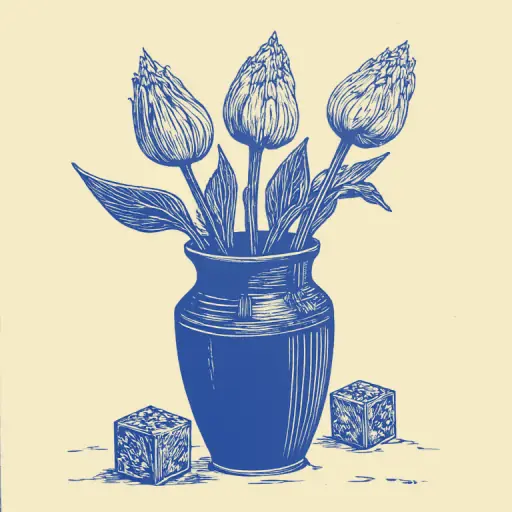
How to Keep Cut Tulips Fresh Until the Holiday So They Don't Wilt Early
- 14 min read
- 59
Spring is always associated with delicate tulips, but these early bloomers are known for their capricious nature. It often happens: you decide to prepare for a celebration in advance, buy a luxurious bouquet a couple of days before the event, and by the time it's presented, the buds have already fully opened or wilted. Familiar situation? In fact, keeping tulips fresh indoors is quite achievable if you know the professional secrets of florists.
There are two main methods for flower preservation: the classic wet method (in ice water) and the professional dry method (in the refrigerator without moisture access). Proper preparation, including timely stem trimming and strict temperature control, can extend the bouquet's life by a week or even longer. In this practical guide, we will detail how to preserve the freshness of tulips, avoid frustrating mistakes, and, if necessary, quickly revive wilted flowers so that your gift looks impeccable.
Initial Tulip Preparation Immediately After Purchase
As soon as you bring the tulips home, the most critical stage begins. These delicate spring flowers are extremely sensitive to temperature fluctuations and moisture loss during transport. To prevent the bouquet from wilting in the first day, you cannot simply place it in the first available container with tap water. The initial actions after purchase determine whether the bouquet will last a couple of days or remain fresh for a week or longer.
The correct start minimizes stress on the plants and initiates the process of gentle 'acclimatization.' To do this, you need to pay attention to two key steps: proper cleaning and trimming of the stems, as well as creating an optimal water environment in a suitable vase.
Proper Underwater Stem Trimming and Removal of Lower Leaves
The first thing to do after bringing the tulips home is to properly prepare their vascular tissue. The main secret of professional florists is cutting underwater.
When you cut stems in the air, microscopic oxygen bubbles instantly clog the delicate flower capillaries, preventing normal moisture flow. To avoid this, follow this simple instruction:
- Submerge the ends of the stems in a deep bowl or basin filled with clean, cold water.
- Use a sharp utility knife or secateurs. Ordinary scissors cannot be used—they crush the stem and block the vascular channels.
- Make a clean cut, shortening the plant by 1–2 cm. For tulips, a straight cut is preferred, as a diagonal cut on a soft stem might become matted under the weight of the flower at the bottom of the vase.
The next mandatory step is removing the lower leaves. Completely tear off all greenery that falls below the water level in the vase. Foliage in water quickly rots, promoting bacterial growth, which causes the buds to wilt. Furthermore, removing excess leaves reduces moisture evaporation, directing all the plant's energy toward nourishing the bud.
Choosing the Ideal Vase and Preparing Ice Water
After the stems are prepared, it is critically important to choose the right 'home' for the flowers and prepare the water for them.
Vase Selection
Tulips continue to grow even when cut, and their stems easily bend under the weight of the blooms.
- Shape and Height: Choose a tall vase with a straight neck that will support the stems for at least half or two-thirds of their length, preventing them from drooping.
- Material: Prefer heavy ceramic or thick glass—a light plastic container may tip over under the weight of the water-filled flowers.
- Cleanliness: Thoroughly wash the vase with soap before use. Bacteria on the container walls are the main enemy of cut flowers.
Preparing Ice Water
Tulips are spring bloomers; they love the cold. Warm water will cause the buds to open too quickly.
- Temperature: The ideal water temperature is +3...+5 °C. Use settled, cold water.
- Cooling: To maintain the required temperature, add ice cubes to the vase.
- Water Level: Pour water only up to 6–7 cm from the bottom. Tulips drink very actively, but deep submersion of the stem in water promotes rapid rotting. It is better to top up with fresh ice water daily.
Wet Storage Method (Classic Home Method)
Once the ideal vase is chosen and the ice water is prepared, the most critical stage begins—classic wet storage. This traditional home method is ideal for those planning to present the bouquet within the next few days and want the buds to remain firm, bright, and closed. The wet method allows the flowers to gradually adapt to the home environment while maintaining the natural turgidity of the stems and the juiciness of the leaves.
However, simply putting tulips in water is not enough. To prevent the premature blooming of delicate buds and to stop bacterial growth in the vase, it is necessary to create a special microclimate for the flowers and correctly adjust the composition of the nutrient medium.
Temperature Regime and Choosing the Coolest Spot in the House
Tulips are extremely cold-loving plants. To slow down their development and prevent premature blooming, the ideal temperature is considered to be in the range of +2 to +8 °C. In normal room conditions at +20 °C or higher, the flower's life processes accelerate, and it wilts within a few days.
For proper bouquet preservation, choose one of the following places in the house:
- Enclosed balcony or loggia. This is the best place if the temperature there does not drop below +1 °C. In case of nightly frost, the flowers must be brought indoors.
- North or east-facing windowsill. There is no direct sunlight here. Be sure to block the radiator or shield the vase from warm air with a thick curtain.
- Hallway or cool corridor. These areas usually lack radiators and maintain a stable coolness.
Expert Tip: At night, move the vase to the floor by the balcony door or into the bathroom—the air there is always cooler and fresher.
What to Add to the Water: Using Chrysal and Folk Remedies to Slow Blooming
To prevent tulips from blooming too early and to keep them fresh, the regular water must be prepared correctly.
Professional Products:
The best choice is a specialized fertilizer for cut flowers, such as Chrysal (Chrysal). It contains carbohydrates to nourish the buds and bactericidal substances that prevent the water from becoming acidic. It is enough to dissolve one sachet in the ice water according to the instructions.
Home Remedies:
If professional products are unavailable, use proven home alternatives:
- Aspirin or activated charcoal: 1 tablet per 1 liter of water. They effectively disinfect the medium and prevent stem rot.
- Citric acid: A pinch (about 0.5 g per liter). Tulips prefer a slightly acidic environment, which restrains the rapid opening of buds.
- Sugar: 1 teaspoon per liter. It provides the flowers with necessary energy, but it must only be added with aspirin to prevent rapid bacterial multiplication.
Dry Storage in the Refrigerator (Professional Method Without Water)
While the classic moist method is excellent for preserving a bouquet that has already been gifted, professional florists use a completely different approach for long-term flower storage. Dry storage in a standard household refrigerator allows you to literally "pause" the life processes of tulips for a period ranging from several days to two weeks. Without a drop of water, in a state of artificial anabiosis, the buds will not open and will not lose their pristine freshness.
This method is indispensable if you purchased the flowers long before the holiday and want to present them in perfect condition, as if they were just cut. Let's explore how to properly prepare tulips for this "hibernation" and what nuances will help prevent their spoilage.
How to Properly Wrap Tulips in Paper or Newspaper
Properly packaging the flowers is crucial for successful dry storage. The paper will protect the delicate buds from drying out, maintain the shape of the stems, and prevent condensation, which can cause rot.
Step-by-step packaging instructions:
- Sorting. Form small bunches of 10–20 tulips. Level the flower heads so they do not deform each other.
- Preparation. Ensure the plants are completely dry. Remove lower leaves if they are too wet or damaged.
- Material Selection. Use thick, uncolored paper, kraft paper, or regular newspaper. Polyethylene bags are strictly forbidden—the flowers will quickly "suffocate" in the trapped moisture.
- Wrapping. Tightly wrap the bouquet in paper into a cone or roll, completely covering the buds but leaving the ends of the stems free at the bottom. The wrapping must be firm enough so that the stems do not bend.
- Securing. Fasten the bundle with a rubber band or twine, avoiding excessive pressure on the stems.
This packaging will create an ideal microclimate and protect the flowers from moisture loss.
Rules for Placing Flowers in the Refrigerator and Temperature Control
For successful dry storage, the wrapped tulips must be placed correctly inside the refrigerator. The best place for them is the dedicated vegetable and greens drawer or the lowest shelf, where the temperature remains stably between +1...+3 °C.
Observe the following placement rules:
- Avoid contact with the back wall. Condensation or frost often forms there. If the paper bundle touches it, the flowers will freeze and perish.
- Monitor the temperature. Use a household thermometer for precise adjustment. A temperature above +5 °C will trigger stem growth and bud opening even in the dark, while a drop below 0 °C will cause petal frostbite.
- Ensure darkness. Tulips are sensitive to light and will curve toward the light source. The bundles should be placed so that they receive minimal light when the door is opened occasionally.
Do not place heavy food items on top of the bundles to avoid deforming the fragile buds.
Preparing the Bouquet for the Holiday and Emergency Revival
After removing the tulips from the refrigerator, their appearance might cause slight concern: the stems often look soft, and the buds may appear slightly droopy. Do not panic; this is a natural reaction of the plants to temporary dehydration during dry storage. Now comes the most critical stage—gently "awakening" the flowers and restoring their original turgidity.
Properly bringing the tulips out of anabiosis guarantees that the bouquet will look flawless by the time it is presented. To achieve this, it is important to follow a sequence of actions that allows the plant cells to gradually rehydrate, as well as knowing secret emergency revival techniques in case the flowers were severely damaged during transport.
Step-by-Step Plan for "Rehydrating" Flowers After Dry Storage
After dry storage in the refrigerator, tulips may look slightly wilted and flexible—this is a natural dehydration process. To restore their original turgidity and prepare them for presentation, strictly follow this algorithm:
- Do not remove the wrapping paper. Keep the flowers tightly wrapped. The paper serves as a rigid frame: if you place "dry" tulips in water without it, the stems will curve under the weight of the buds and become fixed in that bent position.
- Renew the cut. Without unwrapping the bundle, free only the tips of the stems. Trim them by 1–1.5 cm with a sharp knife under a stream of cold water. A straight cut and a small vertical nick (about 1 cm) will increase the water absorption area.
- Place in ice water. Fill a vase with clean, cold water (ideally add ice cubes) to a depth of about 10–15 cm. Place the wrapped bouquet in it.
- Allow time for adaptation. Leave the flowers in a cool, dark place for 4–6 hours, or preferably overnight. During this time, the stems will absorb moisture, becoming crisp and perfectly straight.
- Final touch. Only after the turgor is fully restored, carefully remove the paper and arrange the celebratory bouquet.
Methods for Rapid Revival of Wilted and Droopy Tulips
If the buds are still drooping to the ground or the stems seem lifeless after transport or long-term storage, proven express methods used by professional florists can restore their original freshness:
- "Rigid Frame" Method. Tightly wrap the drooping tulips in newspaper or kraft paper, leveling the stems along their entire length. Make a fresh diagonal cut and place the bundle in a deep container of ice water (ice cubes can be added) so that the stems are submerged up to the buds. Leave the flowers in a dark, cool place for 2–3 hours. The paper will fix the correct position, and the ice shock will quickly restore turgor.
- Removing Air Locks. Often, moisture does not reach the flower because air has accumulated in the capillaries. Carefully prick the stem all the way through with a thin sewing needle 1–2 centimeters below the bud. This will clear the passage for unimpeded water flow.
- Contrast Shower. If the stems are severely dehydrated, renew the cut and dip the stem tips (1–2 cm) into warm water (about 40–45 °C) for 10 minutes, then immediately transfer the bouquet to a vase of ice water. This will dilate the vessels and accelerate water absorption.
Typical Mistakes When Storing Tulips at Home
Even if you have perfectly prepared the stems and mastered emergency revival methods, all your efforts can be undone by frustrating oversights in daily care. Tulips are extremely sensitive flowers, reacting sharply to any environmental changes. Often, seemingly minor household details trigger the irreversible process of wilting in delicate buds.
To guarantee the freshness of your tulips until the holiday, it is important to eliminate critical errors that are often made at home. Let's examine the main risk factors that can destroy even the most resilient and promising bouquet in a matter of hours.
Dangerous Proximity to Fruits, Other Flowers, and Heat Sources
One of the most common and unnoticed mistakes in home storage is the incorrect selection of the environment for the flower vase. These delicate spring bulbs are extremely sensitive to external irritants that can reduce their lifespan by several times.
- Proximity to fruits (ethylene film). Under no circumstances should you place the vase next to ripe fruit, especially apples, bananas, and pears. The gas they emit, ethylene, accelerates the ripening and aging of plants, causing the tulip buds to open and drop within hours.
- Undesirable "neighbors" in the vase. Tulips do not mix well with many flowers. For example, narcissus releases toxic slime into the water, which clogs the vascular tissues of the tulip stems, condemning them to a rapid demise. You should also not combine them in the same container with roses, lilies, or carnations.
- Heat sources and bright light. Placing the bouquet near radiators, the kitchen stove, or on a sunny windowsill is detrimental. Heat causes the stems to unnaturally elongate and bend, and the petals instantly lose their turgidity.
Using Warm Water and Untimely Hygiene Care
Using warm or even room-temperature water is one of the most common and damaging mistakes when keeping tulips indoors. These spring flowers are physiologically adapted to cold meltwater. Warm liquid not only causes the buds to open rapidly ahead of time but also provokes the explosive proliferation of putrefying bacteria.
Untimely hygiene care quickly destroys even the most resilient varieties. If you do not change the water daily and neglect to clean the container, a slimy bacterial film forms on the inner walls of the vase. Microorganisms instantly clog the vascular tissues at the stem cut, blocking the supply of moisture to the bud. As a result, the tulips begin to "starve" and wilt, even while in a full vase.
To prevent wilting, observe three strict rules:
- Pour only ice-cold water into the vase and regularly add ice cubes to it.
- Thoroughly wash the vase every day using disinfectant or soap.
- Renew the stem cut by 1–1.5 cm with every water change to open clean channels for the flower's nutrition.
Conclusion
Preserving the delicate beauty of spring tulips until the holiday is a completely achievable task even for a beginner, provided you understand the physiology of these unique spring flowers. The main secret to their longevity lies in maintaining constant coolness, cleanliness, and the correct humidity level.
Regardless of the method you choose—professional dry storage in the refrigerator or the classic wet method in ice water—the basic care rules remain unchanged:
- Temperature Control: Tulips love the cold. Always keep them away from heating appliances, drafts, bright sun, and ripe fruit.
- Hygiene and Preparation: Regularly renew the cut with a sharp knife, remove lower leaves, and thoroughly wash the vase.
- Proper Water: Use only clean ice-cold water with added ice cubes and specialized agents such as chrysalline.
Adhering to these simple yet scientifically sound recommendations will allow you to easily extend the life of your cut flowers. On the holiday, your bouquet will amaze everyone with its firmness, vibrant color, and impeccable appearance, creating a truly spring mood.