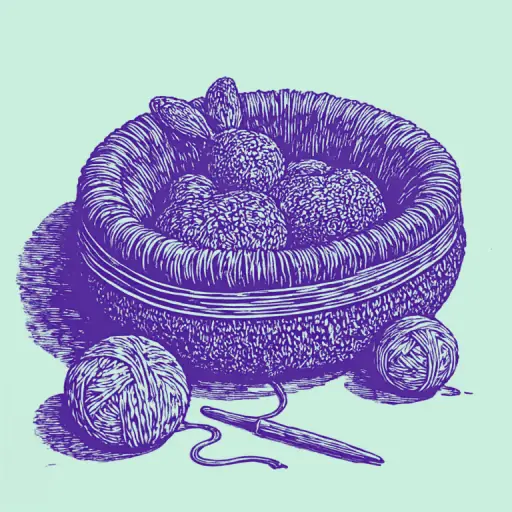
How to knit a cozy bed for a guinea pig yourself?
- 15 min read
- 65
Every guinea pig owner knows how these charming rodents appreciate warmth, softness, and privacy. When setting up a cage, we often look for ideal cage accessories that will give the pet maximum comfort. Such a cozy nest can be made by yourself. Knitting for rodents is not just a fascinating hobby, but also an opportunity to make a unique, eco-friendly, and tactilely pleasant home for your guinea pig with your own hands.
In this practical guide, we will thoroughly examine how to make a warm knitted bed for a guinea pig. We will look at two popular and simple methods: a classic crochet mat made from dense knitted yarn and an incredibly soft knitted nest made from fluffy Alize Puffy yarn, which can be knitted literally by hand without using needles. You will learn how to choose safe materials, master basic mat knitting patterns, and learn how to properly care for the finished product so that it delights your fluffy friend for a long time.
Preparation: Safety and Material Selection
Creating a cozy bed for a guinea pig starts not with the first stitch, but with responsible planning. Unlike ordinary interior baskets, rodent accessories must meet strict safety standards. Guinea pigs are very curious, love to test everything "with their teeth," and have delicate paws with sensitive claws that can easily get tangled in improper weaving.
Before starting to knit, it is important to understand which materials will not harm the pet's health and how the texture of the yarn affects the durability of the item. Let's look closely at the key safety requirements for a homemade nest and compare the two most popular types of yarn for this task.
Safety of Knitted Accessories for Rodent Claws and Teeth
Pet safety is the main criterion when creating any knitted accessory for rodents. Guinea pigs have fragile paws with sharp claws and continuously growing teeth, which they will inevitably try to taste on a new bedding.
For a homemade knitted nest to be absolutely safe, it is important to eliminate two main risks:
- Claw Injuries. Too loose a knit, openwork patterns, or elongated stitches are a dangerous trap. If the animal catches its claw on a loose thread, the frightened creature can seriously injure its paw or dislocate a limb. The knit density must be maximum, with no gaps.
- Digestive Issues. Guinea pigs tend to chew textiles. Long fur (such as mohair or angora) and easily unraveling threads, if swallowed, can cause dangerous intestinal blockage.
When designing the mat, completely avoid small decorations: buttons, beads, appliqués, and long ties that the animal might bite off and swallow.
Which Yarn to Choose: Knitted Ribbon vs. Plush Alize Puffy
The choice of material determines not only the appearance but also the practicality of the future nest. Two types of yarn are most often used for knitting rodent accessories: knitted ribbon and plush Alize Puffy.
- Knitted Yarn (100% Cotton):
- Pros: Holds its shape well, creating stiff and stable borders. The fabric turns out dense, without gaps, which prevents claws from getting stuck. Wear-resistant, easily withstands frequent washing.
- Cons: Requires crochet work (usually size 7–9), the knitting turns out heavy.
- Alize Puffy Plush Yarn:
- Pros: Incredibly soft and warm, ideal for sensitive paws. Knitted by hand without using tools, which is manageable even for beginners.
- Cons: Does not hold a vertical shape well without dense stuffing. Requires gentle washing.
| Criterion | Knitted Ribbon | Alize Puffy |
|---|---|---|
| Difficulty | Requires a hook, medium | No tools, easy |
| Shape | Stiff, holds borders | Soft, requires stuffing |
| Hygiene | Easy to wash and dry | Dries slowly, delicate care |
For a classic, stable nest, it is better to choose knitted ribbon, and for a soft mattress or donut-shaped mat—Alize Puffy.
Simple Crochet Mat-Nest: Step-by-Step Tutorial
The classic round mat-nest is the ideal first project for those who want to give their pet a useful accessory. Thanks to dense crochet work, such an item holds its shape well, protects the rodent from drafts, and serves as a cozy refuge for daytime sleep. Even if you haven't held a hook in a long time, this simple technique will allow you to create a neat and safe sleeping place in just one evening.
In this section, we will cover the classic circular technique, which is perfect for working with dense knitted yarn. We will start with preparing the workspace and reviewing basic stitches, and then move on to forming a stable base and transitioning to soft but resilient borders.
Necessary Tools and Basic Knitting Pattern for Beginners
To create the first, simplest mat-nest, we will use only basic crochet skills. This is an ideal option for beginners who are just starting to work with knitted yarn. Before starting, make sure you have everything you need on hand.
🛠️ Tools You Will Need:
- Hook: Choose a hook that matches the thickness of the chosen knitted yarn (this is usually indicated on the yarn label). A larger hook may be required for Alize Puffy.
- Stitch Markers: These will help you keep count and prevent dropping stitches, especially when working with dense rows.
- Scissors: For cutting threads and yarn.
- Knitting Needles (Optional): If you plan to knit borders or decorative elements, needles may be needed.
- Measuring Tape: To control the size of the mat so that it fits your guinea pig perfectly.
🧶 Basic Knitting Pattern (Rectangular Base):
We will start with the simplest element—a flat rectangular base. This is the foundation that provides maximum support. The pattern is built on repeating stitches that create a dense yet soft structure.
- Starting Row: Chain the required number of chain stitches (ch) for the width of the mat. Remember that 1 ch = 1 cm of width.
- Main Knitting: Knit rows of single crochet (sc) or double crochet (dc) up to the desired length. For maximum density and stability, single crochet is best.
- Measuring: For a standard guinea pig mat, the ideal base size is 30x25 cm. Measure these dimensions and knit, increasing the number of stitches in each row to achieve the desired width.
Tip for Beginners: Don't be afraid to make swatches! Before starting the main item, knit a small square to understand how the yarn behaves on the chosen hook and what knitting density you are achieving. This guarantees that your mat will be sturdy enough, yet remain cozy and soft.
When the base of the desired size is ready, we move on to forming a stable transition and soft walls:
- Transition Row. To ensure the borders rise strictly vertically, crochet the first round using single crochet (SC) exclusively into the back loop of the base stitches. This will create a rigid textured seam and securely fix the bottom shape.
- Wall Knitting. Continue crocheting SC in a spiral without increases. To make the borders soft yet structured, you can switch to a hook half a size larger. Knit upwards to a height of 7–9 cm—this is enough for the guinea pig to feel safe and be able to comfortably rest its head on the edge.
- Edge Closing. Crochet the last row using slip stitches (invisible stitches). This will prevent the edge from stretching during use. Carefully tuck all yarn ends inside the fabric using a crochet needle so the pet cannot get caught on them with its claws.
Hand Knitting Without Needles: Cozy Donut Bed from Alize Puffy
If you have mastered basic crochet techniques and are ready to move on to softer and more voluminous textures, it is time to try plush yarn. Knitting with plush is not only an aesthetic pleasure but also an ideal choice for creating the most cozy and soft sleeping spot for your guinea pig. Alize Puffy plush yarn, thanks to its unique structure, allows you to create incredibly voluminous and fluffy items that will delight the eye and provide maximum comfort. However, working with this yarn has its own peculiarities that are important to know to make the knitting process as simple and pleasant as possible.
In this section, we will learn to knit a donut bed using only plush yarn. We will look at how to work with pre-made loops to avoid complications and go through the step-by-step weaving process. As a result, you will have a seamless, perfectly round, and incredibly soft accessory that will become a true center of coziness in the cage.
Features of Working with Pre-made Plush Yarn Loops
Working with Alize Puffy yarn is a pleasure because it does not require needles or a hook. The yarn consists of pre-made, identical loops that are threaded into each other with your fingers. However, when creating a guinea pig bed, it is important to consider several technical nuances:
- Density Control: To prevent the rodent's claws from getting stuck in the fabric, choose classic Alize Puffy and knit tightly enough, avoiding loop sagging.
- Weaving Direction: When circularly knitting the donut bed, the working yarn loops are always threaded from back to front (inside to outside) through the loops of the previous row. This creates a smooth front surface.
- End Fixing: At the beginning and end of the work, be sure to cut the thin joining thread between the loops to get a free yarn tail. This must be securely tied into a knot and hidden inside the fabric so the guinea pig cannot chew on it.
By mastering these basic rules for working with pre-made loops, you will easily manage the assembly of a soft nest.
Step-by-Step Weaving and Assembly of a Seamless Bed
To create a seamless donut bed with a diameter of about 25 cm, follow this simple instruction:
- Base: Count 8 loops of Alize Puffy working yarn and join them in a circle, knitting the first and last loops together.
- Bottom Knitting: Thread the working yarn loops through the loops of the ring. In the second row, make increases—thread two loops into each loop of the previous row (you will get a total of 16 loops).
- Forming the Borders: In the third and fourth rows, knit without increases, threading one loop. The fabric will begin to roll upwards, forming a cozy border.
- Closing the Loops: Thread the second loop of the row through the first, then the third through the second, and so on around the circle. Cut the last loop, thread it through the remaining tail, and hide it inside the weave.
You will get a soft, seamless nest, perfectly suited for the guinea pig's rest.
Placing the Accessory and Acclimating the Pet
Once the cozy nest or soft plush donut is completely ready, an equally important stage begins—integrating the new accessory into your beloved pet's usual environment. It is not enough to simply knit a beautiful bed; it is important to present it correctly to the timid rodent so that it becomes its favorite resting spot, and not just another target for tooth wear.
Proper placement of the handmade bed in the cage and a soft, unobtrusive introduction process will help the guinea pig feel completely safe. Let's explore how to harmoniously incorporate the knitted masterpiece into the enclosure's interior and help the pet adopt the new sleeping spot without unnecessary stress.
Where and How to Properly Place the Knitted Nest in the Cage
The correct placement of the knitted nest in the cage is the key to its longevity and your guinea pig's health. To keep the handmade bed dry and clean, follow these recommendations:
- Away from Moisture and the Litter Box. Place the knitted nest at the end of the cage opposite the waterer and the "toilet" corner. Yarn quickly absorbs moisture, which can lead to bacterial growth and unpleasant odors.
- Protection from Drafts. Place the sleeping area in the most protected, secluded corner of the enclosure, away from open doors and windows.
- Safe Height. The knitted nest-bed should be placed exclusively on the cage floor. Guinea pigs have weak spines and fragile legs, so jumping even from a small height is dangerous for them.
- Securing. If your pet likes to move objects, secure the bottom of the bed to a non-slip mat or gently tie the border to the cage bars using knitted ribbon.
How to Safely Acclimate a Guinea Pig to a New Sleeping Spot
Guinea pigs are naturally conservative and may approach the new knitted nest with caution. To ensure the introduction process is stress-free, follow these simple steps:
- Familiar Scent. Before placing the handmade knitted mattress in the cage, rub it with clean bedding from the pet's usual sleeping area or place a handful of favorite hay inside. The familiar aroma will calm the pet.
- Tasty Reward. Place the guinea pig's favorite treat in the center of the bed—a sprig of parsley, dill, or a piece of juicy cucumber. The desire to snack will quickly overcome natural shyness.
- No Forcing. Never force the rodent into the knitted bed. Allow the curious creature to explore the new soft accessory on its own.
Usually, adaptation takes anywhere from a few hours to a couple of days, after which the guinea pig will happily spend time in its cozy nest.
Hygiene and Proper Care for the Knitted Bed
Creating a cozy nest by hand is only half the battle. For the knitted bed to remain safe, beautiful, and hygienic, it requires proper care. Unlike standard store-bought bedding, unique handmade items made from knitted yarn or soft Alize Puffy plush yarn require a delicate approach to cleaning.
Guinea pigs are very sensitive to the cleanliness of their environment. Dust, hay remnants, fur, and natural secretions inevitably accumulate on the yarn fibers. Proper and timely care will not only extend the life of the homemade mattress but also reliably protect your fluffy companion's health from the proliferation of bacteria and parasites.
Washing and Disinfecting Knitted and Plush Yarn Items
Caring for a knitted bed directly depends on the material it is made from. Since rodent sense of smell is very sensitive, use only hypoallergenic baby products or liquid gels without strong fragrances for washing.
- Knitted Yarn (Cotton): Allows machine washing on a delicate cycle at temperatures up to 40 °C. To prevent the dense base from losing its shape, wash the item in a special mesh bag. The bed must be dried strictly in a horizontal position, after first smoothing out the edges.
- Plush Yarn (Micro polyester): Requires gentle handling. Wash it by hand or on the "wool" cycle at 30 °C with minimal spin (up to 400 rpm). Plush dries quickly, but it should also not be hung up—dry it on a towel, and after it dries, gently fluff the pile by hand.
For disinfection against parasites and bacteria, do not use chlorine-containing agents. The best method is treatment with a household steamer or safe veterinary sanitizing sprays that do not require rinsing and are safe for the rodent's paws.
How Often to Change and Clean a Rodent's Knitted Bed
Maintaining the cleanliness of the knitted sleeping area is not just a matter of aesthetics, but a key element of your guinea pig's health. Since knitted accessories, especially those made of plush yarn, are very soft and cozy, they can accumulate moisture, odors, and microorganisms, which requires regular attention.
How often should the bed be cleaned and changed?
- Daily Check: Pay attention to visual inspection. If you notice traces of urine, stains, or obvious dirt, do not wait for a scheduled wash—treat that spot immediately.
- Weekly Cleaning: It is recommended to deep clean the bed every 7–10 days. This will help remove accumulated odors and prevent mold development, especially if the cage is in a damp room.
- Filling Replacement: If you used a removable filling (such as polyester fiberfill or cotton), it should be replaced at least once a month, as it loses volume and can become damp over time.
Disinfection and Care Rules:
- Washing: Always wash knitted items in a machine on a delicate cycle. Use hypoallergenic detergents to avoid irritating the pet's skin. For extra disinfection, you can add half a cup of vinegar or a special pet product to the washing compartment, but be sure to air dry the bed after washing.
- Drying: Never dry knitted items on a radiator or in direct sunlight, as this can damage the yarn. It is best to hang the bed in a well-ventilated area.
- Prevention: If you notice that the bed has started to smell strongly or has lost its shape, this is a signal for complete replacement or deep dry cleaning. Remember that the knitted nest is a supplement to coziness, not a replacement for proper cage hygiene.
Conclusion
Creating a knitted bed by hand is not only a great way to show care for your pet but also an enjoyable creative process. Whether it is a dense nest made of knitted yarn or a soft plush donut from Alize Puffy, your guinea pig will surely appreciate the warmth and comfort of the new sleeping spot. We wish you inspiration and easy stitches!