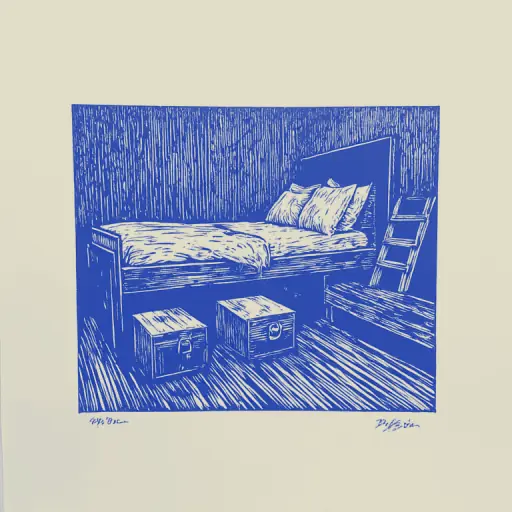
How to Lower the Lower Berth in a Train Compartment and Set It Up Correctly
- 8 min read
- 68
Modern RZD carriages offer comfort, but technologically advanced transformer carriages often leave passengers in a dilemma. The familiar lower berth in the compartment now looks like a stylish sofa, and it can be difficult at first glance to figure out how to turn it into a full sleeping area and access the luggage compartment.
Do you need to press a hidden locking button, how do you correctly unfold the sofa without damaging the mechanism, and how do you fold the ladder by the door? In this guide, we will thoroughly examine the transformation process for different types of carriages so that your journey begins with nothing but pleasant emotions.
Preparing the Compartment for Berth Deployment
Before starting the transformation of the seat into a full sleeping area, it is necessary to properly prepare the space around it. In modern RZD carriages, ergonomics are thought out to the smallest detail, but any forgotten item or misplaced object can block the sensitive mechanism.
Timely preparation of the compartment will not only protect the berth parts from accidental damage but also save you effort. Before lowering the lower berth, it is important to pay attention to two key details: the correct placement of travel bags and the safe position of the auxiliary fittings.
Placing Luggage in the Lower Compartment (Luggage Rack)
Before transforming the lower berth in the compartment, you must properly organize the luggage compartment. In older carriages, there is a closed luggage rack under the seat. To put suitcases in it, fully raise the berth to the stop.
In new RZD carriages, the space under the berth is open (without a P-shaped metal box). In both cases, ensure that bags do not protrude beyond the niche or rise above the frame. Any protruding edge of the luggage will block the lowering of the sleeping area or damage the upholstery of the transformer sofa. It is best to push large items deep inside immediately.
How to Fold the Ladder Near the Door So It Does Not Block the Berth
In modern RZD compartment carriages (especially in double-decker sets and new transformer carriages), a built-in metal ladder is installed near the entrance door for ascending to the upper berths. If it is even slightly open, the lower transformer sofa cannot be unfolded—protruding parts will block the berth's movement path.
To fold the ladder correctly, perform three simple steps:
- Press the structure against the wall. Gently press on the steps, sinking the ladder into the special wall niche.
- Secure until it clicks. Ensure that the magnetic holder or mechanical lock has engaged. The ladder must be completely flush with the wall surface.
- Check the lock. Some carriage models have an additional top swivel hook—be sure to close it so the structure does not accidentally tip over while the train is moving.
Only when the ladder is securely locked in the wall can you proceed to unfolding the bed.
Step-by-Step Guide to Unfolding the Lower Berth
Once the luggage is securely stored in the luggage rack and the ladder is neatly folded, you have free space to set up the bed. The process of turning the seat into a full sleeping area depends directly on the carriage's year of manufacture. The transformation mechanisms in modern RZD sets and classic old-model trains are fundamentally different. Let's break down the step-by-step algorithms for each compartment type so you can easily handle this task without unnecessary effort.
Transforming the Sofa into a Sleeping Area in New RZD Transformer Carriages
In modern RZD transformer carriages, the lower berth in the compartment is a comfortable sofa with a backrest. To turn it into a full sleeping area, perform several simple actions:
- Completely clear the sofa seat of bags and small items.
- Locate the special textile loop or plastic slot handle on the upper part of the backrest.
- Pull the loop towards you and gently lower the backrest onto the seat.
- On the back side of the lowered panel, you will see the already made-up mattress.
This transformer carriage allows you to use the clean seating area during the day and quickly unfold the sofa at night to get a ready-made sleeping area without extra effort.
How to Lower a Classic Berth in Old Compartment Carriages
Unlike modern transformers, the lower berth in classic compartment carriages (such as old TVZ models or German "Amendorfach") is much simpler. Here, the sleeping area is a single structure that lifts up to access the luggage compartment.
To lower such a berth, follow these steps:
- Clear the space: ensure that the luggage rack lid is completely closed and there are no foreign objects in the path of the berth movement.
- Lift the edge: gently pull the berth up by the edge or a special fabric loop. This is necessary to loosen the pressure on the retaining mechanism.
- Release the lock: if the berth is locked, find the metal stop plate (safety catch) on the side or near the wall. Pull it towards you or push it to the side.
- Gently lower the berth: while holding the structure, carefully lower it down to a horizontal position. It should lie flat on the base of the luggage rack.
What to Do If the Mechanism is Stuck or the Berth Won't Lower
Even knowing the correct algorithm, passengers sometimes encounter situations where the lower seat is firmly stuck. In modern RZD transformer carriages and old compartments, mechanisms can act up due to misalignment, part wear, or hidden blockers. Do not use brute force—this can permanently break the structure or cause injury. Let's figure out how to solve this problem carefully on your own and in which cases it is better to delegate the task to professionals.
Where to Look for Hidden Locks, Levers, and Buttons
If the lower berth will not budge, do not apply force. In modern RZD transformer carriages, locks are often hidden from view:
- Lock button or plastic lever may be located in a recess behind the sofa backrest (near the headrest) or on the side, closer to the partition by the window.
- In classic compartments, check for a metal "tab" or stop plate under the berth, near the luggage compartment.
- Sometimes, lightly pressing the seat down before pulling the latch helps unlock the mechanism.
How to Properly and Safely Ask the Attendant for Help
If the hidden locks do not give way or the mechanism is stuck, do not try to use excessive physical force. You may damage the fittings of the new transformer carriage or injure yourself.
In this situation, follow this algorithm:
- Call an employee. Use the attendant call button on the panel by the door (in modern RZD carriages) or go to the service compartment.
- Describe the situation. Politely inform them that the lower berth in the compartment is blocked and will not transform into a sleeping area.
- Wait for a specialist. The attendant has a special key to unlock it or, if necessary, will call a train electromechanic.
Remember that self-repair can lead to fines for damaging railway property.
Rules for Shared Space Use in the Compartment
Once the lower berth is successfully deployed and all technical issues are resolved, the general atmosphere in the compartment comes to the forefront. Shared travel requires mutual respect, as the confined space brings together people with completely different habits. To ensure the trip leaves only pleasant impressions, it is important to observe the unwritten rules of courtesy and the official carrier regulations.
Etiquette and Rules for Passengers on Upper Berths Using the Lower Berth
According to official RZD rules, passengers on upper berths have the legal right to use the table and sit on the lower berth to eat during strictly defined hours:
- Morning (7:00 to 10:00) — up to 30 minutes;
- Lunch (12:00 to 15:00) — up to 30 minutes;
- Evening (19:00 to 21:00) — up to 30 minutes.
At other times, staying downstairs is a matter of courtesy and personal agreement. If a passenger downstairs is resting, their personal space should be respected, and you should not demand they give up their seat. A friendly dialogue always helps avoid conflicts during the journey.
Ensuring Personal Comfort During Sleep and Travel
After agreeing with your neighbors and deploying the lower berth, it is important to properly set up the sleeping area. In modern transformer carriages, the bedding is laid directly on the soft upholstery of the folded-down backrest—the mattress is already built into it.
For maximum comfort while sleeping:
- Adjust the light: use the individual spotlight by the headboard so as not to disturb fellow passengers.
- Organize gadgets: charge your phone via the USB port, which is located right by the berth in new carriages.
- Use the curtain: if the compartment design includes one, close it for privacy.
Do not forget to put small items in the mesh pockets on the wall so they do not get lost while the train is moving.
Conclusion
Knowing how to quickly and correctly deploy the lower berth is the key to a calm and comfortable journey. Whether you are traveling in a classic compartment or a modern RZD transformer carriage, this process will not take much time. The main thing is to act carefully, remember the rules of courtesy toward fellow passengers, and not hesitate to contact the attendant if any difficulties arise. Have a pleasant journey!