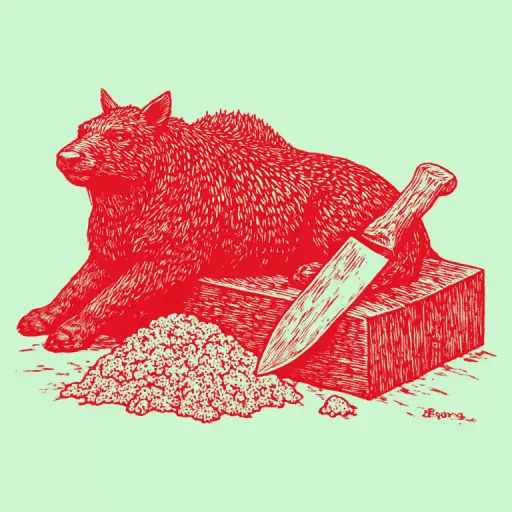
How to properly salt beaver skin to prevent fur damage
- 14 min read
- 25
Beaver fur has been valued for ages for its incredible density, wear resistance, and noble sheen. However, hunting the animal is only half the battle. The most critical stage begins immediately after the hunt, when proper initial processing and preservation of the pelt are required. The beaver's hide (fleshing) is characterized by increased fat content and thickness, making it extremely vulnerable to rot and bacterial infection.
The slightest error during the preservation stage can lead to an irreversible defect known as hair shedding, where the fur begins to fall out in clumps, turning a valuable trophy into a useless piece of skin. Salting is the most reliable and accessible way to preserve the raw material at home until it is tanned. Both dry salting and wet salting methods are used in practice.
In this practical guide, we will thoroughly examine how to properly prepare a beaver skin for salting, which salt to choose, and how to carry out the entire process to guarantee the preservation of impeccable fur quality.
Preparing the Beaver Skin Before Salting: Defatting and Fleshing
High-quality initial processing of the beaver skin is the foundation without which proper preservation is simply impossible. The beaver possesses extremely dense hide tissue and a substantial subcutaneous fat layer that serves as reliable thermal insulation in icy water. If the thorough preparation stage is skipped and the skin is immediately covered with salt, the fat will block the penetration of the preservative into the deep layers of the dermis. As a result, the fleshing will begin to sour from the inside, inevitably leading to irreversible damage to the fur.
Before starting the salting process, the hunter must perform a delicate yet thorough mechanical and wet cleaning of the raw material. This process includes removing remnants of meat trimming, fat, and subsequent washing, which guarantees an impeccable result during the preservation stage.
Removing Fat and Fleshing the Beaver: How to Prepare the Fatty Hide Tissue
The beaver is distinguished by its extremely fatty hide tissue (fleshing). If subcutaneous fat and meat trimmings are left on it, the salt simply cannot penetrate deep into the dermis. This will inevitably lead to the skin souring, the appearance of an unpleasant odor, and consequently, hair shedding—the fur will begin to fall out in clumps.
Initial processing and fleshing of the beaver require care. You will need the following tools:
- Fleshing board (slanted board) — a convex wooden or plastic device onto which the skin is stretched flesh-side up.
- Scraper or dull knife — the tool must not be too sharp, lest it accidentally cut the skin.
Begin defatting the fleshing from the tail to the head, moving the knife at an angle of approximately 45 degrees. Thoroughly scrape off the fatty film and meat remnants. Be extremely careful in the groin and belly areas, where the skin is thinnest.
The main rule for beaver skins at this stage is not to 'cut' the fleshing. If you scrape off an excess layer and expose the hair follicles, the fur in those areas will inevitably fall out during subsequent tanning. After removing the main fat, wipe the fleshing with dry, clean burlap or hardwood sawdust to absorb residual grease.
Washing and Preparing for Salting
After completing the fleshing, the skin must be thoroughly washed. The initial processing at this stage aims to remove remnants of blood, dirt, and released fat, which can become a breeding ground for putrefying bacteria.
Rules for washing the beaver skin:
- Water Temperature: Use only cold water (not above 15 °C). Warm water promotes rapid microorganism multiplication and can cause irreversible hair shedding.
- Defatting the Fleshing and Fur: To remove stubborn beaver fat, add a small amount of dish soap to the water. Thoroughly wash both the hide tissue and the fur.
- Rinsing: Rinse the skin in clean running water to completely remove any soap residue.
After washing, the skin must be removed of excess moisture. Gently squeeze the fur (without twisting the skin) and allow the water to drain. Lay the raw material flesh-side up on a clean, inclined surface in a cool place. Before applying salt, the fleshing must be cool and slightly damp to the touch, but without pools of water on the surface. Allow the skin to cool—this is a key rule for skins before starting preservation.
Choosing Materials: Which Salt to Use and How Much is Needed
After the beaver skin has been thoroughly cleaned of fat, washed, and completely cooled, the decisive preservation stage begins. The success of all subsequent tanning directly depends on the quality and quantity of the reagent you use to dehydrate the hide tissue. The only reliable and accessible preservative in a home setting remains regular table salt.
However, not any salt found in the kitchen or hardware store is suitable for working with valuable beaver fur. Mistakes at this stage can lead to irreversible damage to the fleshing and hair loss. Let's examine which salt characteristics are critically important for quality preservation and how to correctly calculate the volume to reliably protect the raw material from rot.
Correct Salt Selection: Why Coarse Grind is Important and Technical Salt is Harmful
Salt selection is a critically important step in the initial preservation of fur. For the quality salting of beaver skins, only regular coarse-ground rock salt (Grind No. 1 or No. 2) without any additives is suitable.
Using fine salt (such as 'Extra' grade) is one of the main mistakes of novice hunters. Fine crystals dissolve instantly on the damp fleshing, forming a dense salt crust. This crust blocks further penetration of the preservative into the deep layers of the dermis. As a result, moisture remains trapped inside, rot processes begin, and the fur starts to shed (hair shedding occurs). Coarse salt dissolves slowly and gradually, evenly drawing moisture from all layers of the skin.
It is also strictly forbidden to use:
- Iodized salt: Iodine reacts chemically with skin proteins, leading to discoloration of the fleshing and potentially weakening the hair follicles.
- Technical salt: It contains impurities of heavy metals, petroleum products, and dirt, which will irrevocably spoil the structure of the hide tissue and stain the beaver's dense undercoat.
For work, choose only clean, dry, coarse-ground food-grade salt.
Salt Consumption Norms for One Beaver Skin
The amount of salt required to preserve a beaver skin depends directly on its size and weight after fleshing. The hide tissue of this rodent is very dense, thick, and prone to retaining moisture, so significantly more salt is required than for processing small fur-bearing animals.
The main rule for beaver pelts: the weight of the salt used must be at least 30–50% of the weight of the de-fatted, fleshed hide. In practice, experienced masters recommend salting "with a surplus." It is impossible to oversalt the raw material—the flesh will absorb exactly as much moisture and salt as needed, but a lack of preservative will guaranteed lead to bacterial growth and fur spoilage.
Approximate consumption rates for coarse rock salt per hide:
- Small hide (young individuals): 1.5–2 kg.
- Medium hide (average-sized adult beaver): 2.5–3 kg.
- Large and extra-large hide (large males): from 3.5 to 5 kg.
Note that the specified volume is used in two stages: about 70% goes into the initial packing, and the remaining part is used to top up moist areas after the first curing period and removal of exudate.
Technological Methods for Salting Beaver Hides
The correct choice of preservation method is a decisive stage that determines the preservation of the fur and the elasticity of the leather tissue during subsequent tanning. In home practice, hunters and taxidermists use two main technological approaches: dry salting and wet salting. Each has its own characteristics, requirements for temperature regime, and labor intensity.
The choice of a specific method depends on your working conditions, the volume of raw material, and your plans for its further transportation. Let's examine both technologies in detail so you can choose the most convenient and reliable option for your home workshop.
Step-by-Step Guide to Dry Salting at Home
Dry salting is a classic and most reliable method for preserving fur at home. It allows for rapid dehydration of the flesh and prevents the proliferation of putrefying bacteria, which causes hair matting.
Step-by-step algorithm for dry salting a beaver hide:
- Prepare the working surface. Lay the hide flesh-side up on a clean wooden surface or rack with a slight incline. The incline is necessary for the unimpeded draining of the resulting brine.
- Initial salt application. Generously cover the entire surface of the flesh with coarse-ground dry salt. The layer thickness should be about 1–1.5 cm. Pay special attention to the edges of the hide, the thickened areas near the neck and tail.
- Rubbing in the salt. Carefully but thoroughly rub the salt into the leather tissue with your hands. The initial treatment of the beaver requires meticulousness: any unsalted areas will quickly rot.
- Folding the hide. Fold the hide in half ("envelope style") flesh-to-flesh or roll it loosely fur-side out. This prevents rapid moisture evaporation and ensures even salting.
- First curing and re-salting. Leave the hide in a cool place for 2–3 days. During this time, the salt will draw out excess moisture. Shake off the moist salt and re-cover the hide with fresh dry salt for another 3–5 days until fully salted.
Wet Salting Method for Fur Preservation
Unlike dry salting, the wet salting method (or brining) involves preserving the hide in a saturated salt solution—a brine. This method is indispensable when processing large beaver hides with very dense and thick flesh, as the liquid medium guarantees fast and absolutely uniform penetration of salt into all layers of the leather tissue.
Wet salting technology step-by-step:
- Preparing the brine. Use clean cold water with a temperature not exceeding 15–18 °C. Dissolve coarse-ground salt in it to the point of saturation—approximately 280–300 g of salt per 1 liter of water. To protect against bacteria, it is advisable to add a quality antiseptic to the solution (e.g., sodium fluorosilicate at a rate of 1 g per liter).
- Submerging the raw material. Place the de-fatted hide in a plastic or wooden container with the solution. The volume of the brine must exceed the weight of the hide by approximately 3–4 times so that the raw material floats freely.
- Curing and stirring. The salting process lasts from 12 to 24 hours. Every 2–3 hours, the hide must be gently stirred with a wooden paddle.
- Draining. Remove the hide from the solution and lay it on an inclined surface flesh-side up for 2–3 hours to allow excess moisture to drain.
A hide properly preserved by wet salting becomes dense, elastic, and acquires a uniform light tone in the flesh.
Curing Times, Drying, and Storage Conditions Before Tanning
After the beaver hide has been treated with salt—either dry or wet salting—the most crucial stage of preservation begins. The success of the entire process now depends on strictly adhering to the time frames and temperature regime. Mistakes at this stage can negate all previous efforts, leading to irreversible spoilage of the valuable fur.
Proper moisture control and timely cessation of salt contact prevent the leather tissue from drying out, and the fur from shedding. Let's examine how to determine the readiness of the raw material, properly dry the hide, and create optimal storage conditions until the tanning process.
How Long to Salt a Beaver Hide and How to Prevent Hair Matting
The curing time for a beaver hide directly depends on its size and the thickness of the leather tissue. The beaver is a large rodent with very dense and fatty flesh, so the initial treatment and preservation of the fur require patience. On average, a quality dry salt cure takes 7 to 10 days. For especially large, heavy hides ("leather hides"), this period may extend to 12–14 days.
Insufficient time in the salt is the main reason hair matting occurs. Hair matting (fur loss) is an irreversible process of destruction of hair follicles by putrefying bacteria. If the salt does not have time to penetrate the entire depth of the dermis and bind the tissue fluid, the fur will begin to shed in clumps during the rehydration stage of subsequent tanning.
To prevent raw material spoilage, observe three important rules for beaver hides:
- Control the temperature. Conduct the salting in a cool room at a temperature of +8 to +15 °C. In warmth (above +20 °C), bacteria develop faster than the salt can preserve the tissues.
- Ensure moisture drainage. In the first 2–3 days, the hide will actively release juice. Lay it on an inclined surface flesh-side up so that the resulting brine drains freely and does not stagnate in the folds.
- Renew the salt. After 48 hours, shake off the moist salt and thoroughly rub the hide with fresh coarse-ground dry salt, paying special attention to the edges, ears, and tail section.
Remember that excess moisture on the flesh is the main enemy of the fur. Only complete saturation with salt guarantees the preservation of the hair coat.
Rules for Storing Salted Raw Material and Preparing for Transport
After the salting process is complete, the beaver hide must be properly prepared for storage or transport to the tanner. Mistakes at this stage can negate all previous efforts, leading to leather tissue decay or damage to the fur by insects.
Drying After Salting
If you used the wet salting method, there is no need to dry the hide until it is stone-hard. It is enough to let the excess brine drain off. With dry salting, the hide is carefully cleaned of old wet salt, lightly shaken, and dried if necessary on racks in a cool, well-ventilated room at a temperature not exceeding +15...+18 °C. It is strictly forbidden to dry the raw material in the sun or near heating appliances—this will cause the pelt to "cook" and become brittle.
Storage Conditions
For long-term storage of salted raw material, observe the following rules:
- Temperature Regime: It is optimal to store hides in a cool place (from 0 to +8 °C). Wet-salted hides packed in airtight bags can be stored temporarily in a freezer.
- Humidity: The room must be dry (relative humidity 50–65%) to prevent mold development.
- Pest Protection: Be sure to treat the storage area with moth and leather beetle repellents. Do not allow the raw material to come into contact with rodents.
Preparation for Transport
For transporting wet-salted hides, fold them in half along the spine (flesh side to flesh side, so the salt does not stain the fur) and roll them into a tight cylinder. They should be packed in breathable containers—canvas bags, burlap, or cardboard boxes. The use of airtight plastic bags is only permissible for short-term transport in frozen condition; otherwise, the hide will quickly "suffocate" and the rotting process will begin.
Conclusion
The proper initial processing and preservation of a beaver hide is a meticulous process that requires extreme care, patience, and strict adherence to the technology from the hunter. Mistakes made during the degreasing or salting stage are practically impossible to correct later. Poorly processed pelts rot quickly, and bacterial development leads to irreversible defects—hair texturing, which causes the valuable fur to shed in clumps, rendering the raw material completely unusable for further use.
To summarize our practical guide, let's highlight the golden rules for successful home preservation of fur:
- Quality Fleshing: Beavers have extremely fatty hide tissue. Thorough removal of meat trimmings and fatty film is a mandatory step, without which the salt cannot penetrate the dermis structure.
- Use of Proper Salt: Use only pure coarse-ground table salt (preferably No. 3). Fine salt instantly forms a crust, preventing dehydration, and iodized or technical salt will cause chemical burns and spoil the pelt.
- Generous Use of Salt: There must be plenty of salt. At least 1.5–2 kg is required for one medium-sized hide. Pay special attention to folds, edges, and thickened areas around the neck and tail.
- Adherence to Temperature Regime: The salting and subsequent storage process must take place in a cool, dry, and insect-protected place.
By mastering these simple but important rules of dry or wet salting, you can guarantee the impeccable preservation of your hunting trophies. A properly preserved beaver hide can be stored without problems for several months while awaiting shipment to a professional tanner or for self-tanning. Remember that careful handling of the harvested animal and meticulousness at every stage of initial processing is the key to obtaining magnificent, durable, and warm fur that will last you for many years.