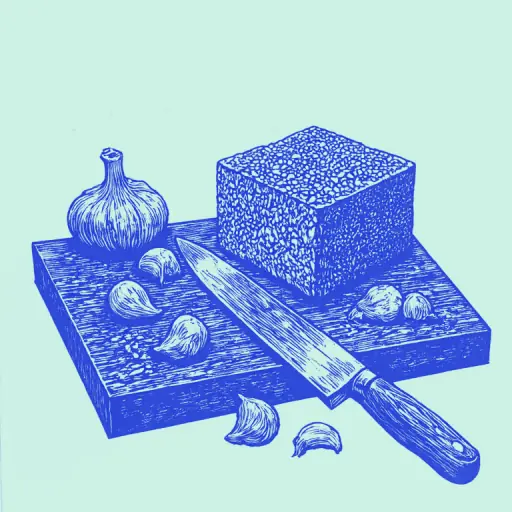
How to Salt Lamb Fatback: A Step-by-Step Guide to Dry and Wet Curing
- 14 min read
- 94
Lamb fatback is not just a valuable product of traditional cuisine from Central Asia and the Caucasus; it is a true delicacy with a tender texture and rich flavor. Properly prepared fatback is valued for its high nutritional content, health benefits, and unique ability to store for a long time. Salting fatback at home allows this specific product to be transformed into an exquisite cold appetizer that easily competes with the best varieties of pork lard in terms of taste.
There are several proven ways to salt lamb fat: the classic dry cure with garlic and spices (such as paprika and coriander), the spicy wet method in an aromatic brine, and traditional drying. In this practical guide, we will detail all the stages of preparing fatback at home: from selecting quality raw materials and eliminating its specific odor to determining the exact proportions of salt and the secrets to long-term storage of the finished delicacy.
Choosing and Preparing Fatback for Curing
The success of preparing a tender, melt-in-your-mouth delicacy directly depends on the quality of the initial product. Even the best recipe and perfectly balanced spices will not save the dish if you use old raw material with a sharp, unpleasant odor. The correct selection of fatback and its proper preliminary treatment are the foundation without which an ideal result is impossible.
Before starting the curing process, it is necessary to pay close attention to the product's appearance and texture. Let's examine the key signs to rely on when buying at the market or in a store, as well as how to properly prepare the fatback for further processing to fully unlock its gastronomic potential.
How to Choose Quality Raw Material and Eliminate the Specific Odor from Fatback
The success of curing fatback directly depends on the quality of the raw product. When buying at a market or butcher shop, pay attention to the following criteria:
- Color: Quality fatback should be milky-white or light pink. A yellowish tint is a sign of an old animal; such fat will be tough and have a sharp odor.
- Texture: Fresh fatback is elastic, dense, and quickly regains its shape when pressed with a finger. It should not be sticky or slippery.
- Odor: Quality raw material has a light, pleasant milky-meat aroma. A sharp, specific odor indicates that the meat comes from an old or uncastrated animal—such a product is best not to buy.
If a slight specific odor is present, it can easily be neutralized before curing. To do this, soak the fatback in cold water for 2–4 hours, adding one tablespoon of salt and a little lemon juice. After soaking, be sure to thoroughly dry the piece with paper towels. During the subsequent curing process, garlic, coriander, and cumin will completely eliminate unwanted aromas, leaving only a noble, spicy fragrance.
Rules for Cleaning and Slicing Fatback Before Curing
Before starting the curing, the fatback must be prepared correctly. This step determines how evenly the product will absorb salt and spices.
- Cleaning: Thoroughly rinse the fatback under cold running water. Using a sharp knife, clean the surface: remove any remaining connective tissue, membranes, possible blood traces, and small meat veins. If the fatback has skin, it can be carefully trimmed or left (depending on the recipe), but it must be thoroughly scraped off with a knife. After washing, dry the fatback thoroughly with paper towels—excess moisture will prevent salt from penetrating.
- Slicing: The slicing method depends on the chosen curing method:
- For dry curing: Cut the fatback into oblong blocks or slabs 2–3 cm thick. This thickness is ideal for quick and even salting.
- For curing in a large piece: If you want to cure the fatback whole (weighing 1–1.5 kg), make deep longitudinal and transverse cuts on its surface (spaced 3–4 cm apart), without cutting through the skin or base completely. You can also make deep punctures with a knife across the entire surface.
Proper butchering ensures that the delicacy will not spoil during maturation and will acquire a tender texture.
Classic Dry Curing Method with Garlic and Paprika
Dry curing is an age-old culinary classic valued for its simplicity and its ability to maximally preserve the dense yet melt-in-your-mouth texture of fatback. Unlike the wet method, the dry method effectively draws out excess moisture, compacting the fat fibers and turning ordinary lamb fat into an exquisite delicacy reminiscent of the tenderest Caucasian lard.
The combination of garlic and sweet paprika in this recipe is not accidental. Garlic imparts a piquant sharpness and a deep spicy aroma to the fat, while paprika not only colors the finished product a noble ruby red but also delicately neutralizes the specific odor of lamb. This method is ideal for novice cooks, guaranteeing excellent results with minimal effort.
Salt Proportions and Spice Selection for 1 kg of Product
For perfect dry curing, maintaining the balance of salt and spices for 1 kg of lamb fatback is crucial. Fatback, like pork, absorbs exactly the amount of salt needed for preservation, so it is almost impossible to oversalt it. However, an excess of spices can mask the noble flavor of the fat itself.
Recommended ingredient proportions for 1 kg of prepared raw material:
- Table salt (coarse grind, non-iodized): 100 grams (about 3–4 tablespoons). Coarse crystals gradually draw out excess moisture, ensuring even salting.
- Sweet ground paprika: 2 tablespoons. It is responsible for the beautiful ruby hue and the soft, sweet aroma. If desired, part of the volume can be replaced with smoked paprika.
- Fresh garlic: 1 large head (about 35–40 g). It is crushed through a press or sliced thinly.
- Black pepper (freshly ground): 1 teaspoon for a light spiciness.
- Ground coriander: 0.5 teaspoon (optional, to give a classic Eastern aroma).
Before starting, all dry components must be thoroughly mixed in a separate container to obtain a uniform spice blend.
Step-by-Step Process of Dry Curing at Home
After all ingredients are measured, we proceed to the actual preparation of the delicacy:
- Slicing and Preparation. Cut the fatback into portion blocks 4–5 cm wide. Make deep transverse cuts on each piece with a 2 cm spacing, without cutting through the skin completely. This allows the salt and spices to penetrate deep inside.
- Garlic Stuffing. Slice some of the garlic thinly and carefully insert it into the made incisions. Crush the remaining garlic and thoroughly mix it with the salt and paprika.
- Coating. Generously rub the fatback blocks with the resulting spice mixture on all sides, packing it tightly into the incisions. The fatback will not absorb excess salt, so do not be afraid to over-salt.
- Curing. Place the pieces tightly in a glass or enamel container, skin-side down. Sprinkle the remaining salt on top.
- Aging. Cover the container with a lid and place it in the refrigerator for 4–5 days.
At the end of the process, remove the product and carefully scrape off the excess salt with a knife. The tender fatback is now ready to be sliced and served.
Spicy Wet Curing of Fatback in Brine
While the dry method is valued for the classic density of the finished delicacy, wet curing in brine is the secret to an incredibly tender, literally melt-in-your-mouth texture of fatback. The liquid marinade allows salt and spices to penetrate evenly into the deepest layers of the fat, delicately softening its structure and saturating it with a noble aroma.
This method is ideal for home cooks aiming for a flawless result without the risk of drying out the product. Next, we will detail how to properly prepare a classic strong brine (tuzluk) and how long the fatback needs to be held in the liquid spicy environment.
Recipe for Aromatic Brine to Achieve a Tender Texture
To prepare the perfect brine that makes the fatback incredibly tender and aromatic, it is important to strictly adhere to the balance of salt and spices. For 1 kg of prepared fatback, you will need the following ingredients:
- Water (filtered) — 1 liter;
- Rock salt (coarse grind, non-iodized) — 120 g (about 4 tbsp heaped);
- Garlic — 5–6 cloves (crushed with a knife);
- Bay leaves — 3 pcs.;
- Black peppercorns — 10 pcs.;
- Allspice berries — 4 pcs.;
- Coriander seeds — 1 tsp (lightly crushed);
- Cloves — 2 pcs.
Brine Preparation Process:
- Pour the water into a saucepan, add the salt, bay leaves, both types of pepper, coriander, and cloves.
- Bring the mixture to a boil and simmer on low heat for 3–5 minutes so that the spices fully release their aroma.
- Remove the saucepan from the heat, add the crushed garlic, and let the brine cool completely to room temperature.
Secret to Tenderness: Never pour hot brine over the fatback, or the fat will begin to melt, and the texture will become loose. The cooled spicy infusion will gently permeate the fat fibers, preserving its elasticity and delicate taste.
Technology of Holding Fatback in Liquid Marinade
Once the prepared brine has cooled completely to room temperature (this is critical so that the tender lamb fat does not begin to melt), you can proceed with the actual holding of the product.
- Arrangement: Place the prepared fatback blocks, 3–4 cm thick, in a deep glass or enamel container. Try to arrange them quite tightly, but without excessive compression.
- Pouring: Completely cover the fatback with cold brine. The liquid must cover the product at least 2 cm above its level.
- Applying Weight: To prevent the fatback from floating and to ensure even curing, cover it with a flat plate and place a small weight on top (such as a jar of water).
- Temperature Control: Place the container in the refrigerator at a temperature of +2...+4 °C.
The holding time in the liquid marinade is exactly 4–5 days. After this period, remove the fatback, thoroughly dry it with paper towels, and hang it in a cool place for a few hours to allow excess moisture to drain.
Traditional Caucasian Recipe for Dried Fatback
Unlike the tender wet cure, which makes the fatback soft and juicy, the traditional Caucasian drying method aims to create a dense texture and a deep, concentrated flavor. This method has been used for centuries by mountain dwellers to preserve valuable fat in conditions of nomadic life and hot climates.
Dried fatback is a true delicacy that acquires a noble amber hue and literally melts in your mouth. The secret to success lies in the correct balance of pungent spices, which not only form an appetizing crust but also act as natural preservatives, protecting the product during air-drying.
Spicy Coating with Coriander and Hot Pepper
To create an authentic Caucasian crust on the dried fatback, a special dry spice mixture is used. It not only forms a noble spicy-hot flavor but also serves as a natural preservative, protecting the product during drying.
Spicy Coating Recipe for 1 kg of pre-salted fatback:
- Coriander (seeds) — 2 tbsp. It is recommended to use whole seeds and lightly crush them in a mortar immediately before application to maximize the release of essential oils.
- Hot red pepper (flakes or ground) — 1–1.5 tbsp. Imparts the characteristic spiciness and bright color.
- Sweet paprika — 1 tbsp (for a beautiful ruby hue and mild aroma).
- Dried garlic — 1 tsp.
- Freshly ground black pepper — 1 tsp.
Application Technology:
Thoroughly mix all the spices. Remove the fatback from the salt, rinse off the excess, and dry it thoroughly with paper towels. Generously coat the piece with the spice mixture on all sides, thoroughly rubbing it into the previously made incisions. The spices must completely cover the surface of the fatback, creating a protective "shell."
Rules and Drying Times for Hanging Fatback
For proper drying, the prepared pieces of fatback must be hung in a cool, well-ventilated area protected from direct sunlight. A dry cellar, a glazed balcony, or a veranda is ideal.
Optimal Drying Conditions:
- Temperature: +8 °C to +15 °C. At higher temperatures, the fat may begin to melt, and at lower temperatures, the preservation process will stop.
- Air Humidity: 60–70%.
- Protection: Be sure to wrap each piece in clean cheesecloth in 2–3 layers. This protects the delicacy from dust and insects.
The drying time is from 7 to 14 days. The time depends on the size of the pieces and your preference: after a week, the fatback will remain quite soft, while after two weeks, it will acquire a dense, ham-like texture. The finished product should feel firm to the touch, and its surface should be slightly darkened and covered with an appetizing glossy crust.
Checking Readiness, Storage Rules, and Freezing
The successful completion of any curing method—whether it is the classic dry method, the tender wet brine, or the aromatic Caucasian drying—requires a correct final assessment. To ensure that the homemade delicacy delights you with impeccable taste and remains completely safe for health, it is important to accurately determine the moment when the fatback is fully matured and ready to be served.
Equally important is creating optimal conditions for preserving the finished product. The correct temperature regime and proper packaging selection will help preserve the tender texture and subtle spicy aroma of the lamb fat for a long time, preventing spoilage and the development of an undesirable rancid taste.
How Many Days to Cure Fatback and How to Check Its Readiness
The curing time for lamb fatback directly depends on the chosen method and the size of the pieces. When slicing the fatback into 2–3 cm blocks, the process is significantly faster than when processing a whole slab.
- Dry Curing: Small pieces are fully cured in 3–5 days. A large piece weighing about 1 kg will require 7 to 10 days in the refrigerator.
- Wet Curing (in brine): To achieve a tender texture and even salt distribution, the fatback is held in the brine for 5–7 days.
- Drying: Before drying, the product must be salted dry for 3 days, after which it is sent for drying for another 10–14 days.
How to Check the Delicacy's Readiness:
- Visual Assessment. The finished fatback slightly changes color, becoming denser and acquiring a slight translucency when sliced.
- Control Cut. Make a deep cut in the thickest part of the piece. The texture must be absolutely uniform throughout the depth, without raw or excessively soft areas in the core.
- Aroma and Taste. The finished product acquires a clean, spicy aroma of spices and garlic, without any signs of rawiness or the specific smell of fresh fat.
Methods for Long-Term Storage of the Finished Delicacy and Freezing Possibilities
Proper storage of the finished fatback allows you to preserve its tender texture and spicy aroma for many months. The storage method depends directly on how quickly you plan to consume the delicacy:
- In the Refrigerator (Short-term Storage): Wrap the finished fatback in parchment paper or foil. Using plastic bags is not recommended—the product can "suffocate" and acquire an unpleasant musty smell. In this form, the delicacy stores well at a temperature of 0 to +4 °C for 1–2 months.
- In the Freezer (Long-term Storage): Salted fatback can be frozen, and should be, to maintain its freshness for up to 1 year. Before freezing, divide the fatback into portion sizes that are easy to use at one time. Wrap each piece tightly in plastic wrap or vacuum-seal it to prevent the fat from absorbing freezer odors.
Chef's Tip: Frozen fatback does not freeze into a rock-hard state due to its high fat content. It is very convenient to slice it into thin, almost transparent slices immediately after taking it out of the freezer—it literally melts in your mouth.
Conclusion
Salting lamb fatback at home is not just a way to extend the shelf life of a valuable product; it is a true culinary art that allows you to create an exquisite delicacy with a unique texture and rich flavor. Regardless of the method you choose—the classic dry cure with garlic and paprika, the tender wet brine, or the traditional Caucasian drying with coriander—strict adherence to the salt proportions and temperature regime guarantees an excellent result.
It is recommended to serve the finished salted fatback maximally chilled, sliced into the thinnest, almost transparent slices that literally melt in your mouth. It will be a magnificent standalone appetizer if complemented with fresh herbs (cilantro, parsley, green onions), onion marinated in vinegar, spicy sauces, and aromatic hot flatbreads straight from the tandoor. Do not be afraid to experiment with spices, find your perfect flavor combinations, and delight your loved ones with this traditional Eastern treat. Enjoy your meal!