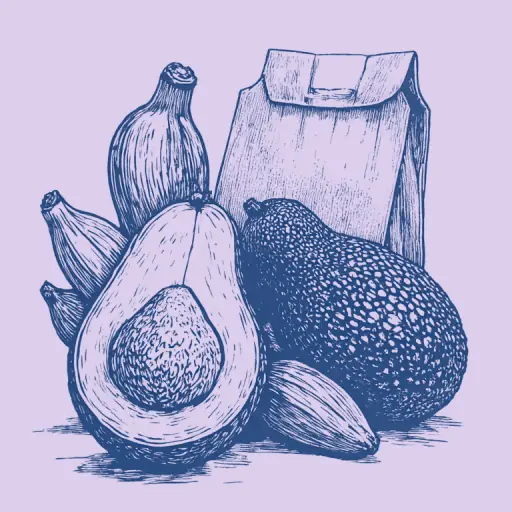
How to Speed Up Avocado Ripening at Home?
- 8 min read
- 57
Avocado has firmly established itself in our diet as a superfood, rich in healthy fats and vitamins. However, finding a perfectly ripe, soft fruit in the store is a real lottery. Most often, the shelves hold fruits as hard as stone, which are harvested unripe for easy transportation.
What if you want to make creamy guacamole or a hearty toast today? Don't despair. There are many proven ways to make avocado ripen: from natural methods over a couple of days to express life hacks that will soften the fruit in just a few minutes. In this guide, we will explore the best culinary tricks that preserve the benefits and taste of your favorite fruit.
How to Determine Avocado Ripeness and Whether It Can Be Eaten Hard
Before starting to speed up ripening, it is important to accurately assess the current state of the fruit. Often, an outwardly attractive fruit turns out to be deceptively hard inside, and an attempt to make a creamy soup or guacamole from it ends in disappointment. Understanding the key signs of ripeness will save you from culinary mistakes and help you decide whether the avocado needs home "treatment" or if it is ready to reveal its rich, buttery flavor.
How to Tell if Avocado is Ready to Eat (Softness and Stem Check)
To accurately determine avocado ripeness, use two simple but reliable tests:
- Softness Test. Gently squeeze the fruit with your whole palm (do not press with your fingertips to avoid damaging the delicate flesh). A ripe fruit should yield softly to pressure but remain firm, quickly regaining its shape. If it is as hard as a rock, it needs time.
- Stem Test. Gently pry and remove the stem at the base:
- Light yellow or green color underneath indicates ideal ripeness.
- Brown tint suggests the fruit is overripe.
- The stem does not detach — the avocado is not yet ripe.
Can Hard Unripe Fruit Be Eaten?
Hard, unripe avocado can be eaten—it is not poisonous and retains healthy vegetable fats and vitamins. However, it will not bring culinary pleasure. Its flesh will be somewhat bitter and grassy in taste, and hard like raw potato. It is unlikely you will be able to peel the skin and carefully remove the pit.
Furthermore, the abundance of complex dietary fiber in an unripe fruit can cause stomach discomfort. If you come across a hard fruit, it is better to set it aside for a couple of days to ripen naturally or use express softening methods.
Natural Ripening Methods (While Preserving Benefits)
To turn a hard, somewhat bitter fruit into soft, buttery flesh, it is best to use natural methods. Unlike aggressive thermal processing, these methods allow you to fully preserve the unique vitamin composition, healthy fatty acids, and subtle nutty aroma of the avocado.
These methods are based on natural biochemical processes, so the fruit ripens evenly and turns out maximally delicious. Let's look at the simplest and safest home options that won't require extra effort from you.
Classic Method: Paper Bag, Banana, and Ethylene Release
The most reliable and gentle way to start the ripening process is to use a regular paper bag. The secret lies in the plant hormone ethylene, which climacteric fruits actively release.
To speed up the process:
- Place the hard avocado in a paper bag.
- Add a ripe banana, apple, or tomato to it (they release ethylene in huge quantities).
- Tightly wrap the edges of the bag and leave it at room temperature.
The paper traps the concentrated gas inside, but unlike plastic, it allows the fruits to "breathe," preventing mold growth. In just 1–2 days, the avocado will become soft and retain all its beneficial properties.
Ripening at Room Temperature in a Dark Place
If you don't have a paper bag or bananas handy, don't worry. It is enough to simply leave the fruit at room temperature in a dry and dark place—for example, in a kitchen cupboard, a desk drawer, or a pantry.
Direct sunlight can dry out the skin and cause uneven browning of the flesh, so a windowsill is not the best choice. In the dark, the fruit will ripen naturally and evenly. This process will take 2 to 5 days. Regularly and gently squeeze the fruit in your palm to check the softness and determine the avocado ripeness in time.
Express Life Hacks: How to Quickly Soften Avocado in Minutes
When guests are already at the door, and the planned guacamole is still waiting because of the rock-hard fruit, classic ripening methods won't save the situation. In such emergency situations, culinary tricks come to the rescue, allowing you to soften the avocado in just a few minutes.
These express life hacks are based on controlled thermal exposure. Under the influence of heat, the fruit fibers instantly soften. Although this process may slightly change the original taste and texture of the avocado, for making sauces, pastes, and dressings, this compromise will be an ideal and quick solution.
Using a Microwave for Emergency Softening
Let's start with the fastest, yet most compromising method—using a microwave. This method will save you if you need soft flesh right now, for example, to make guacamole or toast spread.
Step-by-step algorithm:
- Preparation: Thoroughly wash the fruit and poke it several times with a fork on all sides to allow steam to escape.
- Heating: Place the avocado on a plate and put it in the microwave. Heat on medium power in 30-second bursts.
- Control: Check the softness after each cycle. Usually, 30–60 seconds is enough to achieve the desired consistency.
Important: Microwaves only heat the moisture inside the fruit, softening the fibers, but they do not make it truly ripe. The avocado's taste may change slightly, so this method is recommended only for dishes with added spices and lemon juice.
Thermal Method in the Oven Using Aluminum Foil
If the microwave seems too aggressive a method for you, the oven and aluminum foil can help soften the fruit more gently. This method allows you to preserve the buttery texture and minimize the loss of flavor qualities.
Step-by-step algorithm:
- Preheat the oven to 90–100 °C.
- Tightly wrap the avocado in aluminum foil in one or two layers to block the released ethylene and heat inside.
- Place the wrap on a baking sheet and put it in the oven for 10–15 minutes (very hard fruits may require up to 20 minutes).
- Remove the fruit, let it cool completely in the foil, and then carefully unwrap it.
What to Do If You Have Already Cut the Hard Avocado
It happens that the knife has already pierced the fruit, and only after cutting do you realize: the avocado is as hard as a rock. Don't panic and don't rush to throw away the halves. Even a cut fruit can be successfully saved and softened if you take the right measures in time and protect the flesh from oxidation.
Below, we will break down the step-by-step algorithm for reviving a damaged fruit, as well as storage rules that will help preserve the product from darkening and spoilage.
Instructions for Saving and Ripening a Cut Fruit
If you have already cut a hard fruit, don't panic—it can still be saved. The main task in this case is to prevent the flesh from darkening due to contact with oxygen.
Rescue plan:
- Protect from darkening. Generously spray both halves with lemon juice, lime juice, or apple cider vinegar. The acid will slow down the oxidation process.
- Rejoin the parts. Put the halves back together. It is best to leave the pit inside—it additionally protects the central part.
- Seal tightly. Wrap the joined fruit tightly in plastic wrap, trying not to leave air bubbles.
- Send for ripening. Place the wrapped avocado in the refrigerator. In 1–2 days, the flesh will become soft and edible.
How to Properly Store Ripe Avocado So It Doesn't Spoil
To prevent ripe avocado from turning into dark mush, transfer it to the refrigerator—the low temperature will slow down the aging process.
- Whole fruit: Place it in a sealed zip-lock bag or the vegetable drawer. This way, it will maintain its perfect texture for 3–5 days.
- Cut ripe avocado: Be sure to leave the pit in the unused half, spray the flesh with lemon or lime juice, and tightly wrap it in plastic wrap "in contact." Store in the refrigerator for no more than 1–2 days.
If you have too many ripe fruits, mash the flesh with a fork, add lemon juice, and freeze it in a sealed container.
Conclusion
The choice of avocado ripening method always depends on your goals and time available. If a soft, creamy texture and maximum benefit are a priority, opt for natural ripening in a paper bag. For emergencies when the dish needs to be served right now, express life hacks with the oven or microwave are excellent. Use these simple culinary tricks, and you will always have perfectly ripe avocado in your kitchen!