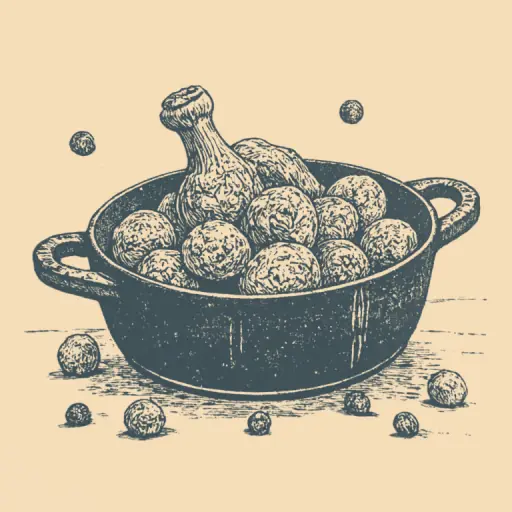
How to Stew Potatoes with Chicken in a Kazan: Step-by-Step Guide for a Perfect Dish
- 25 min read
- 65
A kazan is not just cookware; it is a culinary instrument that carries echoes of ancient traditions and provides ideal conditions for slow, deep cooking. It is in the kazan that you achieve that unique, "home-style" richness of flavor that cannot be replicated in an ordinary pot.
Why a kazan? The main advantage is its thick, often cast-iron bottom. This guarantees even heat distribution across the entire surface, which is critically important for stewing. When stewing potatoes with chicken, we are not just boiling; we are allowing the ingredients to slowly caramelize and interact with the fat and juices.
The kazan allows you to create the perfect balance between searing (when the chicken develops a golden crust) and subsequent slow braising. Thanks to the wide bottom and deep walls, the dish cooks in a single, sealed volume, which promotes the concentration of aromas and the formation of a thick, juicy sauce. This makes the dish not just "stewed," but truly deeply infused with flavor.
Using a kazan is an immersion into an authentic process that turns an ordinary dinner into a ritual.
Section 1: Preparation — The Foundation of a Perfect Dish in a Kazan
We have established that the kazan is the ideal tool for creating a truly deep and aromatic dish. However, even the best kazan cannot save a recipe if the right ingredients are not chosen. This section is dedicated to the foundation of our recipe: from selecting juicy chicken and starchy potatoes to choosing those very spices that will turn a simple stew into a culinary masterpiece. Here, we will determine exactly what we need to make the cooking process as effective and delicious as possible.
Before we even turn on the heat, we must carefully consider every component. We will look at which parts of the chicken are best for stewing, how to cut the potatoes correctly so they cook evenly, and what basic aromatics will serve as the starting point for our dish.
1.1. Ingredient Selection and Preparation: Meat (Fillet/Thigh) and Potatoes (Cutting)
Choosing the right ingredients is 50% of the success of a dish cooked in a kazan. Since we aim for an authentic and rich flavor, the approach to selecting the meat and potatoes must be deliberate.
Chicken Selection:
- Chicken Fillet: Ideal if you want a more tender, quickly cooked dish. However, fillet can become dry if overcooked in the kazan. Pre-marinating (for example, in lemon juice with paprika) is recommended to maintain juiciness.
- Chicken Thighs or Drumsticks: This is our favorite for stewing in a kazan. They contain more fat and connective tissue, which, when slow-braised in the kazan, turns into a juicy, aromatic broth that permeates the potatoes.
Meat Preparation: If you are using thighs, we strongly advise marinating them for at least 20 minutes in a mixture of salt, black pepper, and your favorite herbs (thyme, rosemary). This will enhance the flavor from the start.
Potato Selection and Cutting:
Potatoes must be firm, without green spots or blemishes. The size of the cut is critically important for stewing in a kazan. You should not cut them too small, or they will turn into mash instead of retaining texture.
- Recommended Cut: 3-4 cm cubes. This allows the potatoes to cook evenly, absorbing the broth's aromas, while still maintaining their shape.
- Expert Tip: If you want the potatoes to be more crumbly, you can slightly
1.2. Gathering Necessary Cookware and Ingredients: How to Choose the Right Kazan and Basic Components
After deciding on the meat and potatoes, it is necessary to gather all the auxiliary elements that will turn a simple stew into a culinary masterpiece. Choosing the cookware is not just buying a kazan; it is an investment in authentic flavor. For this dish, a cast-iron kazan is ideal because its thick walls ensure even and slow heating, which is critical for the tenderness of the potatoes and the chicken.
The diameter of the kazan should correspond to the volume of the servings so that the ingredients are not packed too tightly.
Basic components, besides meat and potatoes, include:
- Fat: Butter or vegetable oil (sunflower/rapeseed) for initial searing.
- Aromatic Base: Onion and carrots. They serve not only as a flavor addition but also as a natural thickener for the broth.
- Liquid: Beef or chicken broth, or water. Broth adds depth of flavor, while water adds simplicity.
Do not forget the spices—they set the tone for the entire dish. To start, we will need salt, black pepper, and possibly a bay leaf.
1.3. Basic Aromatics: Selecting Ideal Spices and Sauces for Stewing
For the dish to be truly rich, it is important not just to salt, but to skillfully "charge" it with aromas. The basic spice set should be simple so as not to overpower the delicate flavor of the chicken and potatoes, but it must provide depth.
Classic Starter Set:
- Salt and Black Pepper: The foundation of any stew. Add salt gradually, tasting the broth.
- Bay Leaf: A few leaves will give the dish a traditional, warm aroma.
- Paprika (sweet or smoked): Smoked paprika is a secret ingredient for giving the kazan a "smoky" flavor that pairs perfectly with chicken.
- Dried Garlic: Added along with the liquid for even aroma distribution.
Sauce and Liquid Selection:
For authentic stewing, water or chicken broth is often used. If you want a thicker and richer flavor, consider the following options:
- Tomato Paste: Adding 1-2 tablespoons of tomato paste during the vegetable searing stage (2.1) will give the dish a slight acidity and color. This is a great way to create a sauce base.
- Sour Cream or Yogurt (at the end): If you want a delicate, creamy sauce, it is best to add sour cream after the potatoes are almost cooked so that it does not curdle from strong boiling.
Expert Tip: Do not be afraid to experiment with herbs. Rosemary or thyme added at the very beginning of the stew will unlock the full potential of the chicken.
Section 2: Cooking Stages — Step-by-Step Stewing Instructions
We have prepared all the ingredients and added the basic aromatics, creating the ideal starting platform for our dish. Now the most interesting part begins—the process of transforming raw ingredients into a juicy, aromatic, and perfectly cooked ragout in a kazan. This stage requires attention to detail to achieve that deep flavor that only slow stewing provides.
In this section, we will detail how to correctly perform each step: from the initial searing to precise control of cooking time. We will show how to achieve a golden crust on the chicken, how to cook the potatoes evenly, and how to adjust the heat so that the dish is not just cooked, but truly masterful.
2.1. Searing the Base: The Right Start — Searing Chicken and Vegetables (Onion, Carrot)
The first and most important stage in creating deep flavor is proper searing. You shouldn't just toss the chicken and vegetables into the kazan; you need to create a crust that seals in the juices and gives the dish a rich aroma.
Step 1: Searing the Chicken. Heat vegetable oil in the kazan over medium heat. If you are using chicken drumsticks or parts with skin, sear them until they have a golden, browned crust on all sides. If using fillet, sear until lightly golden so that it does not dry out during stewing. Remove the seared meat from the kazan and set it aside.
Step 2: Sautéing the Vegetables. In the same kazan, using the fat left from the chicken, sauté the chopped onion until translucent. Then add the carrots. Fry, stirring occasionally, until the carrots are soft and slightly caramelized (this will take 5-7 minutes). This stage is critical for sweetness and depth of flavor.
Step 3: Combining. Return the seared chicken to the kazan with the vegetables. Stir quickly to coat the meat with the aromas of the onion and carrots. At this stage, we lay the foundation of the flavor before adding the potatoes and liquid.
2.2. The Process of Layering and Stewing: Step-by-Step Addition of Potatoes, Liquid, and Heat Regime
After the chicken and vegetables have acquired a appetizing golden crust, it is time to add the potatoes. The potatoes, cut into large, even cubes (about 3-4 cm), are carefully placed on top of the seared base. It is important not to overload the kazan; if the portion is too large, it is better to cook in two batches so that the potatoes do not turn into mush but retain their shape.
The next critically important step is adding the liquid. For a classic, juicy stew, use hot chicken broth or water. The liquid should cover the ingredients by about 2/3 of their height. If you prefer a thicker dish, use less liquid.
Heat Regime: After adding the liquid, bring the contents of the kazan to a gentle simmer over high heat. As soon as the liquid boils, immediately reduce the heat to the lowest setting. The stewing must happen slowly, covered, so that the steam distributes the heat evenly. This ensures that the potatoes become not just boiled, but soft and infused with aromas, and the chicken becomes tender.
2.3. Process Control: How Long to Stew Potatoes with Chicken in a Kazan (Timings and Readiness Signs)
After you have carefully added the potatoes and poured the liquid into the kazan, the most responsible stage begins—time control. There is no single "magic" timing, as it depends on the type of potato, the size of the pieces, and the initial temperature, but we will give you clear guidelines.
Standard Timing for Perfect Tenderness:
- For chicken drumsticks or pieces with skin: Stew covered over low heat for 45 to 60 minutes. Denser meat requires more time for the fibers to fully break down.
- For chicken fillet: If you are using tender pieces of fillet, the time is reduced to 30–35 minutes. Fillet cooks faster, and prolonged stewing can make it dry.
- For potatoes: The main sign of potato readiness is that it must become completely soft when pierced with a fork. If you are using large-cut, starchier potatoes, add them slightly earlier than smaller ones.
Signs That the Dish is Ready:
- Potatoes: They pierce easily without resistance. The starch has had time to distribute evenly throughout the dish.
- Chicken: The meat should easily separate from the bone (if using drumsticks) or be completely infused with juice (if fillet).
- Liquid: The sauce should thicken, and excess moisture should be absorbed by the potatoes, turning into a rich broth rather than remaining a liquid puddle.
Expert Timing Tip: Do not rush to lift the lid for the first 30 minutes. Sudden temperature changes can lead to liquid evaporation and uneven cooking. Check for readiness only by slightly lifting the lid so as not to disrupt the thermal regime.
Section 3: Enhancing Flavor and Aroma — Chef's Secrets
We have successfully brought the potatoes to perfect tenderness and given the chicken a deep, rich flavor using the power of the kazan. However, for this dish to become a true masterpiece, it lacks final touches. This section is dedicated to how to move from just a "good" stew to a truly unforgettable culinary experience.
Here, we will reveal the secrets that distinguish a home-cooked meal from a restaurant dish. We will talk about how to finely tune the aromatic palette, how to expand gastronomic horizons without losing the essence, and how to achieve that velvety sauce texture so valued in Russian and Eastern cuisine.
3.1. How to Make Chicken and Potato More Aromatic: Adding Herbs, Spices, and Greens
For the kazan dish to be not just hearty, but truly aromatic, it is necessary to approach the selection of additions intelligently. Aroma is not just spices, but also fresh herbs that release during the slow stewing process.
Classic Set for Flavor Depth:
- Onion and Carrots: If you did not sear them at the beginning, add chopped onion and carrots along with the potatoes. They will release sweetness and form the base of the broth.
- Garlic: Adding 2-3 cloves of garlic at the very end of the stewing (5 minutes before readiness) will give the dish a unique, warming aroma without letting it burn.
- Bay Leaf: An essential element. Add 1-2 leaves to the kazan. It should release its aroma but not dominate.
Spices — Your Personal Accent:
For an authentic, hearty flavor, the following combinations are ideal:
- Mediterranean Style: Oregano, thyme, dried basil. These herbs pair wonderfully with chicken and potatoes.
- Eastern/Caucasian Accent: Paprika (sweet or smoked), turmeric, a pinch of cumin. Smoked paprika will add a smokiness to the dish, mimicking slow braising.
- Basic Universal Mix: Salt, freshly ground black pepper, ground nutmeg (a very small pinch; it enhances the flavor of the potatoes).
Fresh Greens — The Finishing Touch:
It is not advisable to put dill or parsley into the kazan for the entire process. It is best to add them right before serving. Finely chopped dill or parsley, served on top, will provide a bright, fresh contrast to the rich flavor of the stewed meat and potatoes.
3.2. Variation Ideas: Replacing Chicken with Other Meats and Adding Seasonal Vegetables (Mushrooms, Carrots)
Although chicken is a classic, the kazan handles a wide variety of meat and vegetable fillings perfectly. If you want to give the dish a richer, more "meaty" flavor, feel free to substitute the chicken:
- Beef: Use lean beef fillet or shoulder. Beef requires longer stewing (add it during the searing stage, but reduce the potato stewing time by 10-15 minutes, as it cooks longer). It pairs perfectly with rosemary and paprika.
- Pork: Pieces of pork neck or shoulder will give the dish incredible juiciness and aroma. Pork readily absorbs spices, so use garlic and thyme.
- Lamb: For a more authentic,
3.3. Creating a Juicy Sauce: Best Sauce and Thickener Options for Potatoes
The perfect sauce is not just an addition; it is the finishing touch that transforms a simple stew into a restaurant-quality dish. In the context of a kazan, where the dish cooks in its own juices, we aim either to enhance the natural broth or to create a thick, enveloping sauce.
Classic Option (Broth Enhancement):
If you want to maintain authenticity without weighing down the dish, use the 'reduction' technique. After the potatoes are tender, remove the lid and increase the heat. Allow the liquid to evaporate almost completely. At the end, you can add a tablespoon of sour cream or heavy cream (10-20%) for creaminess and a slight tang. This is not exactly a sauce, but rather an emulsion that coats the potatoes.
Creamy-Mushroom Accent:
For a richer flavor that pairs wonderfully with chicken, prepare a quick cream-based sauce. Sauté a few mushrooms (if you added them in step 3.2), add 150 ml of heavy cream (20%+) and some broth from the kazan. Bring to a boil, season with salt and pepper, and pour this mixture into the kazan 5 minutes before serving. This will add depth to the dish.
Tomato Brightness (for Zest):
If you prefer a brighter, Mediterranean, or Eastern flavor, use tomato paste. After the chicken is seared, add 2-3 tablespoons of quality tomato paste, heat it for 2 minutes, and then pour in water/broth. Stew as usual. At the end, you can add a pinch of dried oregano or basil.
Thickeners for Body:
If you want the sauce to be thick but do not want to use cream, use flour or starch. Dissolve 1 teaspoon of cornstarch in a small amount of cold water. When the potatoes are almost done, pour this solution into the kazan in a thin stream while stirring constantly, and cook for 1-2 minutes until the sauce thickens.
Section 4: Expert Tips — Mastering the Kazan
You have mastered all the stages—from perfect searing to creating a juicy sauce. But a true chef knows that cooking in a kazan is not just about a recipe; it is an art of fire management. This section is dedicated to the subtleties that will turn a simple dish into a culinary masterpiece. We will explore how to achieve the perfect texture, how to avoid common kitchen mistakes, and how to present your creation effectively.
Here, we move from following instructions to true mastery. You will learn how to finely tune the thermal energy so that the potatoes become not just soft, but melt-in-your-mouth, and how to turn an ordinary dinner into a festive treat.
4.1. Mastering the Fire: How to Properly Control Heat in the Kazan for Even Stewing
Working with a kazan is not just cooking in cast iron; it is a dialogue with the fire. Incorrect temperature control can turn a delicate stew into a charred lump.
Principle of Even Heating:
- Initial Stage (Searing): Start over medium or medium-high heat. The goal is to quickly and evenly brown the chicken and vegetables, creating a crust (Maillard reaction), not just to boil them in oil. If the heat is too high, the fat may smoke, and the meat will burn before it has a chance to sear.
- Stewing Stage (Lid On): As soon as you add the liquid and cover the kazan, immediately reduce the heat to the absolute minimum. The stewing should occur in a slow, steady simmer, not a boiling torrent. This allows the aromas to develop and the potatoes to absorb the juices evenly.
- Control After Adding Potatoes: Potatoes, being denser, require more stable heat. If you notice the bottom of the kazan starting to brown too much,
4.2. Troubleshooting Beginner Mistakes: What to Do If the Potatoes Burn or Don't Soften
Even if you have mastered heat control, mistakes happen. The main thing is to know how to correct them quickly so that your kazan dish doesn't turn into a charred lump. Let's look at the most common problems beginners face when cooking potatoes with chicken.
- Potatoes Burned on the Bottom: This is a classic sign of too high heat during the stewing stage. If you notice dark spots, do not panic. Immediately reduce the heat to the absolute minimum. If the burning is minor, you can carefully lift that section with a spatula and remove it. To prevent this in the future, ensure the liquid covers the bottom of the kazan and is not just evaporating.
- Potatoes Are Not Soft: If the stewing time has passed and the potatoes are still hard, it means they haven't had time to absorb moisture and soften. Do not add a lot of water immediately, or the dish will become watery. Instead, cover the kazan and let it 'finish' on the lowest heat for another 10-15 minutes. If the liquid has completely evaporated, add just a couple of spoonfuls of hot broth or water.
- The Dish Became Too Liquid: If you have reached the desired tenderness but the sauce is too thin, do not just add flour. The best way is to remove the lid and increase the heat to medium. Stir the contents actively so that the liquid evaporates evenly, turning into a thick, enveloping sauce. This allows you to preserve the flavor without overloading the dish with thickeners.
Remember that the kazan is a tool for slow, gentle cooking. If you notice the dish starting to 'float' in the liquid instead of stewing, it is a signal to immediately correct the heat setting.
4.3. Serving Variations: How to Beautifully and Deliciously Serve the Dish and What to Complement It With
Plating the dish is not just a final touch; it is part of the culinary art that transforms a simple hearty meal into a culinary masterpiece. Since we cooked in a kazan, we already have an authentic base, but the final presentation can give the dish a completely new look and flavor.
Classic and Home-Style Serving:
The simplest and most heartfelt way is to serve the dish directly in the kazan it was cooked in. This emphasizes rusticity and tradition. Add fresh, coarsely chopped herbs (dill, parsley) right before serving. This will not only add a bright color but also invigorate the aroma.
Elegant Variations:
If you are cooking for guests, consider the following techniques:
- Sauce Base: If the sauce has become thick, you can slightly thin it with a small amount of hot chicken broth or sour cream (for a milder flavor). Serve the potatoes and chicken drizzled with this sauce.
- Texture Contrast: To add sophistication, separately fry a few slices of fresh white onion in butter until golden brown and place them on top of the portion. This will add a crunchy texture.
- Freshness: Be sure to complement the hot dish with a fresh salad. A light salad of fresh cabbage with apple and a dressing of lemon juice and olive oil is ideal. The acidity of the salad perfectly balances the rich flavor of the stewed meat and potatoes.
Ideas for Accompaniments (Side Dishes and Sauces):
To make the meal complete, do not forget side dishes that will not overpower the flavor of the main course:
- Sour Cream or Yogurt: A classic, cool contrast. Serve with a spoonful of sour cream and dill.
- Sauerkraut: For lovers of a more tangy and sour taste, sauerkraut is the perfect companion. It pairs wonderfully
Section 5: Recipe Adaptation — From Tradition to Speed
We covered the classic, authentic way to cook potatoes with chicken in a cauldron, from choosing spices to controlling the heat. However, culinary art knows no bounds, and this recipe can be adapted to suit any of your needs. If you are in a hurry, or conversely, want to give the dish a unique regional character, this section will be your guide.
Here, we will look at how to speed up the process without sacrificing flavor, as well as how to transfer this recipe to other culinary traditions. Furthermore, we will compile answers to the most frequently asked questions so that you can confidently cook the dish, even if you have no experience.
5.1. Quick Option for Busy People: 'Express Stewing' Recipe (Time-Saving)
If you do not have time for the long, slow stewing process that requires constant heat control, we have prepared an 'express stewing' option for you. This method allows you to get a flavorful and hearty dish in minimal time without sacrificing taste.
Express Recipe (35-40 minutes):
- Preparation: Take chicken drumsticks or fillet (about 500g) and cut into large pieces. Cut the potatoes (1 kg) into medium cubes. Cut the onion and carrots for quick frying.
- Quick Searing: In a well-heated cauldron with a small amount of oil, sear the chicken until golden brown (about 7-10 minutes). This will seal in the juices.
- Aromatic Base: Add the onion and carrots. Sauté until they become soft and translucent (5 minutes).
- Adding Ingredients and Liquid: Add the potatoes. Pour in hot chicken broth or water until it almost covers the ingredients (about 300-350 ml). Add salt, pepper, and your favorite dried herbs.
- Stewing on High Heat: Bring to a boil, then reduce the heat to medium and simmer covered for 20-25 minutes. Check the potatoes for doneness—they should be soft, and the liquid should be almost completely absorbed or thickened.
Expert Tip for Speed: To reduce the cooking time for the potatoes, use faster-cooking varieties, or pre-blanch the cut potatoes in boiling water for 5 minutes before adding them to the cauldron.
5.2. Regional Delicacies: Adapting the Recipe to Local Culinary Traditions
The basic recipe for potatoes with chicken in a cauldron is a universal starting point, but true mastery is shown in the ability to adapt it to local culinary traditions. Each cuisine carries its own unique set of spices, sauces, and techniques that will turn a simple stew into a gastronomic event.
Eastern European Accent (Poland, Ukraine):
If you lean towards richer,
5.3. Frequently Asked Questions: Complete Guide to Ingredient Substitutions and Cooking Nuances
Many of our readers ask practical questions that arise directly during the cooking process. We have compiled answers to the most common inquiries so that your experience cooking 'Potatoes with Chicken in a Cauldron' is flawless.
Ingredient Substitutions: Recipe Flexibility
If you do not have chicken or want to diversify the menu, the cauldron adapts perfectly to other proteins.
- Meat: Beef (especially shoulder or brisket, as they hold their shape well during long stewing) or pork are ideal substitutes for chicken. When replacing meat with a fattier cut, reduce the amount of added liquid, as the fat will render out on its own during cooking.
- Fish: For a lighter and more refined option, you can use white fish fillet (such as cod or pike perch). In this case, you do not need to sear the meat; simply fry the onion and carrots, add the fish, and simmer in the broth.
- Vegetarian Option: Completely exclude meat and use mushrooms (champignons or wild) to give the dish a rich 'meaty' flavor. Add more lentils or chickpeas for substance.
Spices and Flavorings: How Not to Overdo It
The main secret to aroma is balance. If you are afraid the dish will be bland, do not immediately add a dozen spices. Start with a base, and then build complexity:
- Basic Trio: Salt, freshly ground black pepper, and paprika (sweet or smoked). Smoked paprika gives that signature 'cauldron' smoky note.
- Deepening Flavor: For a more complex profile, add dried thyme, rosemary, or a little turmeric. Thyme pairs excellently with chicken and potatoes.
- Avoid: Too many pre-mixed seasonings, as they often contain flavor enhancers that can overpower the natural taste of the vegetables and meat.
Timing and Consistency: When is Everything Done?
The question 'How long to stew?' has no single answer; it depends on the cut and type of meat. However, there are clear markers:
- Potatoes: If you use a medium cut (2-3 cm), the stewing time after adding the potatoes is 30–40 minutes. Check for doneness with a fork—it should enter without resistance.
- Liquid: If the liquid has completely evaporated, but the potatoes are still hard, it means you need to either add a little hot broth or cover the cauldron and reduce the heat to a minimum to finish the process 'in steam.'
- Sauce: If you want a thick sauce, a thickener (such as 1-2 tbsp of flour mixed with cold water) is added at the very end, 5 minutes before turning off the heat, while stirring constantly.
Conclusion: The Perfect Dish in Every Cauldron
We have gone from choosing the perfect cauldron to the subtleties of aromatization and variations. Now that you have mastered all the stages of preparation, it is time to solidify the knowledge gained and understand how this recipe fits into your daily culinary life. The perfect dish is not only about impeccable taste but also its adaptability.
Your Cauldron, Your Rules: Final Accents
Remember that a kazan is not just cookware; it is a tool that allows you to achieve a deep, slow braise unattainable in a regular pot. If you want your dish to always turn out perfectly, whether you are in a hurry or enjoying a long dinner, follow these final principles.
- Consistency is Key to Success: If you find the sauce is too thin, do not rush to add starch. It is best, as we discussed earlier, to remove the lid and increase the heat, allowing excess moisture to evaporate. This will not only thicken the sauce but also concentrate all the aromas.
- Checking for Doneness: Do not rely solely on the timer. Pierce the potato with a knife or fork. If it goes in easily, it is done. If the meat has become tender and easily separates from the bone (if you are using drumsticks), the braising is complete.
- Serving as Part of the Dish: Do not forget that the presentation is the finishing touch. Serve the potatoes with chicken hot, generously sprinkled with fresh herbs (dill, parsley) and, if you wish, with a spoonful of sour cream or natural yogurt. This will add freshness and contrast to the rich flavor of the braise.
From Classic to Speed: When Time is Golden
For those who value time but do not want to sacrifice flavor, we have prepared several strategies. If you do not have an hour for slow braising, use the 'express braising' method (see Section 5.1). The main thing in this variation is to use diced, rather than large slice, ingredients to speed up heat transfer.
Expert's Final Word
Cooking potatoes with chicken in a kazan is not just following a recipe. It is a ritual that combines the simplicity of ingredients with the depth of flavor that the right heat and time provide. Do not be afraid to experiment with herbs, change the type of potato, try different cuts of chicken. Every kazan, every kitchen, and every cook brings their unique note to this classic dish. Allow this aroma to be filled with your personal culinary touch. We wish you enjoyment with every bite of this perfect, hearty, and authentic dish!