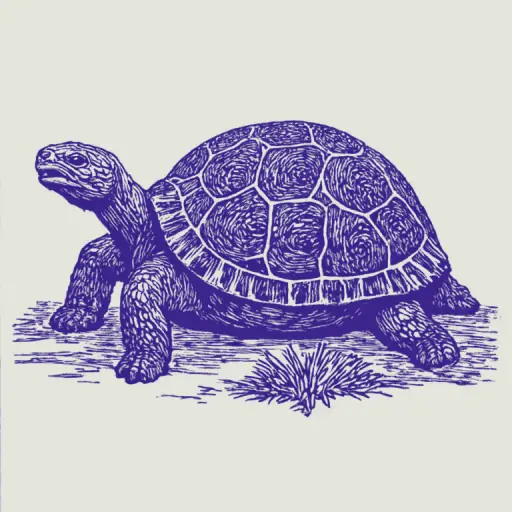
How to Tell if a Tortoise Has Truly Died
- 6 min read
- 62
Domestic tortoises are amazing creatures whose apparent impassivity often frightens and confuses owners. When a pet suddenly freezes, stops responding to stimulation, or hides in its shell, the first thought is always the scariest: "Is this the end?"
It is important to understand that signs of tortoise death can mimic natural resting cycles, such as aestivation (summer dormancy) or hibernation. Misdiagnosis at this time can lead to unnecessary stress and panic. Our goal is to learn how to distinguish deep sleep from irreversible decline by understanding the physiology of these cold-blooded reptiles.
This guide is structured around the principle of "Understanding $\rightarrow$ Observation $\rightarrow$ Action," so you can turn a worrying observation into a conscious diagnostic protocol. Remember: your attentiveness is the first step toward the right decision.
Block 1. Differential Diagnosis: Distinguishing from a Resting State
The most common question owners ask is: "Is this hibernation or death?" The answer lies in a detailed study of behavioral patterns and physiological responses.
"Is This Hibernation?" Clear Signs of Natural Activity Slowdown (Aestivation/Hibernation)
Tortoises can indeed enter periods of reduced activity, especially under unfavorable external conditions. This is not the same as death.
Signs of Potential Sleep or Rest:
- Seeking Shelter: The tortoise may burrow deep under substrate or into its shell—this is a survival instinct. This is a normal reaction if it lacks warmth or feels threatened.
- Activity Slowdown: During periods of low temperature (especially autumn/winter), metabolism slows down. The tortoise may remain motionless for extended periods.
- Cyclicality: If, after a period of rest, the tortoise shows signs of waking up when conditions improve (increased temperature and humidity)—this is a good sign! 🟢
Important to remember: Aestivation/hibernation requires the correct temperature regime. If the animal does not emerge from this state when conditions normalize, it is a cause for concern.
Diagnostic Protocol: Vitality Tests (Reaction Check, Tactile Sensation)
If you suspect the tortoise is just sleeping, but the time for worry has arrived, use this protocol. Act with maximum caution to avoid causing stress.
Step 1: Environmental Assessment (Primary Condition)
- Check the temperature in the terrarium and the room. The ideal range for most terrestrial species is 24°C to 30°C, with a temperature gradient. If the temperature is too low, the animal may simply be hypothermic.
- Ensure there are no drafts and that humidity levels are adequate (if relevant to the species).
Step 2: Tactile Stimulation (Reaction Check)
- Limb Examination: Gently lift a front leg or the head. A living animal, even in torpor, often shows minimal muscle tone or an attempt to pull the limb away. If the limbs appear "limp" and lifeless—this is a warning sign.
- Gentle Touch: Try to very gently touch the snout or flank area. A living specimen, even if stressed, may react with a micro-movement (a twitch, muscle tension). The absence of any reaction to light touch is a serious marker.
Step 3: Reflex Check (If Possible)
- Try to gently press on the cloacal area or slightly pull the edge of the shell. The animal may attempt to straighten up or pull away. A complete lack of reaction to stimulation is what requires immediate specialist consultation.
⚠️ Warning: If the tortoise is in a state of deep rest, it may be cold and motionless. Do not confuse hypothermia with the absence of life! 🌡️
Block 2. Signs and Stages of Decline: How Loss of Life Manifests
If the diagnostic protocol yields no positive results, it is necessary to consider signs that indicate an irreversible process.
Physical Markers of Lethal Outcome (Changes in Shell Appearance, Limbs)
As the condition worsens, the animal loses the ability to maintain metabolism and tissue integrity. Pay attention to the following changes:
- Skin: If the skin looks wrinkled, unnaturally pale, or shows signs of necrosis (darkening/peeling), this indicates a serious systemic failure.
- Shell: Although the shell itself is not an indicator of life, its condition can be telling. If there is obvious rotting of the edges or detachment, it is a sign of tissue decomposition.
- Limbs: Limp limbs that remain in an unnatural position for a long time and do not react to attempts to straighten them—this is one of the most alarming physical markers. A living animal maintains muscle tone even in a state of stupor.
Signs of Complete Organ Failure (Lack of Response to Stimulation, Inadequate Condition)
These are complex signs that cannot be ignored:
- Complete Apathy: The tortoise does not react to changes in light, your voice, or tactile contact.
- Absence of Natural Processes: Lack of signs of defecation or urination for a prolonged period (unless related to illness).
- Coldness and Weight: If the animal remains unnaturally cold to the touch, despite attempts to warm it in a safe place, this may indicate the cessation of internal processes.
Summary Table: What to Observe?
| Sign | Probable Explanation | Required Action |
|---|---|---|
| Immobility in the cold | Sleep/Hypothermia | Increase temperature (controlled) |
| No reaction to touch | Critical symptom | Consult a herpetologist veterinarian |
| Limp, lifeless limbs | Irreversible state | Specialist evaluation |
Block 3. Prevention and Emergency Measures: How to Prevent Death
The best way to know a tortoise will not die is to provide it with ideal living conditions. Understanding causes of tortoise death at home always comes down to care mistakes.
Analyzing Causes of Decline: Owners' Main Mistakes (Temperature Regime, Nutrition, Illnesses)
Remember: tortoises are cold-blooded animals. Their physiology is entirely dependent on external factors.
- 🌡️ Temperature Regime: This is a critical factor! Insufficient warming leads to metabolic collapse, while overheating can cause heatstroke. Always maintain temperature gradients appropriate for your species.
- 🥗 Nutrition: Tortoises are not meant for human diets (bread, milk). Improper nutrition leads to digestive disorders, vitamin deficiencies, and kidney problems—frequent causes of death. Feed strictly according to the recommendations of a herpetologist veterinarian.
- 💧 Hygiene: Stagnant water or dirty substrate promotes the development of fungal infections and respiratory diseases.
What Parents Should Do: When is a Veterinarian Needed? The Consultation Process and Euthanasia as a Responsible Step
When to call a specialist: If, after 12-24 hours of correcting conditions (heat, humidity, nutrition), the tortoise remains lethargic, does not respond to stimulation, or its condition worsens—this is a reason to visit a herpetologist veterinarian.
Consultation Process: The veterinarian will perform an examination, assess hydration and body temperature. They will help distinguish deep sleep from pathology.
Euthanasia as a Responsible Step: This decision is made only in extreme cases: when the animal suffers from incurable chronic illness (such as severe kidney failure) or injury, and prolonging life would equate to suffering. This issue must be discussed with a veterinarian who assesses the quality of the pet's remaining life.
Conclusion: Self-Care and Accepting Loss (Owner Psychological Support)
Losing a beloved pet is always grief. Do not try to "analyze" your care to avoid the pain. The signs of tortoise death often make us feel guilty ("What did I do wrong?").
It is important to remember: you did everything you could based on the knowledge of your time and understanding of the species' biology. Caring for reptiles requires constant learning. If you are struggling to cope with the grief, reach out to friends or mental health professionals. Allow yourself to go through this process. 💚