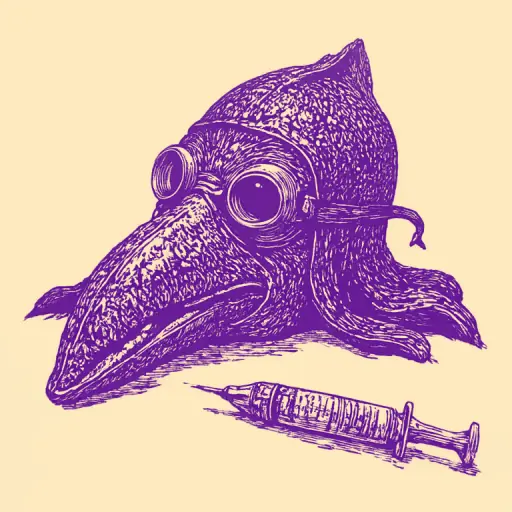
How to Treat Plague in Humans According to Modern Medical Protocols
- 14 min read
- 74
Plague is one of the most formidable infectious diseases in human history, caused by the bacterium Yersinia pestis (plague bacillus). In past centuries, 'Black Death' epidemics claimed millions of lives; however, today, thanks to advances in evidence-based medicine, plague is no longer a death sentence. Modern medical protocols allow for successful treatment of this disease if therapy is initiated in a timely manner.
The effectiveness of combating plague infection directly depends on the speed of the response: without treatment, pulmonary or septic forms almost inevitably lead to a fatal outcome, whereas timely administration of antibiotics reduces mortality to a minimum. In this guide, we will detail how to treat human plague in modern conditions, which drugs (such as doxycycline and ciprofloxacin) form the basis of therapy, and how emergency prophylaxis and quarantine measures are conducted to prevent the spread of the infection.
Suspected Plague: Emergency Actions and Diagnosis
The success of therapy when plague bacillus (Yersinia pestis) infection is suspected depends directly on the speed of reaction of both the patient and the medical staff. Since this disease is classified as a highly dangerous infection, any delay can have fatal consequences. Timely recognition of the threat and immediate launch of diagnostic protocols allow for the localization of the focus and the saving of the patient's life. In this context, it is critically important to understand which alarming signs of the body should be prioritized and how modern medicine verifies this dangerous diagnosis in a laboratory setting. The correct initial course of action minimizes the risks of infection generalization and prevents its further spread.
First Signs and the Need for Immediate Medical Attention
Plague develops rapidly, and its incubation period is usually from 1 to 7 days. The initial symptoms are non-specific and resemble a severe flu:
- Sudden rise in body temperature to 39–40 °C and severe chills;
- Severe headache, pronounced weakness, and muscle aches;
- Nausea, vomiting, and increasing psychomotor agitation or, conversely, lethargy.
Specific symptoms depend on the form of the infection. In bubonic plague, an extremely painful lymph node conglomerate (bubo) appears within the first day, most often in the inguinal or axillary region. In pulmonary form, shortness of breath, chest pain, and cough with frothy bloody sputum develop rapidly.
If pulmonary plague is suspected, it is critically important to start treatment within the first 15 hours of the onset of the disease. Any delay or attempt at self-treatment is life-threatening. Upon the first symptoms, emergency medical services must be called immediately, contact with others must be minimized, and doctors must be informed of the possible presence in an endemic focus.
Key Stages of Laboratory Diagnosis
Laboratory confirmation of plague is conducted in specialized laboratories with the highest level of biosafety. The process of verifying the pathogen (Yersinia pestis) includes three key stages:
- Biomaterial Collection. Depending on the clinical form of the disease, the patient undergoes aspiration of a bubo, sputum collection, throat swabs, blood draw, or cerebrospinal fluid collection.
- Rapid Diagnostics (Result in 1–2 hours). This includes microscopy of smears stained with Gram or Weigert stain (identifies characteristic Gram-negative bacteria in the form of an 'English pin'), as well as PCR tests to detect Yersinia pestis DNA and immunochromatographic analysis for F1 antigen.
- Bacteriological Culture. Culturing the pathogen on nutrient media is the 'gold standard' of diagnosis. This method allows for final confirmation of the diagnosis and determination of the strain's sensitivity to antibiotics.
Sample collection is performed before the start of antibiotic therapy, but drug administration begins immediately, without waiting for the results of laboratory tests.
General Principles of Plague Treatment: Foundations of Modern Protocols
Successful control of plague infection directly depends on the speed of clinical decision-making. Modern medical protocols require the immediate initiation of etiological therapy at the slightest suspicion of infection, often even before receiving final laboratory results. This aggressive approach is due to the lightning-fast progression of the disease, especially its pulmonary and septic forms, where the therapeutic window is extremely limited.
The basis of patient management is systemic antibacterial therapy aimed at the complete eradication of the pathogen—the plague bacillus (Yersinia pestis). Unlike historical eras, modern medicine possesses clear standardized algorithms that allow not only for saving the patient's life but also for preventing debilitating complications, moving this highly dangerous infection into the category of fully controllable pathologies.
Goals of Therapy and the Importance of Early Treatment
Modern plague treatment protocols set three main goals for clinicians:
- Pathogen Eradication: Rapid suppression of the life of the Yersinia pestis bacterium in the body.
- Prevention of Process Generalization: Preventing the transition from the local (bubonic) form to the life-threatening secondary pulmonary or septic form.
- Control of Intoxication: Combating the systemic inflammatory response and preventing septic shock.
The time factor plays a decisive role. If pulmonary plague is suspected, therapy must begin within the first 12–15 hours of the onset of initial symptoms. A delay of even a few hours exponentially increases the risk of a fatal outcome, which approaches 100% without treatment.
Therefore, the gold standard of modern medicine is the immediate empirical prescription of antibiotics upon the slightest clinical and epidemiological suspicion, without waiting for laboratory verification of the pathogen.
Selection and Administration of First-Line Antibiotics
Modern plague treatment protocols are based on the immediate use of highly effective antibacterial drugs capable of rapidly suppressing the life of Yersinia pestis. The traditional first-line antibiotic groups include:
- Aminoglycosides: Streptomycin (historical standard of therapy) and Gentamicin. They possess powerful bactericidal action and are most effective in severe infection, including pulmonary and septic forms.
- Tetracyclines: Doxycycline. Widely used for moderate bubonic plague and for continuing therapy after the patient's condition stabilizes.
- Fluoroquinolones: Ciprofloxacin and Levofloxacin. These modern drugs demonstrate high efficacy and are often recommended by international protocols (WHO, CDC) due to good tolerability and availability.
At the initial stage of therapy, intravenous administration of drugs is preferred to rapidly achieve therapeutic concentrations in the tissues. After stabilizing the temperature and improving the patient's general condition, a switch to oral intake may be possible. The standard course of treatment is no less than 10–14 days until complete confirmation of pathogen elimination.
Specific Treatment for Different Forms of Plague
Although the general principles of antibiotic therapy are the same for all cases of infection with the plague bacillus (Yersinia pestis), the clinical form of the disease dictates its own strict rules. The choice of specific therapeutic regimens, dosages, and supportive care methods directly depends on how the infection manifests in the patient's body.
The bubonic, septic, and pneumonic forms of plague have fundamentally different rates of progression and degrees of threat to life. If the focus is on preventing the generalization of the process in localized lymphatic system lesions, then in cases of lung involvement or systemic sepsis, emergency intensive care in a resuscitation setting is required. We will examine the specifics of managing patients with each of these clinical forms.
Therapy for Bubonic and Septic Plague
Treatment for bubonic and septic forms of plague requires the immediate initiation of etiological therapy to prevent the generalization of the process and the development of infectious-toxic shock.
Bubonic Plague Therapy
For the bubonic form, the drugs of choice are aminoglycosides (streptomycin or gentamicin) in combination with tetracyclines (doxycycline) or fluoroquinolones (ciprofloxacin). Local treatment of buboes requires caution:
- Dry heat or warming compresses are applied to reduce pain syndrome.
- Surgical incision of the bubo is performed only upon the appearance of fluctuation (abscess formation).
- All used dressing materials must be incinerated.
Septic Plague Treatment
The septic form is characterized by a lightning-fast course and requires immediate hospitalization in an intensive care unit. Treatment includes:
- Intravenous antibiotic administration: combinations of gentamicin, doxycycline, or third-generation cephalosporins (ceftriaxone) are used.
- Massive detoxification: intravenous infusion of saline and colloid solutions.
- Anti-shock measures: administration of glucocorticoids and vasopressors when blood pressure drops.
Timely initiation of therapy in the bubonic form reduces mortality to 5–10%, whereas in the septic form, the prognosis remains extremely unfavorable without emergency intervention.
Pneumonic Plague Treatment: Features and Intensive Care
Pneumonic plague is the most severe and contagious form of the disease, requiring immediate transfer of the patient to an intensive care unit (ICU) in a negative pressure room. The main factor for survival is the initiation of etiological therapy within the first 12–15 hours of the onset of pulmonary symptoms.
The modern intensive care protocol includes:
- Emergency intravenous antibiotic therapy: The drugs of choice are aminoglycosides (streptomycin or gentamicin), often in combination with fluoroquinolones (ciprofloxacin) or doxycycline.
- Prevention of infectious-toxic shock: Before starting massive antibiotic therapy, glucocorticoids (prednisolone) are administered intravenously to reduce the reaction to endotoxins released upon the death of the plague bacillus.
- Respiratory support: Oxygen therapy, and if respiratory failure and respiratory distress syndrome develop, immediate transfer to mechanical ventilation (MV).
- Detoxification: Infusion of saline and colloid solutions under strict hemodynamic control.
Treatment is carried out while strictly adhering to epidemiological control measures by the staff.
Emergency Prophylaxis and Epidemiological Measures
Localizing the plague focus and preventing its further spread is a critically important stage in combating the infection. Since the plague bacillus has extremely high contagiousness, successful containment of an outbreak is impossible without prompt epidemiological actions. Modern protocols provide for a strict set of measures aimed at protecting individuals at risk of infection and breaking the pathogen transmission routes. These measures are divided into two key areas: preventive drug protection for contacts and strict administrative and sanitary restrictions, including isolation. Timely deployment of these measures allows for complete control of the situation and prevents a single case from escalating into a large-scale epidemic.
Protocols for Emergency Antibiotic Prophylaxis for Contacts
Emergency antibiotic prophylaxis (preventive therapy) is immediately prescribed to all individuals who have had confirmed or probable contact with a plague patient (especially with the pneumonic form), their belongings, or infected material. The main goal of this measure is to destroy the plague bacillus (Yersinia pestis) during the incubation period, preventing the manifestation of the dangerous disease.
According to modern WHO protocols and national guidelines, the standard course of preventive therapy lasts from 5 to 7 days. The first-line drugs for adults are:
- Doxycycline: 100 mg orally twice a day.
- Ciprofloxacin: 500 mg orally twice a day.
Other fluoroquinolones (such as ofloxacin) or sulfonamides may be used as alternatives. For children, pregnant, and breastfeeding women, dosages and drug selection are adjusted by the physician based on the safety profile.
Antibiotic intake must always be combined with medical monitoring and twice-daily temperature checks. If there is the slightest increase in body temperature or the appearance of other symptoms, the person must be immediately hospitalized for full-scheme treatment.
Quarantine Measures and Isolation
Upon detection of a plague patient or a suspected case, strict anti-epidemic and quarantine measures are immediately implemented. Their nature directly depends on the clinical form of the disease:
- Patient Isolation: Patients suspected of having pneumonic plague must be immediately hospitalized in individual negative-pressure rooms with a specialized ventilation system to prevent aerosol spread of the plague bacillus. For bubonic plague, standard isolation is applied while observing strict contact precautions.
- Quarantine for Contacts: All individuals in close contact with a patient with pneumonic plague are isolated in provisional hospitals for a period of at least 6 days (the standard incubation period) from the last contact. They are subject to round-the-clock medical monitoring with twice-daily temperature checks.
- Staff Work Regime: Medical workers are required to use specialized protective suits (Type I anti-plague suits or their modern equivalents with FFP3 respirators and protective goggles).
- Disinfection at the Focus: Continuous routine and terminal disinfection, as well as disinsection to eliminate fleas and deratization to combat rodents, are performed in the patient's rooms and areas of stay.
Prognosis in Plague and the Importance of Supportive Therapy
After all measures for isolating the patient and localizing the infection focus have been taken, the immediate fight for the patient's life and subsequent recovery comes to the forefront. Modern medicine has made a colossal breakthrough: plague, which once claimed millions of lives, is now successfully treatable. However, the ultimate success of therapy depends not only on the timely eradication of the plague bacillus with antibiotics but also on the quality of supportive care, which helps the body cope with severe intoxication and multiple organ failure.
In this section, we will examine how the timing of therapy initiation determines the chances of recovery, as well as the role of comprehensive care and rehabilitation in preventing dangerous complications and returning the recovered person to a full life.
Impact of Early Treatment on Outcome and Mortality Reduction
The timing of etiological therapy is a key factor determining the prognosis for a patient infected with plague. Without timely intervention, the plague bacillus (Yersinia pestis) rapidly multiplies, overcoming the body's defense barriers and causing severe intoxication.
Survival statistics clearly demonstrate the critical importance of time:
- Bubonic Plague: Without treatment, the mortality rate is about 50–60%. Timely application of modern antibiotics reduces this rate to 8–12%, and with the earliest possible start, to 1–5%.
- Pneumonic and Septic Forms: These forms are virtually 100% fatal without therapy. For pneumonic plague, the "golden window" for starting treatment is only 15–24 hours from the onset of the first symptoms (fever and cough). If therapy is started after this period, saving the patient is extremely difficult due to the rapid development of septic shock and multiple organ failure.
Early administration of antibacterial drugs stops the dissemination of the pathogen through the bloodstream, preventing the transition from a local form to a generalized one. This is why modern protocols require starting treatment immediately upon suspicion of infection, without waiting for laboratory test results.
Post-Recovery Patient Care and Complication Prevention
The recovery period (convalescence) after plague requires close medical monitoring, as severe intoxication places a colossal load on all body systems. Discharge from the hospital is permitted only after complete clinical recovery and obtaining three negative bacteriological test results (sputum for pneumonic form, bubo contents for bubonic form).
The main areas of rehabilitation and complication prevention include:
- Cardiovascular System Monitoring. Plague bacillus toxins can cause toxic cardiomyopathy. Patients are prescribed bed rest throughout the febrile period. Increased physical activity is gradually introduced, strictly under ECG, pulse, and blood pressure monitoring.
- Diet Therapy. A light diet (Diet No. 2) is prescribed during treatment and at the beginning of recovery to reduce the load on the digestive tract. As the patient recovers, they are transitioned to a general, complete diet (Diet No. 15).
- Prevention of Secondary Infections and Asthenia. Due to pronounced immunodeficiency after the illness, it is important to avoid exposure to cold. Patients are advised to gradually restore physical activity to combat post-infectious asthenic syndrome.
- Outpatient Monitoring. Recovered individuals are subject to mandatory observation by an infectious disease specialist and a cardiologist for several months to rule out delayed neurological and cardiological pathologies.
Timely monitoring of internal organ status during the rehabilitation period allows for full recovery of health and avoidance of disability.
Conclusion
Modern medicine has made a colossal breakthrough in combating one of the most dangerous infections in human history. Plague, which for centuries was associated exclusively with a death sentence and devastating pandemics, is now successfully treatable. The main factor for patient survival remains time: the timely recognition of the first symptoms and the immediate start of etiological therapy with first-line antibiotics (such as doxycycline, ciprofloxacin, or streptomycin) allow mortality to be reduced to minimal levels.
Effective control over the spread of the plague bacillus (Yersinia pestis) in the 21st century is based on strict adherence to medical protocols:
- Early Diagnosis and Therapy: Starting antibiotic intake within the first 15 hours of symptom onset (especially with pneumonic form) is a critical condition for saving a life.
- Strict Anti-epidemic Measures: Isolating patients in specialized rooms, implementing quarantine measures, and disinfecting infection foci prevent the large-scale spread of the disease.
- Emergency Prevention: Preventive administration of antibacterial drugs to individuals who have been in contact with the sick effectively breaks the chain of infection.
Although natural foci of plague still exist in some regions of the world, coordinated action by infectious disease specialists, epidemiologists, and adherence to WHO standards ensure public safety. Vigilance when visiting endemic areas, timely seeking of qualified help, and refusal of self-medication allow humanity to keep this particularly dangerous infection under reliable and constant control.