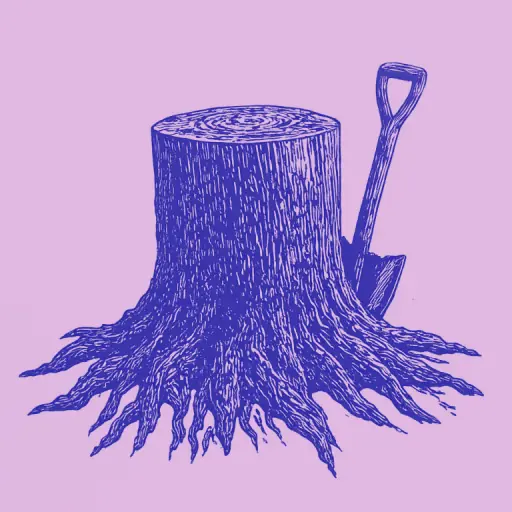
How to quickly and easily uproot lilac bushes from a plot?
- 15 min read
- 70
Lilac is a true decoration for the spring garden, but over time, this ornamental shrub can turn into an aggressive invader. An overgrown root system and endless lilac suckers can quickly take over the entire garden plot, hindering other plantings and damaging pathways. When the need arises to clear space for a vegetable garden or new flowerbeds, many gardeners face a serious problem: removing shrubs manually turns into an exhausting and often unsuccessful struggle.
Simply cutting the branches of the bush is not enough—the tenacious dormant buds will quickly produce new shoots. So, how to get rid of lilac forever and make your job easier? There are several proven methods: from classic stump removal by hand using a lever system to modern chemical methods, which use herbicides, urea, or ammonium nitrate to quickly break down the wood right in the ground. In this guide, we will thoroughly examine how to effectively remove a lilac bush, minimizing physical effort, and permanently get rid of the roots on your plot.
Preparation and Manual Uprooting of Lilac
Manually removing lilac is a classic and most reliable way to completely clear a garden plot for new plantings. Unlike chemical methods, manual stump removal allows you to immediately free the ground from massive roots without waiting for them to rot over many years. However, the lilac root system is extremely developed and tenacious, so a regular shovel will do little.
To prevent physical labor from turning into an exhausting battle, it is important to properly prepare the workspace and use the laws of physics. Careful selection of auxiliary tools and adherence to the sequence of actions will help you manage even old, deeply rooted bushes with minimal effort.
Tools and Equipment: Easing Manual Labor with a Winch and Levers
Manually removing a mature lilac bush is no easy task due to its powerful, branched root system. To minimize physical effort and save your back, prepare the right arsenal of tools.
You will need:
- A spade with a sharp edge to dig around the bush and cut small roots.
- An axe and handsaw (or a sturdy lopper) to cut thick structural roots.
- A crowbar or a sturdy steel pipe at least 1.5 meters long, which will serve as an excellent lever for pulling out the underground part of the bush.
The main secret to easing the labor is using a manual lever winch (with a load capacity of 2–4 tons). By securing one end of the rope to a sturdy support (such as a neighboring large tree or a vehicle tow hitch) and the other to the base of the lilac stump, you can create tremendous pulling force. Gradually tensioning the winch in combination with digging and cutting the roots allows you to literally "push out" the stubborn stump from the ground without exhausting hours of shoveling.
Step-by-Step Process for Pruning, Digging, and Removing the Shrub's Roots
With the necessary tools at hand, you can begin the direct dismantling of the bush. To minimize physical effort, strictly follow this algorithm:
- Proper Pruning. The main mistake is cutting the bush down to the root. Leave strong structural branches 1–1.2 meters high. These sturdy trunks will serve as excellent natural levers when rocking the bush.
- Digging Around the Perimeter. Step back from the center of the bush by about 50–70 cm (referencing the crown's projection) and dig around it in a circle to the depth of the spade. This will expose the upper root system.
- Cutting Side Roots. Use a sharp spade or axe to cut all discovered radial branches. Pay special attention to the thick roots holding the bush in place.
- Rocking and Extraction. Hook the winch rope onto the remaining trunks or use the crowbar as a lever. Start rocking the bush. As soon as the central main root appears, cut it with an axe as deeply as possible.
After this, extract the root ball from the hole. Small roots remaining deeper than 20–30 cm do not need to be removed—without a connection to the trunk, they will gradually rot on their own.
Chemical Method for Destroying the Root System Without Digging
Manual uprooting is a reliable but extremely physically demanding method that is not suitable for every gardener. If an old lilac bush has developed deep roots and only stubborn stumps remain at the work site, chemistry comes to the rescue. The chemical method allows for the complete destruction of the root system and prevents the appearance of aggressive suckers without exhausting digging or heavy machinery. Modern methods are divided into two main directions: rapid burning of living tissues with special preparations and accelerating the natural decomposition of wood using readily available mineral fertilizers. Both options require minimal effort but have specific application features that are important to know in advance to achieve maximum effect.
Applying Systemic Herbicides for Guaranteed Root Burn
Systemic herbicides are the most reliable way to completely destroy the branched root system of lilac without exhausting digging. Preparations based on glyphosate (such as "Tornado," "Roundup," "Uragan") or specialized arboricides penetrate the plant's vascular system and are transported to the most distant root points, causing their inevitable death.
For guaranteed results, use one of two proven methods:
- Fresh Cut Treatment Method. Cut the bush as close to the ground as possible. Immediately, within 10–15 minutes, before the conductive vessels clog, apply undiluted concentrated herbicide with a brush to the outer edge of the cut under the bark. For large stumps, drill several vertical holes 5–7 cm deep, pour the preparation into them, and tightly cover the stump with polyethylene.
- Sucker Spraying Method. If young lilac suckers have taken over the garden plot, wait for the growing season and, in dry, windless weather, liberally spray the leaves with a double-concentration herbicide solution.
In just 2–3 weeks, the active ingredients will completely block the plant's life processes, and the root system will begin to decompose, permanently getting rid of aggressive shoots.
Using Urea and Ammonium Nitrate to Accelerate Stump Rot
If you do not want to use aggressive herbicides in your garden, an excellent alternative is to use concentrated nitrogen fertilizers—urea (carbamide) or ammonium nitrate. This method initiates the process of accelerated wood rot, causing the lilac root system to turn to dust naturally, and the aggressive lilac suckers completely cease their growth. Removing shrubs this way takes longer than burning with chemicals, but it is absolutely safe for subsequent plantings.
The technology for performing the procedure is simple and does not require heavy physical labor:
- Stump Preparation. Cut the shrub as close to the ground as possible. Drill several vertical holes in the resulting stump with a diameter of 15–20 mm and a depth of at least 10–15 cm.
- Active Substance Placement. Fill the holes up to the top with urea or ammonium nitrate. Approximately 100–150 g of dry substance is needed for one medium-sized stump.
- Moistening. Carefully drip a little water inside to initiate the chemical reaction, but without washing out the granules.
- Sealing. Tightly wrap the stump with dark polyethylene film and secure it at the base with tape or twine. This will prevent moisture evaporation and nitrogen leaching by rain.
In 1–1.5 years, the wood will completely decompose. You will not need classic stump removal—it will be enough to simply dig up the area with a shovel. This is an ideal way to get rid of the old shrub's roots without extra mess or effort.
Folk Methods for Control and Preventing Regrowth
If using commercial agrochemicals in the garden is undesirable, time-tested folk remedies come to the rescue. They allow you to eliminate the lilac's root system remnants using simple household components. This approach requires a little more patience but is absolutely safe for the garden's ecology.
However, destroying an old bush is only half the battle. Lilac is known for its aggressive ability to produce abundant root suckers even after the parent plant is removed. To secure the result and forget about intrusive shoots forever, it is necessary to combine folk recipes with reliable mechanical prevention methods.
Accelerating Wood Decomposition with Salt, Vinegar, and Dark Film Covering
Let's start with simple but effective folk remedies that every gardener has on hand. If you do not want to use commercial chemicals, regular salt, vinegar, and a thick dark film will be an excellent alternative for eliminating shrub remnants.
- Table Salt. To ensure the lilac's root system dies, cut the bush as close to the ground as possible. Drill several deep holes in the fresh cut with a diameter of 10–15 mm and fill them with coarse salt up to the top, slightly moistened with water. You can also heavily pour the root circle with a concentrated salt solution (2 packets of salt per bucket of warm water). Keep in mind that this method temporarily makes the soil infertile, so use it locally.
- Acetic Acid. To combat young lilac suckers, a strong vinegar solution is used (it is best to use 70% essence diluted 1:1 with water) with the addition of a couple of spoonfuls of liquid soap. Spray the shoots on a hot, sunny day—the acid will quickly burn the above-ground part and weaken the roots.
- Lightproof Covering. Depriving the plant of sunlight is a reliable way to stop photosynthesis and cause the roots to rot in the soil. Cover the stump and the adjacent garden area tightly with black construction film, roofing felt, or old linoleum. Secure the edges with bricks or cover them with soil. Without access to light and air under the cover, active decay will begin, and in 1.5–2 years, the wood will turn to dust.
Installing Protective Barriers and Screens Against Aggressive Lilac Suckers
Even after removing the main bush, viable root fragments may remain in the soil. To prevent them from waking up and stop the aggressive lilac suckers from taking over the garden plot, it is necessary to install underground protective barriers. The lilac root system is relatively shallow, so a properly installed screen will be an insurmountable obstacle for it.
Choosing Barrier Material:
- Plastic Screen (HDPE Tape): Special garden tape with a thickness of 1.5 to 2 mm. It is durable, does not rot in the soil, and bends easily.
- Flat Slate: A strong and reliable classic option that does not degrade for decades.
- Sheet Metal: Galvanized steel or corrugated sheeting is also effective but may corrode over time.
Screen Installation Technology:
- Marking and Trenching: Step back from the edge of the former bush (or the neighbor's fence from where the lilac is creeping) by about 50–70 cm. Dig a narrow trench at a depth of at least 50–60 cm. The main mass of lilac roots is in the upper soil layer (up to 40 cm), so this depth will be sufficient.
- Installing the Protective Sheet: Install the slate sheets or plastic tape strictly vertically. Ensure that the joints of the sheets overlap (by at least 15 cm) so that the roots cannot find a gap.
- Fixing: The top edge of the barrier must protrude above ground level by 3–5 cm. Backfill the trench with soil, carefully compacting each layer.
This barrier will reliably localize the root remnants and save you from having to dig up new shoots every year.
Typical Gardener Mistakes When Removing Lilac and Choosing the Optimal Strategy
Fighting the aggressive root system of lilac often turns into a protracted war if the wrong tactics are chosen initially. Many gardeners expend enormous effort making standard mistakes that only stimulate the growth of dormant buds. Instead of a clean plot, they end up with a real "forest" of young suckers pushing up with double the force.
To avoid doing double the work and permanently getting rid of unnecessary shrubs from the garden plot, it is important to understand the plant's biological characteristics. Success depends not on brute physical strength, but on a systemic approach. Let's examine which actions by gardeners are completely useless and how to correctly choose a lilac removal method based on the bush's age, soil structure, and your capabilities.
Why Simple Mowing and Surface Pruning Don't Work
Many novice gardeners make a classic mistake: they cut the above-ground part of the bush at the root or regularly mow the young suckers, hoping that the plant will eventually exhaust itself and die. However, in the case of lilac, this method has the opposite effect and only worsens the problem.
Lilac possesses an incredibly resilient, plastic, and branched root system that is relatively shallow but spreads far beyond the canopy's projection. The roots and root collar of the shrub contain a huge number of dormant buds. When you cut the main trunk or perform surface pruning, you remove what is called apical dominance—the natural hormonal mechanism that restrains the growth of side shoots.
In response to such "cosmetic" pruning, the plant launches a powerful defense reaction:
- Explosive regrowth: Instead of one cut trunk, an entire "forest" of dozens of new, even more aggressive shoots begins to sprout from the ground.
- Strengthening of the underground part: The remaining root system in the soil continues to function actively, accumulating nutrients and capturing new meters of your garden plot.
- Increased area of infestation: Regular mowing only stimulates the roots to spread wider in search of light and space for new suckers.
Attempts to simply "bury and forget" a stump cut a couple of centimeters deep are also doomed to fail. Without complete root removal or the application of special preparations, it is impossible to get rid of lilac from the plot. You will only prolong the fight for many years, turning your lawn into an endless obstacle course.
How to choose the best method depending on the bush's age and site conditions
To completely eliminate the lilac and prevent your garden plot from turning into an endless construction site, it is important to correlate the scale of the problem with the age of the shrub and the local conditions. There is no universal recipe, but a systematic approach will save you time and energy.
1. Bush Age — The Main Selection Criterion
- Young bushes (up to 3–5 years): Their root system has not yet gone deep or spread widely. Manual removal of the shrubs is ideal here. It is enough to dig up the plant along the projection of the crown, cut the central roots, and pull out the bush.
- Mature and old bushes (from 5 to 50 years): It is extremely difficult to manually uproot a formed perennial stump. In this case, it is more effective to combine methods. First, the above-ground part is cut, and then a chemical method is applied: holes are drilled into the stumps, and urea or ammonium nitrate is poured in to accelerate wood decay. If you need to get rid of the roots quickly, systemic herbicides are used on the young lilac regrowth.
2. Site Features and Layout
- Open space: If the bush is growing in an open area where a vegetable garden or lawn is planned, it is optimal to use stump removal with a winch or vehicle traction. This will allow the soil to be cleared immediately for tilling.
- Constrained conditions (near a fence, foundation, or cemetery): Mechanical uprooting of lilac is dangerous here—it can damage structures or the roots of neighboring valuable crops. In such areas, spot burning with chemicals or covering the stumps with thick black plastic to deprive them of light and stop vegetation is used.
When choosing a method, always assess your physical capabilities and the proximity of other plantings so that the fight against the aggressive shrub yields the desired result without unnecessary chaos.
Conclusion
Removing lilac from the plot is a task that requires a systematic approach, patience, and the correct choice of tools. As we have found out, there is no single universal solution: the choice of the optimal method always depends on the age of the shrub, its location, and your physical capabilities. To completely clear the garden plot and permanently eliminate the roots and aggressive regrowth of lilac, follow these final recommendations:
- Combine methods for the best result. If you need to quickly free up space for new plantings, combine mechanical stump removal (using a winch or lever) with subsequent treatment of small roots remaining in the soil using systemic herbicides.
- Use chemicals when strength is lacking. If there is no rush and heavy physical exertion is contraindicated, ammonium nitrate, urea, or herbicides will help destroy the root system without digging. Remember that natural decomposition of wood will take several months to a couple of years.
- Do not neglect prevention. Lilac has incredible resilience. Even after thorough removal of the shrubs, be sure to install protective barriers (slate or thick plastic screens) and regularly inspect the area. As soon as you see signs of young regrowth, cut it below ground level or treat it spot-by-spot.
Clearing the territory of old thickets is an important step toward transforming your garden. By choosing the right strategy, you can permanently remove lilac from the plot, saving your energy for creating new, well-maintained, and productive landscapes.