How to Balance Yin and Yang Energies in Daily Life?
- 14 min read
- 26
In the modern world with its frantic pace, constant deadlines, and information overload, we often feel exhausted. Traditional Chinese Medicine explains this state simply: the balance of fundamental forces has been disrupted. The ancient concept of Yin and Yang is not an abstract philosophy but a practical map for tuning our daily lives.
Yin and Yang represent two opposite yet complementary forces that govern the Universe and our bodies. When they are in balance, Qi energy—our primary life force—circulates unimpeded through the body. But when one side takes over, an energy imbalance arises, leading to chronic fatigue, anxiety, or apathy.
In this guide, we will explore how to recognize your body's signals, harmonize the masculine and feminine principles, and restore inner peace through simple daily steps: from dietary adjustments to gentle body practices.
What are Yin and Yang: The essence of ancient philosophy in simple words
At the core of Eastern worldview lies a simple yet profound truth: everything in our Universe is woven from opposites that do not fight to destroy each other but continuously flow into one another. The concept of Yin and Yang is not a static dogma but a living law of nature. Imagine a hill that has a sunlit slope (Yang) and a shaded side (Yin). As the sun moves, light and shadow exchange places. Similarly, in our lives, activity alternates with rest, and inhalation inevitably transitions into exhalation.
Understanding this duality helps us realize that all life processes—from the changing of seasons to fluctuations in our mood—are governed by a single rhythm. To regain our inner anchor, it is important to understand how these fundamental forces manifest in our daily lives and how they relate to our inner life force.
Masculine and Feminine Principles as Complementary Forces
In traditional Chinese philosophy, the concepts of Yin and Yang are often associated with the feminine and masculine principles. However, this division goes far beyond biological sex. These are two fundamental forces that cannot exist without each other, much like inhalation and exhalation.
- Yin (feminine principle) symbolizes softness, intuition, tranquility, creation, depth, and acceptance. It is the inner force, the silence of the night, and the coolness of water.
- Yang (masculine principle) embodies activity, logic, action, drive, light, and warmth. It is the external expression, the energy of the sun, and the creative impulse.
Harmony is achieved not when one force defeats the other, but through their continuous interaction. In every person, regardless of gender, both principles are present. Understanding this principle helps us abandon internal struggle and learn to flexibly switch between action (Yang) and restoration (Yin) in daily life.
The Role of Qi Energy in Maintaining Harmony
If Yin and Yang are opposite scales, then Qi energy is the axis upon which they balance. In Traditional Chinese Medicine, Qi is understood as the fundamental life force permeating all living things. It is its continuous movement that connects the masculine and feminine principles into a single dynamic flow.
Harmony in the body and mind is only possible when Qi circulates freely. Any obstruction in its path instantly causes an energy imbalance:
- Qi Stagnation leads to an excess of Yin (manifesting as apathy, coldness, and stagnant processes).
- Excessive Qi Activity provokes the dominance of Yang (expressed as anger, heat, and overstimulation).
By regulating this life force through conscious breathing, meditation, and movement, we restore the balance of forces. Understanding the role of Qi leads us to a practical step—self-diagnosis—which helps determine which energy currently needs harmonization.
Self-Diagnosis: How to Understand Which Energy Dominates You
Understanding how Qi energy circulates leads us to the main practical step—assessing one's own condition. In Traditional Chinese Medicine, the body is viewed as a single system where any changes in the body and mind instantly reflect the internal balance of forces. Self-diagnosis is not about seeking medical diagnoses but is the art of sensitive observation of oneself, one's reactions, and daily well-being.
To restore harmony, it is necessary to accurately determine the starting point. Our body and emotions constantly send signals: activity level, sleep quality, reaction to cold and heat, and prevailing mood eloquently indicate which force is currently dominant. Let's examine the characteristic manifestations of imbalance that will help you recognize the excess of one principle or the other.
Signs of Yin Excess: Passivity, Cold, and Apathy
An excess of Yin energy in the body and mind manifests as a general slowing down of all life processes. Traditional Chinese Medicine links this state to a deficiency of the warming, active Yang principle, causing the life force (Qi energy) to stagnate.
Yin excess can be recognized by the following characteristic signs:
- Physical Cold: Constantly cold palms and feet, increased sensitivity to drafts, pale skin, and a tendency toward edema.
- Psychological Apathy: Chronic fatigue, drowsiness (even after a full night's rest), lack of motivation, and unwillingness to take initiative.
- Slowed Metabolism: Sluggish digestion, feeling of heaviness in the stomach, and rapid weight gain on a normal diet.
- Emotional Stagnation: Tendency toward isolation, melancholy, indecisiveness, and fear of any life changes.
When the feminine energy of Yin suppresses dynamic Yang, a person literally 'freezes' in their passivity, losing the ability for active action and social interaction.
Symptoms of Yang Dominance: Hyperactivity, Anger, and Heat
If Yin excess plunges us into cold and apathy, Yang dominance, conversely, ignites an inner fire, turning life force into a destructive blaze. Traditional Chinese Medicine links excessive Yang energy to overheating of the body at both the physical and mental levels.
Physical markers of Yang excess:
- Feeling of Heat: Constant rush of warmth, facial redness, increased sweating, and intense thirst.
- Dryness: Dry skin, drying of mucous membranes, and a tendency toward inflammatory processes.
- Sleep Problems: Difficulty falling asleep due to a flood of thoughts, restless and disturbed sleep.
Psychoemotional symptoms:
- Hyperactivity: Constant rushing, inability to relax and stop, 'achiever' syndrome.
- Irritability: Uncontrolled outbursts of anger, irritability, aggression, and intolerance toward others.
By recognizing these symptoms in yourself, it is important to ground yourself and cool this inner fire in time to prevent emotional burnout and physical exhaustion.
Mindful Eating: Balancing the Diet According to the Yin-Yang System
Having determined the current state of your body and identified potential imbalances, we gain the key to consciously managing our vital energy. One of the most accessible and effective tools for gently correcting Yin and Yang energies in daily life is our daily diet. In Traditional Chinese Medicine, food is viewed not merely as a source of calories, but as a powerful therapeutic agent capable of warming, cooling, tonifying, or relaxing the body.
Every food product possesses its own energetic nature—thermal and dynamic properties that directly influence the circulation of Qi energy. Consciously choosing one's diet allows one to restore lost balance without harsh diets or forcing the body. Let's examine how foods are categorized by their energetic polarity and how to create a balanced menu to harmonize one's internal state.
Yin Foods for Cooling and Relaxing the Body
Yin foods possess a cooling, moisturizing, and calming nature. Traditional Chinese Medicine recommends enriching the diet with them when there is an excess of Yang in the body—for example, when experiencing increased irritability, inflammatory processes, feelings of heat, or during hot summer days. They help slow metabolism, relieve internal tension, and restore fluid reserves.
Typical foods with pronounced Yin energy include:
- Vegetables and greens: cucumbers, zucchini, eggplant, tomatoes, spinach, and celery.
- Fruits and berries: watermelons, melons, citrus fruits (lemons, oranges), bananas, and pears.
- Beverages: green tea, mineral water, mint and melissa infusions.
- Dairy products: kefir, sour milk, and natural yogurt.
Including these foods in the menu promotes gentle relaxation of the nervous system and reduces stress levels. However, moderation is important: excessive indulgence in Yin foods can lead to lethargy, drowsiness, paleness, and slowed digestion.
Yang Foods for Warming and Boosting Tone
If Yin foods are intended to slow down and cool, Yang foods act in the exact opposite manner. They ignite the internal fire, stimulate the circulation of Qi energy, warm the body, and increase overall tone. Foods with a predominance of Yang energy are indispensable during cold weather, as well as for people prone to apathy, chilliness, and rapid fatigue.
Yang foods include:
- Grains: buckwheat, millet, and rice. They provide sustained energy and warm from within.
- Vegetables and root vegetables: carrots, pumpkin, turnip, radish, and leek.
- Proteins: eggs, turkey, shrimp, and sardines.
- Spices and herbs: cinnamon, thyme, rosemary, dill, and horseradish.
Adding these foods to the diet helps quickly restore vital energy. However, moderation is crucial: an excess of Yang food can lead to excessive irritability, insomnia, and inflammatory processes. Strive for balance by combining warming ingredients with neutral side dishes.
Movement and Meditation Practices for Energy Alignment
Conscious eating lays a solid foundation for health, but true Yin and Yang harmony is impossible without tuning the physical body and mind. Traditional Chinese Medicine holds that food provides us with building material, but it is movement and breath that allow vital energy—Qi—to circulate unimpeded through the meridians. When we stagnate, Yin turns into apathy; when we become overly restless, Yang burns through our resources.
To restore lost balance, Eastern philosophy suggests turning to time-tested physical and spiritual practices. These allow us to gently switch between dynamic action and deep contemplation, uniting external activity with inner peace.
Qigong and Tai Chi: Managing Energy Through Movement
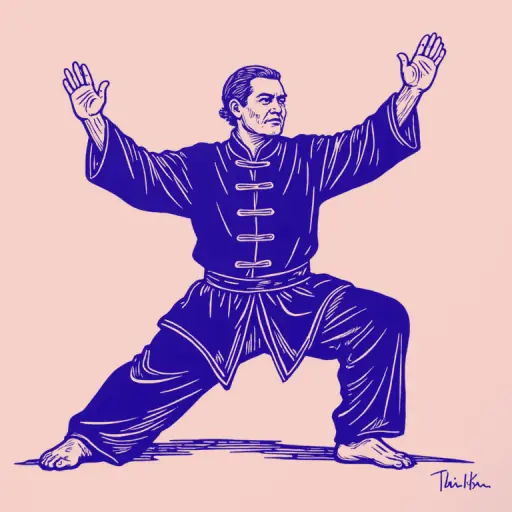
Qigong and Tai Chi are not just physical exercises, but an applied philosophy of movement aimed at managing internal Qi energy. In Traditional Chinese Medicine, these ancient arts are recognized as the best tools for eliminating energy imbalances.
Tai Chi embodies the principle of “stillness in motion.” Its smooth, flowing forms teach the body softness and yielding (Yin) while maintaining internal structure and strength (Yang). There are no abrupt jolts here; every movement arises from relaxation, helping to harmonize Yin and Yang at the physical level.
Qigong works directly with vital energy. The practice is divided into two aspects:
- Dynamic Qigong (Yang): active movements that circulate stagnant Qi, warm the body, and improve blood circulation.
- Static Qigong (Yin): meditative contemplation and postures of rest (such as 'standing like a pole'), which accumulate energy and calm the mind.
Regular practice helps restore the balance of forces, returning flexibility to the body and unwavering harmony to the mind.
Yoga and Meditation for Inner Peace
If dynamic Qigong practices tune the flow of Qi through external movement, yoga and meditation allow for balancing energies on deep mental and physiological levels. In yoga, the concept of Yin and Yang is directly reflected in the division of styles into active (Yang) and passive (Yin).
- Yin Yoga is a practice of deep relaxation and letting go of control. Asanas are performed sitting or lying down and held for 3 to 5 minutes. This stimulates deep tissues, develops flexibility, and activates the calming feminine energy, helping to eliminate excessive mental heat (Yang).
- Hatha and Vinyasa Flow are dynamic, warming styles. They strengthen muscles, ignite the inner fire, and stimulate the masculine principle, helping to overcome apathy and stagnation.
The concluding meditation unites these polarities. By focusing on the breath, we calm the mind, eliminate energy imbalances, and return vital energy to a state of primordial balance. Regular meditative practice teaches us to be simultaneously alert (Yang) and completely relaxed (Yin).
Lifestyle Organization: Balancing Activity and Rest
Finding inner peace on the yoga mat is only the first step. The true art of Yin and Yang balance is revealed in how we structure our daily routine. Our lives are woven from a continuous alternation of periods of activity (Yang) and restoration (Yin). If this natural rhythm is disrupted, even the most effective meditative practices lose their power, giving way to chronic fatigue or mental burnout.
To restore the balance of forces, it is necessary to apply the philosophy of ancient teachings to everyday habits. Organizing one's lifestyle at the intersection of dynamism and statics allows Qi energy to flow unimpeded, turning every day into a harmonious dance of two principles. To do this, it is important to learn to listen to the body's signals and allocate one's resources wisely.
How to Synchronize Daily Routine with Natural Rhythms
Synchronizing daily life with natural rhythms is the foundation of Yin-Yang practical philosophy and Traditional Chinese Medicine. The daily cycle reflects the continuous movement and alternation of these two energies, and our well-being directly depends on how well we are attuned to them.
- Morning (Emergence of Yang): The time from 5:00 to 9:00 is characterized by the awakening of Yang energy. This is the ideal period for waking up, light stretching (such as Qigong), and planning the day. Qi energy begins to circulate actively, preparing the body for action.
- Daytime (Peak Yang): The period from 9:00 to 13:00 is a time of maximum activity. Direct this energy toward solving complex work tasks, important negotiations, and intensive intellectual or physical labor.
- Noon (Transition from Yang to Yin): Around 12:00–13:00, Yang reaches its peak and begins to yield to Yin. It is beneficial during this time to take a break, have a calm lunch, and give the mind a short rest.
- Evening (Accumulation of Yin): After 18:00, activity should decrease. This is time for gentle practices, reading, spending time with loved ones, and a warm bath. We consciously slow down the rhythm to help the body restore vital energy.
- Night (Peak Yin): From 23:00 to 3:00 is the time for deep sleep. During this period, the organs cleanse themselves and accumulate new Qi energy for the next day.
Following this natural schedule helps avoid energy imbalance and prevents chronic fatigue.
Common Mistakes in Seeking Balance and How to Avoid Them
The pursuit of harmonizing Yin and Yang often runs into typical mental traps. Understanding these mistakes will protect you from disappointment and help you build a gentle path to inner harmony.
- The Illusion of Static Balance. Many perceive equilibrium as a fixed '50/50' point. However, true harmony is a dynamic dance. Trying to fix a state of rest permanently generates new tension (excess Yang). Solution: Allow yourself to be flexible. In periods of deadlines, the predominance of Yang is natural, and during recovery, Yin is appropriate. The main thing is to return to the center in time.
- Radical Changes. A sudden shift from exhausting work (Yang) to complete passivity (Yin) traumatizes the body. A drastic change in diet or daily routine depletes vital Qi energy. Solution: Introduce changes gradually. Start with 10 minutes of meditation or replacing one Yang food item per day.
- Ignoring Individual Constitution. Blindly copying others' practices without considering one's own baseline condition can worsen energy imbalance. Solution: Develop mindfulness. Observe the reactions of the body and mind, adjusting the practice to your current needs.
Conclusion
Yin-Yang balance is not a static point that can be achieved once and for all, but a dynamic dance that continues throughout life. Traditional Chinese Medicine teaches us that true health and inner harmony arise where masculine and feminine principles interact continuously and smoothly, alternating like day and night.
When we learn to sensitively hear the signals of our body, appropriately alternate active activity (Yang) with deep relaxation (Yin), and consciously approach food choices, our vital energy and Qi begin to flow freely, freeing us from stagnation and illness.
The path to equilibrium consists of simple but regular steps:
- Mindfulness: Regularly analyze your state and notice which energy predominates in you at any given moment.
- Flexibility: Adapt your diet and physical practices to changing seasons and life circumstances.
- Moderation: Avoid rigid frameworks and extremes, for the true Taoist path is the middle way.
Allow yourself to be different—active and contemplative, strong and receptive. The pursuit of harmonizing Yin and Yang is not just about caring for the body; it is a deep philosophy of self-care. May this path bring you peace of mind, mental clarity, and an inexhaustible source of vital energy.