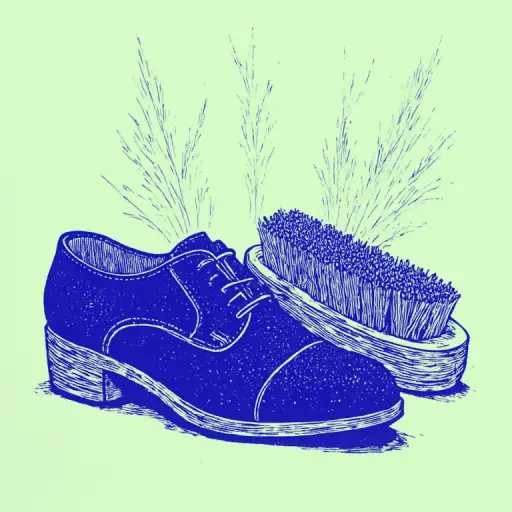
How to Clean Suede Loafers: A Step-by-Step Guide to Proper Care
- 8 min read
- 59
Suede loafers are the embodiment of elegance and comfort in everyday wardrobes. However, this capricious material instantly absorbs moisture and street dust, causing the shoes to quickly lose their original luster. Many owners wonder: can they restore freshness to their favorite pair at home without damaging the delicate texture? In this practical guide, we will detail how to properly clean suede at home, whether it is safe to use a washing machine, and which proven methods will help restore the soft nap after contact with water.
Preparing the Loafers and Preliminary Dry Cleaning
Before exposing the delicate suede to moisture or detergents, thorough preliminary preparation is necessary. Any contact of wet dirt with the nap can lead to deep staining in the material's structure, after which it will be almost impossible to restore the loafers to their original appearance.
The correct preparatory stage is the foundation of safe care. It allows you to delicately remove surface dirt and localized blemishes from the shoes, preparing the nap for subsequent procedures without the risk of deformation.
Removing Dry Dust and Dirt with a Special Suede Brush
Dry cleaning is the mandatory first step. Never wet the loafers while dry dust remains on them, or the dirt will penetrate deep into the pores of the suede.
For this stage, you will need a special double-sided suede brush:
- The side with rubber or latex nubs gently brushes away dust and light dirt.
- The side with metal or stiff synthetic bristles lifts the compressed nap and removes dried dirt.
Move the brush strictly in one direction, without applying heavy pressure, so as not to scratch the delicate leather. Pay special attention to seams and joints with the sole.
Removing Stained Spots and Tough Dirt Before Cleaning
Soiled areas and ingrained stains require targeted treatment before the shoes come into contact with water.
- Suede eraser: Gently rub scuffed areas with a special eraser or a regular white pencil eraser. This will lift the nap and remove the soiling.
- Steam: Hold the loafers over steam for 1–2 minutes, then brush the nap with a stiff brush.
- Greasy stains: Dust the fresh stain with talcum powder or starch for 2–3 hours, then brush away the residue.
For stubborn stains, use a professional dry stain remover for suede and nubuck.
Cleaning Methods: Hand Washing vs. Washing Machine
After the dry dirt and stained spots have been removed, the most critical stage arrives—choosing the cleaning method. Suede is extremely sensitive to excess moisture, so washing under the tap or using an aggressive cycle in a washing machine can irreversibly damage the shape and texture of your favorite loafers. To restore the shoes to their original cleanliness without damaging the delicate nap, it is important to weigh the pros and cons of manual versus machine methods. Let's examine when to prefer gentle local treatment and in which exceptional cases it is permissible to entrust the suede to modern appliances.
Step-by-Step Algorithm for Safe Hand Cleaning with Foam Shampoo
Hand cleaning using specialized foam shampoo is the safest way to refresh suede loafers without the risk of deformation.
Step-by-step algorithm:
- Prepare the product. Shake the bottle and apply a moderate amount of cleaning foam onto a soft suede brush or a clean sponge. Do not apply the foam directly to the shoe.
- Treat the surface. Distribute the foam over the entire loafer using light circular motions. Treat the shoe completely, not locally, to avoid streaks after drying.
- Remove residue. Gently wipe the surface with a clean, slightly damp microfiber cloth, collecting any remaining soiled foam.
- Initial drying. Blot the loafers with a dry paper towel to remove excess moisture.
This delicate method effectively removes road dust and surface stains while preserving the structure and softness of the nap.
How to Wash in a Washing Machine: Choosing the Cycle, Liquid Detergent, and Laundry Bag
Machine washing is an extreme method, suitable mainly for loafers made of artificial suede or in cases where hand cleaning has not yielded results. To minimize risks and prevent damage to the delicate material, strictly adhere to the following rules:
- Use a laundry bag. Place the loafers in a special mesh bag. This prevents the shoes from hard impact against the washing machine drum and protects the hardware.
- Choose liquid detergent. Regular laundry powder washes out poorly from the napped structure of suede. Use only liquid gels or capsules for delicate fabrics.
- Set the delicate cycle. Select the "Delicate wash," "Wool," or "Shoes" program. The water temperature must not exceed 30 °C.
- Disable spin cycle. Spinning and automatic drying will definitely deform the suede. The shoes must drain naturally.
Suede Loafer Drying Rules
Even the gentlest wash will be useless if mistakes are made during the drying stage. Suede is extremely sensitive to excess moisture and temperature fluctuations. Incorrect temperature settings or haste can irreversibly deform the loafers, turning the soft velvety leather into a hard "crust." To maintain the impeccable shape of the shoes and restore their original appearance, it is important to follow a strict drying regimen.
Ensuring Proper Shape and Air Drying
To prevent suede loafers from deforming or shrinking after contact with water, immediately restore their correct shape after cleaning:
- Stuff the shoes with paper. Use white paper towels or clean, undyed paper. Do not use newspapers—the printing ink can permanently damage the lining and bleed onto light suede.
- Use shoe shapers. If you have wooden (preferably cedar) shoe trees, insert them when the shoes are slightly dry. They absorb residual moisture excellently and maintain the geometry of the shoes.
- Dry at room temperature. Leave the loafers in a well-ventilated area away from heating appliances and direct sunlight. The natural process may take from 12 to 24 hours.
Common Drying Mistakes That Can Ruin Suede
Even the gentlest wash will be useless if critical mistakes are made during drying. Here are the main taboos that can permanently damage the delicate material:
- Drying on a radiator or heater. Direct contact with heat sources instantly dries out the leather base. The suede becomes stiff, shrinks, develops cracks, and loses elasticity.
- Using a hairdryer. Hot blowing destroys the sole's adhesive bonds and deforms the shape of the loafers.
- Direct sunlight. Ultraviolet light causes rapid pigment fading, causing the shoes to lose color saturation and develop spots.
- Newspapers with printing ink. Wet suede easily absorbs lead and ink, which can permanently ruin light linings or the exterior of the shoes. Use only clean white paper or paper towels.
Nap Restoration and Finishing Care After Washing
After your suede loafers have completely dried, they may look compressed, and the material itself may have temporarily lost its former velvetiness. This is a natural reaction of the delicate nap to contact with water and cleaning agents. There is no need to panic: restoring the shoes to their original store-bought look and softness at this stage is quite achievable.
Proper finishing care is the final touch that not only restores the aesthetics of the suede but also reliably protects it from future weather whims.
What to Do If Suede Becomes Stiff After Contact with Water
If the suede on the loafers loses its softness and becomes stiff after contact with water, proven methods can help restore its original appearance:
- Gentle steaming. Hold the shoes over steam from an iron or boiling kettle for 10–15 seconds at a distance of 20–30 cm. The material should become slightly warm and damp, but not wet.
- Lifting the nap. Immediately after steaming, gently brush the suede with a special rubber or silicone brush, moving in one direction to straighten the matted fibers.
- Using conditioner. If stiffness persists, apply a professional softening conditioner or a "fatting" lotion for suede and nubuck. This will restore the elasticity of the leather fibers from within.
Applying a Protective Water-Repellent Spray
Applying a water-repellent spray is a mandatory final step. It creates an invisible barrier that protects the delicate suede from moisture, dirt, and road chemicals.
How to apply the treatment correctly:
- Spray the product onto completely dry loafers from a distance of 20–25 cm.
- Apply the spray evenly, avoiding the formation of drips.
- Allow the shoes to dry for 12–24 hours before going outside.
This prevention significantly simplifies subsequent cleaning and extends the life of your shoes for a long time.
Conclusion
Proper care for suede loafers is a balance between delicate cleaning and timely protection. By avoiding aggressive machine washing and preferring gentle manual cleaning with specialized foam, you will preserve the noble texture of the material for many years.
Regularly using a suede brush and water-repellent spray will save you from the need for radical washing and extend the life of your favorite footwear.