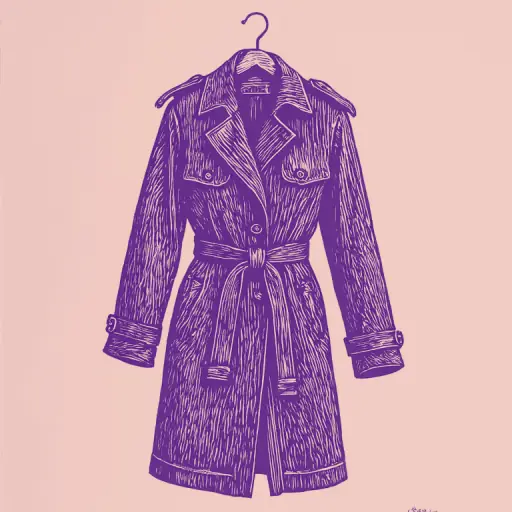
How to dress beautifully and fashionably to always look stylish
- 14 min read
- 71
Every woman strives to look fashionable and feel confident in any situation. However, a modern stylish look is not blindly following fleeting trends or buying expensive brands. True good taste lies in the ability to express one's individual style, highlight physical assets, and competently assemble a wardrobe where every item works perfectly for you.
How to dress stylishly without huge financial costs? The secret is simple: you need to master the basic rules of clothing selection. In this practical guide, we will step-by-step analyze how to determine your body type and color palette, how to build an ideal basic and capsule wardrobe from scratch, and we will learn how to harmoniously combine colors, textures, and accessories. You will learn how to use oversized and classic styles to create elegant everyday looks. Let's start this journey to your ideal style!
Step 1. Appearance Analysis: Determining Body Type and Color Palette
The path to impeccable style always begins with an honest and detailed self-assessment. The most expensive and fashionable item will lose its charm if it fits poorly or makes your complexion look dull. This is why the foundation of individual style is an objective analysis of your appearance.
In this section, we will examine two key guidelines that will help you choose clothes without error: body shape characteristics and natural coloring. Understanding these parameters will save you from disappointment in fitting rooms and guarantee that every item will only highlight your strengths.
How to Choose Clothes by Body Type for a Perfect Fit
The perfect fit of clothing begins with understanding the geometry of your body. The main task is to balance proportions, creating a harmonious and elegant look.
- "Hourglass": Women with balanced hips and shoulders and a defined waist should emphasize their curves. Choose fitted silhouettes, wrap dresses, and high-waisted trousers.
- "Pear" (Triangle): Shift the focus to the upper body. Blouses with ruffles, sweetheart necklines, and structured jackets paired with streamlined straight trousers will suit you.
- "Rectangle": Here, it is necessary to visually create a waist. Belts, peplum clothing, semi-fitted cuts, and contrasting color blocks will help.
- "Apple" (Circle): Focus on elongating the silhouette. Choose A-line dresses, high waistlines, V-necks, and light, flowing fabrics.
- "Inverted Triangle": Soften broad shoulders using pleated skirts, palazzo pants, and a streamlined top without excess volume.
Proper clothing selection based on body type allows you to conceal nuances and highlight strengths, creating a confident individual style.
Determining Color Palette and Choosing Suitable Shades for the Face
The right color of clothing near the face instantly brightens the look, masks signs of fatigue, and emphasizes the sparkle in your eyes. To determine your color palette without complex professional tests, it is enough to find out two key parameters: the temperature of your complexion (warm or cool) and the level of contrast.
Simple Home Test:
Hold a sheet of gold and silver foil (or fabric of corresponding shades) up to your face alternately under natural light. If gold gives your skin a healthy glow, your undertone is warm. If silver makes your appearance more noble, but gold emphasizes imperfections, your undertone is cool.
Rules for Choosing Shades for the Portrait Area:
- For cool undertones: deep blue, emerald, cool pink, icy blue, and classic gray are ideal.
- For warm undertones: choose soft terracotta, mustard, peach, olive, and warm beige.
- Consider contrast: women with bright features (e.g., dark hair and light skin) look good in saturated, pure colors. Women with soft, muted coloring are better off choosing pastel and complex, dusty shades.
Stylish Lifehack: If you really like a color that doesn't suit your color palette, move it away from the portrait area to the lower part of the body (trousers, skirts) or neutralize it near the face with a suitable scarf.
Step 2. Finding Your Personal Style and Wardrobe Planning
Knowing your body type and color palette is a reliable foundation, but a truly stylish look is born where clothing reflects your inner world, character, and lifestyle. Dressing beautifully and fashionably does not mean blindly copying mannequins in shop windows or buying up all the hot trends of the season. True chic lies in the ability to adapt fashion to yourself, creating a unique visual signature.
At this stage, we move from dry theory of proportions to creative planning. We will discuss how to design a wardrobe that will work for you in any situation, giving you confidence and remaining exceptionally comfortable. After all, personal style is not just a collection of items, but your personal story told without words.
How to Find Your Personal Style and Express Individuality
Finding a personal style starts not with fashion shows, but with an honest conversation with yourself. To create a truly individual style, ask yourself: "Who am I and what message do I want to convey to the world through my clothing?"
Here is a step-by-step algorithm to help you find your direction:
- Lifestyle Analysis. Your wardrobe should correspond to your real routine 80% of the time (work, walks, sports, meetings), not an imaginary life.
- Formulating Style DNA. Write down 3–5 adjectives that characterize you (e.g., dynamic, elegant, bold). Your clothing should reflect these qualities.
- Creating a Moodboard. Collect fashionable looks you like on Pinterest. Over time, you will notice patterns: a love for oversized fits, classic style, or certain textures.
- Test Drive. Don't be afraid to try on unfamiliar items in stores without the obligation to buy. This develops good taste and helps you understand what you are truly comfortable in.
Remember that individual style is not blindly copying trends, but the ability to adapt fashion trends to your character and values.
Forming a Style Concept: Balancing Comfort and Trends
Modern fashion no longer demands sacrifices: comfort is the priority today. To form a harmonious style concept, use the proven proportion rule "80/20":
- 80% of the wardrobe is a comfortable base that matches your lifestyle (quality knitwear, classic style in a modern interpretation, comfortable footwear).
- 20% is fashion trends and bold experiments (accent accessories, unusual textures, or ultra-modern colors).
Integrate trends selectively so that your individual style remains recognizable. For example, a current loose fit (oversized) can be combined with streamlined pieces. This approach allows you to create a stylish look without sacrificing comfort or incurring unnecessary costs. Remember: the truly fashionable woman is the one who is comfortable in her clothes.
Step 3. Building a Basic and Capsule Wardrobe from Scratch
The transition from theory to practice is the most exciting stage of creating a personal style. Once you understand your figure's characteristics and have defined your style vector, it's time to eliminate the eternal problem of "having nothing to wear." The secret to an impeccable appearance lies not in a large quantity of clothes, but in their thoughtful coordination and functionality.
In this step, we will break down how to lay a solid foundation for your wardrobe. We will combine a systematic approach with creativity to create a functional base and convenient capsules, where every item perfectly complements another, saving you time in the mornings and protecting your budget from spontaneous purchases.
What is Included in an Ideal Basic Wardrobe: Essential Investment Pieces
An ideal basic wardrobe is the foundation upon which your individual style is built. Investment pieces cost more, but they pay for themselves through durability, impeccable tailoring, and high versatility. By investing in a quality base, you eliminate the eternal problem of "having nothing to wear."
Here are the key elements not to skimp on:
- Tailored Jacket (Blazer). It structures any look, bringing it together. Choose models made from dense suit fabric or wool.
- Perfect Jeans. Thick denim without fading or excessive decoration, chosen strictly according to your body type. Straight cut or light flare—timeless classics.
- Basic White Shirt. A loose men's cut made of thick cotton. It can be worn as a standalone piece or as a second layer.
- Classic Tailored Outerwear. A wool coat-robe or a double-breasted trench coat in a neutral shade (beige, gray, black).
These items easily adapt to any fashion trends and last for years, helping you create an elegant look in any situation.
Capsule Wardrobe Principles: How to Assemble Stylish Looks Affordably
A capsule wardrobe is a smart constructor where all items match perfectly. Unlike an extensive base, a capsule is assembled for a specific area of life (work, leisure, travel) and usually consists of 6–12 items, including shoes.
To create a capsule affordably and look fashionable, follow these simple rules:
- The "3 to 1" Formula: For one "bottom" (trousers, skirt, jeans), there should be at least three "tops" (T-shirt, shirt, knit jumper). Changing the top part of the outfit is more important—it's what people notice more often.
- Color Unity: Choose 2–3 basic neutral shades (e.g., beige, gray, black) and 1–2 accent colors that harmonize with each other.
- Simple Silhouettes: Laconic items without excessive hardware look more expensive and are easier to combine.
- Smart Shopping: Invest in quality shoes and a bag, but buy tops, T-shirts, and trendy accessories from affordable local brands or during seasonal sales.
Thanks to this approach, you will get dozens of diverse and stylish looks with minimal financial expenditure.
Step 4. Working with Color, Textures, and Proportions
Even the most thoughtfully curated basic set of items can look boring if it isn't infused with dynamism and character. The secret to a truly stylish look lies not in the quantity of clothes, but in the ability to manage visual perception. This is where the three main stylist tools come into play: color, texture, and proportion. They can transform a simple casual set into a highly fashionable outfit, visually correct the silhouette, and place the necessary accents.
By mastering the simple rules of visual harmony, you will learn to control the attention of others, highlight your strengths, and create complex, "expensive" looks from the simplest items. Let's explore how to make color and shape work for your individuality.
How to Learn to Combine Colors and Place Accents Correctly
Color harmony is the foundation of a stylish look. To avoid getting lost in the variety of shades, use proven color schemes:
- Monochrome. Combining tones of different saturation of the same color (e.g., from deep chocolate to delicate beige). This technique visually elongates the silhouette and always looks elegant.
- Analogous Harmony. Using neighboring colors on the Itten color wheel (e.g., muted blue and soft sage). This creates a calm, noble contrast.
- Complementary Contrast. Combining opposite colors (e.g., deep blue and terracotta). An excellent way to make a statement.
To prevent the look from appearing overloaded, apply the golden rule of proportion 60/30/10:
- 60% is allocated to the dominant neutral color (e.g., the base of your suit or coat);
- 30% is taken up by an additional shade (trousers or jumper);
- 10% is dedicated to a bright accent (bag, belt, scarf, or lipstick).
Remember: the accent draws attention to the area where it is located. Use this tool consciously to highlight your strengths.
Using Oversize, Knitwear, and Layering in Outfits
Modern fashion is built on the play of volumes and textures. Oversize, knitwear, and layering are the main tools for creating a relaxed yet elegant look.
1. The Balance Rule in Oversize
Loose cuts should not turn the figure into an shapeless silhouette. Combine a voluminous top (e.g., a chunky knit sweater) with a laconic bottom (straight trousers or a slip skirt). To emphasize elegance, expose slender parts of the body: slightly reveal wrists, ankles, or collarbones.
2. Cozy Knitwear as a Base
Choose thick knitwear that holds its shape and does not look flimsy. A loose cardigan or a knit suit looks great against a contrast of textures: mix soft wool with smooth leather, thick denim, or flowing silk.
3. The Art of Layering
Layering makes an outfit look visually expensive and interesting. The basic formula is:
- First Layer: thin (white T-shirt, top, or turtleneck).
- Second Layer: structured (unbuttoned shirt, jacket, or classic vest).
- Third Layer: loose (coat, trench coat, or oversized jacket).
Ensure that each subsequent layer is thicker than the previous one, and that the collars or cuffs of the inner garments slightly peek out, creating dynamism.
Step 5. Outfit Detailing and Common Style Mistakes
Even the most thoughtfully layered set of quality knitwear and figure-flattering items can look unfinished or, conversely, overloaded. The secret to an impeccable appearance lies in the nuances that tie all elements together. It is at the final stage of creating an outfit that we place those very accents that transform a simple collection of clothes into a harmonious and expensive look.
To ensure your personal style works for you to the fullest, it is important not only to know how to select striking details but also to notice hidden pitfalls in time. Poorly chosen accessories or frustrating mistakes in fit can instantly ruin even the most expensive capsule wardrobe. Let's explore how to finish your fashionable look with finesse and what common mistakes to avoid to always look elegant and neat.
Shoes, Bags, and Accessories as Key Transformation Tools
It is these details that transform a simple collection of basic items into a complete, stylish outfit. Shoes, bags, and accessories are key tools for transformation, capable of instantly changing the level of formality and setting the right mood for the look without serious financial expenditure.
- Shoes as the foundation. A simple base of jeans and a T-shirt will look completely different if you replace casual sneakers with sleek leather loafers, elegant mules, or pointed ankle boots with a stable heel. Shoes set the style vector and shape the silhouette.
- The bag as a status marker. A structured, rigid-shaped bag always makes an outfit look more put-together, elegant, and expensive. Soft suede shoppers are suitable for relaxed days, but it is important to monitor the quality of the hardware.
- Belts and jewelry. A leather belt of the correct width will emphasize the waist and harmoniously structure an oversized look. Modern minimalist jewelry—textured earrings, sleek chains, or accent rings—will add sparkle and completeness even to simple knitwear.
Use the balance rule: if the bag or shoes are a bright accent, the other accessories should remain sleek and understated.
Main Style Mistakes: Poor Fit, Untidiness, and Inappropriateness
Even the most expensive accessories and trendy items will lose their luster if critical mistakes are made in the basic look. True style lies in the details, and its main enemies are poor fit, untidiness, and inappropriateness.
- Ignoring body fit. An item must fit impeccably. Too-tight trousers that create unwanted creases, or a jacket that pulls at the shoulders, instantly cheapens the look. If clothing fits poorly, it will emphasize flaws rather than strengths. Stylist's life hack: buy items based on a larger body parameter and have them tailored.
- Visual untidiness. Pilling on a favorite oversized sweater, unpressed creases, wrinkles on shoes, or a missing button can ruin the impression of even the most thought-out outfit. Regular garment care is the foundation of elegance.
- Context mismatch. Dressing beautifully means dressing appropriately. Stilettos on a country walk or a tracksuit at a business meeting look ridiculous. Always relate your outfit to the place, time, and surroundings.
By avoiding these three pitfalls, you will guaranteed elevate your everyday looks to a new level.
Conclusion
The path to a perfect wardrobe is not a one-time action, but an exciting process of self-discovery. To always look beautiful, fashionable, and feel confident, you do not need to buy every runway novelty or spend huge budgets. It is enough to adhere to several golden rules that we have covered in this guide:
- Know your features: Understanding your body type and color palette is the foundation upon which impeccable fit and color harmony are built.
- Invest in the basics: A high-quality basic wardrobe and well-thought-out capsules will save you from the eternal problem of "nothing to wear" and allow you to easily assemble dozens of stylish looks.
- Experiment wisely: Use oversized pieces, layering, current color combinations, and accessories to revitalize classic style and express your individual style.
- Remember neatness and appropriateness: Even the most expensive brand will lose its luster if the item fits poorly or does not match the context of the meeting.
Style is an extension of your "self." Allow yourself to be varied, try new combinations of textures, but always remain true to your comfort. Start small—do a closet audit, create a list of investment purchases, and you will notice how your appearance transforms and your inner confidence strengthens.