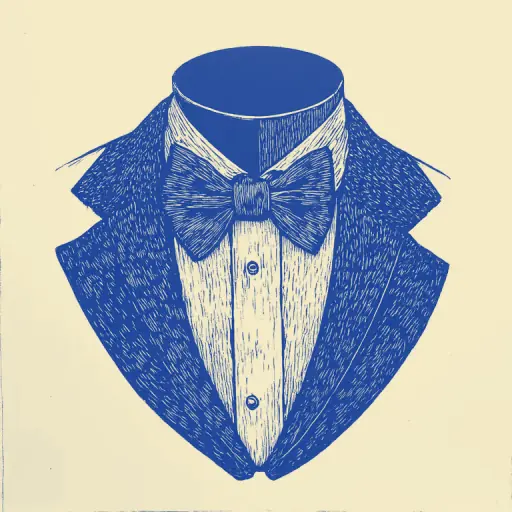
How to dress correctly for a gala dinner and adhere to the dress code
- 15 min read
- 68
A gala dinner is not just a dinner; it is an event that demands a special approach to style. It is a formal format that can take place during charity evenings, corporate receptions, or social galas. Unlike a regular dinner, a gala dinner has a strict dress code that sets the tone for the entire event. Ignoring these rules can not only spoil your mood but also create an impression of carelessness.
Our goal in this guide is to give you comprehensive instructions so that you feel confident and luxurious, regardless of what dress code you need to adhere to. We will break down all the details: from choosing the perfect tuxedo for a man to selecting an evening dress for a woman, and we will also learn how to properly combine accessories and makeup. Remember: the main thing in a gala outfit is not following fashion, but flawlessly knowing etiquette and knowing how to emphasize your status.
Ahead of you is a step-by-step guide that will help you create the perfect evening outfit that meets the highest standards of style and etiquette.
Understanding Formats: Main Dress Codes for a Gala Dinner
Before choosing a dress or a tuxedo, it is necessary to understand what the event requires of you. A gala dinner is not just a dinner; it is an event with a clearly defined dress code that sets the tone for your entire look. Ignoring these rules can spoil the impression and even create an awkward situation. Therefore, the first step in preparing for a gala evening is a detailed study of the format. Understanding the difference between White Tie, Black Tie, or Cocktail will allow you to choose not just a beautiful, but perfectly appropriate outfit.
These formal codes are your main guide. They determine not only the color and cut but also the type of fabric and the mandatory wardrobe elements. In the following sections, we will examine each format separately so that you can create the perfect look that matches the status and atmosphere of the evening.
Strict White Tie and Classic Black Tie: What is the Difference?
The difference between White Tie and Black Tie is the boundary between ultra-formal state protocol and classic evening luxury. Understanding these nuances will save you from awkward situations at a high-level event.
| Outfit Element | White Tie (Ultra-formal) | Black Tie (Classic Evening) |
|---|---|---|
| For Men | Black tailcoat, white pique vest, white bow tie, patent leather shoes. | Black or dark blue tuxedo, black silk cummerbund or vest, black bow tie. |
| For Women | Floor-length evening gown, open shoulders, long gloves (removed only at the table), hair styled up. | Floor-length evening gown (elegant midi in rare cases), gloves not required, loose styled hair is acceptable. |
| Jewelry | Exclusively natural gemstones (diamonds, tiaras). Wristwatches are excluded. | |
| High-end jewelry and elegant evening watches are permitted. |
White Tie does not tolerate compromises and is used for royal receptions or Nobel Prize ceremonies. Black Tie is a more common and flexible standard for most status gala dinners, where impeccable tailoring and elegance are paramount.
Less Formal Cocktail and Creative Black Tie
When the strict rules of White Tie and Black Tie seem too rigid, or if the event takes place in a more relaxed yet still formal atmosphere, the Cocktail and Creative Black Tie formats come to the rescue. These dress codes allow for more freedom of self-expression but require the guest to understand where the line is drawn between "elegant" and "too casual."
Cocktail Attire (Cocktail Style):
This format is ideal for gala dinners held in a less official setting, such as a gallery or a modern loft. The essence is elegance, but without the excessive pomp of tuxedos and long evening gowns. For women, this can be an exquisite cocktail dress (knee-length or midi), or a stylish elegant trouser suit. Men can wear a well-tailored suit (not necessarily black), with a tie or bow tie, but without a strict tuxedo. The main thing is freshness and moderation in details.
Creative Black Tie (Creative Black Tie):
This is the most interesting and complex format to interpret. It retains the foundation of Black Tie (dark, formal evening wear), but it allows guests to add an element of individuality or surprise. This does not mean you can wear anything; it means you need to show creativity within the framework of formal etiquette. For example, a man can choose a tuxedo of an unusual color (dark blue, burgundy) or add a bright but stylish accessory. A woman can choose a dress with an unusual cut, texture, or print that remains evening wear but does not look "classic." In both cases, the key is balance: you must look impeccable, but also memorable.
How to Dress for a Gala Dinner for Women: From Classic Dresses to Stylish Alternatives
The transition from strict dress code rules to choosing a specific outfit is an opportunity to demonstrate impeccable taste and highlight individuality. For a woman, an invitation to a gala dinner opens up space to create a truly luxurious look. Today, evening fashion offers a harmonious balance between timeless classics and bold modern trends.
The main task is to find the perfect balance between etiquette requirements and personal comfort. Whether it is a traditional floor-length evening gown or a ultra-modern trouser set, your outfit must convey confidence and match the status of the event. Let's break down the key elements of a woman's wardrobe for a formal evening.
Choosing the Perfect Evening or Cocktail Dress
The choice of dress depends directly on the dress code stated in the invitation. For strict formats (White Tie and Black Tie), the only correct solution is a floor-length evening gown (maxi). Opt for noble fabrics: heavy silk, velvet, satin, or supple crepe. The silhouette should be laconic yet expressive—for example, a classic A-line, an elegant "mermaid," or a refined straight cut.
If the event format is designated as Cocktail or Creative Black Tie, the dress length can range from midi to just above the knee. The ideal cocktail dress is a balance between formality and festivity. Pay attention to sheath dresses made of expensive lace, silk slip dresses, or models with delicate detailing.
Recommended Color Palette:
- Classics: deep black, dark blue, emerald, burgundy.
- Pastels: powder, pearl gray, champagne shade.
- Taboo: neon shades and loud prints.
Elegant Trouser Suit and Jumpsuit as a Modern Alternative
Many believe that for a gala dinner, one can only wear a long evening gown. However, modern social etiquette allows for other equally striking formats. An elegant trouser suit or a stylish jumpsuit is an ideal alternative that will highlight your individuality while remaining impeccably appropriate.
How to adapt a trouser suit for a gala dinner?
The key to success is not just the suit, but the framing of it with evening aesthetics. Choose models made from luxurious, textured fabrics: velvet, heavy silk, dense jacquard, or metallic threads. Avoid business-like, strictly tailored cuts. The ideal suit must be perfectly tailored and fit the figure, creating a "second skin" effect.
- Combining elements: Instead of a classic set, consider trousers and a jacket made from different but tonally harmonious fabrics. For example, a velvet jacket and silk trousers.
- Waist emphasis: To prevent the look from appearing too "strict" or "office-like," be sure to add a belt or a wide sash. This visually narrows the silhouette and adds femininity to the look.
- Trouser choice: Wide palazzo pants or high-waisted trousers are ideal, as they lengthen the legs and look maximally formal.
The jumpsuit as a ready-made solution:
A jumpsuit is a ready-made yet incredibly versatile outfit. It allows you to achieve the effect of a dress without resorting to a traditional silhouette. For a gala dinner, choose models with an emphasis on details: a deep neckline, draping, bell sleeves, or a side jacket. It should be made from a material that "plays" in the light—such as satin or brocade.
Important details:
Regardless of the chosen format, remember the finishing touches:
- Shoes: Choose elegant high-heeled shoes that harmonize with the overall mood but do not distract from the suit. Metallics or deep, rich colors (emerald, sapphire) will be ideal.
- Accessories: Do not neglect accessories. A small evening bag (clutch), elegant earrings, and a thin neck scarf will instantly elevate the look to "gala-dinner" level.
This approach allows you to create a modern, bold, yet absolutely dress-code-appropriate look that will appear luxurious and suitable in any social setting.
Men's Look: Rules for Impeccable Evening Style
After we have covered the selection of the perfect attire for women, it is time to turn our attention to men's wardrobe. The men's look at a gala dinner is no less important than the women's and requires strict adherence to etiquette rules. Unlike dresses, where one can experiment with textures and silhouettes, men's evening style relies on time-tested classic canons. However, even within these strict rules, there are many nuances that allow one to create not just a "correct," but a truly flawless and memorable look.
A modern gala dinner requires a man not only to have an expensive suit but also to understand how to correctly "assemble" the entire look: from the perfect fit of the jacket to the choice of the ideal bow tie. We will examine the key elements that guarantee your attire meets the status of the event and highlights your status as a guest.
The Ideal Tuxedo and Classic Men's Suit: Fit Rules
The foundation of an impeccable men's look at a gala dinner is the flawless fit of the tuxedo or classic suit. Even the most expensive brand will lose its luster if the garment fits incorrectly.
When trying on a jacket, pay attention to key areas:
- Shoulders: The seam must align strictly with the natural line of your shoulder. No sagging or excessive tightness.
- Sleeve length: The jacket sleeve must expose the shirt cuff exactly by 1–1.5 centimeters.
- Jacket length: The classic rule is that the hem must completely cover the buttocks, and when arms are lowered, the bottom edge should be at the level of the knuckles.
- Trousers: For a tuxedo, trousers without cuffs are ideal. They should fall on the shoes with a barely noticeable, neat crease in the front or be straight without a crease.
Remember that a single-breasted tuxedo is always fastened only on one button when standing and is completely unbuttoned when sitting.
Details That Decide Everything: Shirt, Bow Tie, and Shoes
It is the accessories that transform a merely good suit into an impeccable evening outfit. Pay attention to three key elements:
- Shirt: Choose a snow-white shirt made of high-quality cotton with double cuffs for cufflinks. For Black Tie, a model with a classic spread collar and a pleated bib on the chest is ideal.
- Bow Tie: A true gentleman chooses only a classic bow tie, which must be tied by hand. Its material (silk or satin) must strictly match the texture of the tuxedo lapels.
- Shoes: The best choice is polished black Oxfords or elegant slippers. Complete them with thin, high-cut black silk socks.
Accessories, Shoes, and Beauty Details to Complete the Look
After we have covered the ideal tuxedos for men and chosen suitable dress silhouettes for women, the final, yet equally important, stage remains: completing the look. It is accessories, shoes, and beauty details that give the outfit a finished, flawless appearance, transforming a beautiful garment into a true social look. These elements are not just additions, but key accents that must work in harmony with the main clothing, highlighting your status and attention to detail.
The correct selection of these elements requires knowledge of balance: nothing should steal attention, but nothing should look unfinished. We will examine how to harmoniously combine jewelry, choose the perfect bag, select shoes, and how to use makeup and hairstyle so that your look is both luxurious and moderate.
Proper Selection of Jewelry, Bags, and Evening Shoes
Accessories are the main indicator of your understanding of evening etiquette. When choosing jewelry for a gala dinner, follow the rule of moderation: one bright accent (such as a necklace or large earrings) is always better than an excess of sparkle. For Black Tie, diamonds, pearls, or precious stones are ideal, while high-quality designer costume jewelry is acceptable for Cocktail.
The evening bag must be exclusively miniature. Forget everyday models: your choice is a structured clutch-miniature, a silk envelope, or a beaded purse.
Shoes complete the silhouette. Women are recommended classic stiletto pumps or elegant sandals with thin straps. For a strict dress code, men require patent leather Oxfords, and for a less formal occasion, elegant leather Derbies.
Features of Evening Makeup and Hairstyle: Balance of Luxury and Moderation
A harmonious beauty look is the final touch that ties together the dress, jewelry, and accessories. The main rule of evening etiquette here is the balance of luxury and moderation.
When choosing makeup and hairstyle, orient yourself based on the complexity of your outfit:
- The One Accent Rule. If you have chosen a dress with a complex cut or heavily decorated with sequins, the makeup should be restrained (for example, flawless skin, light nude, and neat eyeliner). A classic red lipstick or expressive smokey eyes perfectly suit a simple, solid-colored dress.
- Longevity and Texture. Use professional setting products. Avoid excessive highlighter—under camera flashes at a gala event, it can look like greasy shine.
- Hairstyle. For strict dress codes (White Tie, Black Tie), updo styles are ideal—an elegant low bun, a French twist, or a sleek ponytail. For Cocktail attire, Hollywood waves are acceptable. The main thing is neatness and the absence of a 'stiffened' hairspray effect.
Major Evening Dress Code Mistakes and Etiquette Rules
Even the most luxurious outfit, complemented by flawless makeup and hair, can lose its charm due to minor oversights in details or ignorance of good manners. At high-level events, such as a gala dinner, etiquette and dress code are inseparable: what is being judged is not just the beauty of the clothing, but the ability to respect the status of the event and its organizers.
To ensure your evening outfit looks harmonious and you feel confident, it is important to study the hidden "pitfalls" of high society wardrobes in advance. Let's examine the key mistakes that can spoil the impression and the basic rules of conduct that help you fit in flawlessly with the atmosphere of the celebration.
What to Absolutely Avoid When Preparing for a Gala Evening
Preparing for a gala evening requires impeccable taste, and the cost of a stylistic error is particularly high here. To avoid violating etiquette rules, strictly avoid the following mistakes:
- Ignoring the Dress Code. Trying to substitute a tuxedo with a regular business suit or attending in an ultra-short dress at a Black Tie level event is the main marker of disrespect to the organizers.
- Excessive Revealingness. Too deep a décolletage, extreme slits, and sheer fabrics strip the look of nobility.
- Casual Details. Large tote bags, bulky smartwatches, and casual footwear completely ruin an evening outfit.
- Excessive Jewelry. Do not put on your entire jewelry set at once. Choose one main accent—either earrings or a necklace.
How to Match the High Status of the Event and Feel Confident
Matching the high status of a gala dinner is not just about a flawless tuxedo or a couture evening gown, but also about how you feel in them. Inner confidence and knowledge of etiquette complete the look better than any diamonds.
To feel at ease, follow these simple rules:
- Test the Look in Advance. Walk around in new shoes at home, make sure the dress straps don't slip, and that the jacket isn't tight in the shoulders. The clothing should become your "second skin."
- Observe Table Etiquette. At gala dinners, courses are served synchronously. Start the meal only after the food has been brought to all guests at your table.
- Maintain Posture. A straight back and an open gaze instantly elevate the elegance of any outfit.
Remember: true chic lies in the ability to wear luxurious items with effortless nonchalance and a sincere smile.
Conclusion
Preparing for a gala dinner is not just about choosing clothes, but about creating a harmonious image that demonstrates your respect for the organizers and guests of the evening. Whether you are facing a strict White Tie, a classic Black Tie, or a more relaxed Cocktail, remember the three golden rules:
- Adherence to the Format. Always carefully study the invitation and strictly follow the specified dress code.
- Impeccable Fit. A perfectly fitting tuxedo or an elegant evening dress made of quality fabrics always looks better than ultra-modern but uncomfortable items.
- Moderation in Details. Accessories, shoes, and beauty looks should harmoniously complement the outfit, not steal all the attention.
The main secret to a flawless evening outfit is the balance between strict etiquette rules and your personal comfort. When you feel confident in the clothes you have chosen, your look at the gala event becomes truly irresistible. Allow yourself to shine and enjoy the atmosphere of the celebration.