How to Dress Thin People to Look Fuller and Stylish
- 14 min read
- 64
There is a stereotype that a slender build is a universal pass to the world of fashion, requiring no effort when choosing clothes. However, in practice, people with asthenic builds often face serious difficulties. Clothes that are too loose hang like sacks, tight ones emphasize angularity, and standard patterns turn a proportional figure into an excessively delicate one.
The goal of this guide is to debunk the myth that it is impossible to correct one's silhouette. We will examine proven styling techniques that will help create a harmonious visual volume, balance the figure's proportions, and add substance to the look. You will learn how to correctly use layering, choose dense fabrics, and avoid typical mistakes when buying clothes. Whether you are building a wardrobe for yourself or working with clients' style, these practical rules will help you look confident, substantial, and stylish in any situation.
Fundamentals of Visual Correction: How to Create the Illusion of Volume
Visual proportion correction is not about hiding the figure in shapeless clothes, but a subtle play with the human eye's perception. Our main task is to shift the focus from sharp lines and angularity to soft, rounded shapes, adding the missing density to the silhouette. To do this, you do not need to radically change your wardrobe; it is enough to master the basic laws of volume illusion.
By correctly managing lines, textures, and optical effects, you can easily "build up" the figure in the right places. We will examine how simple techniques using materials and visual accents help create a harmonious, masculine, or feminine silhouette while maintaining absolute comfort and individual style.
Secrets of Layering and Choosing Dense Fabrics
Layering in clothing is the main tool for creating natural visual volume. Instead of one dense item, use a combination of several layers: for example, a T-shirt, an unbuttoned flannel shirt over it, and a dense knit cardigan or a structured jacket on top. This smooths out the angularity of the figure and makes the silhouette more proportional.
It is important to follow this rule: each subsequent layer must be denser than the previous one.
Choosing the right materials plays a decisive role. Thin, flowing knitwear emphasizes thinness, so it should be replaced with dense fabrics that hold their shape:
- Tweed and velvet — textured materials that add pleasant weight to the body.
- Dense denim and heavy cotton (e.g., in hoodies and sweatshirts) — create a rigid frame.
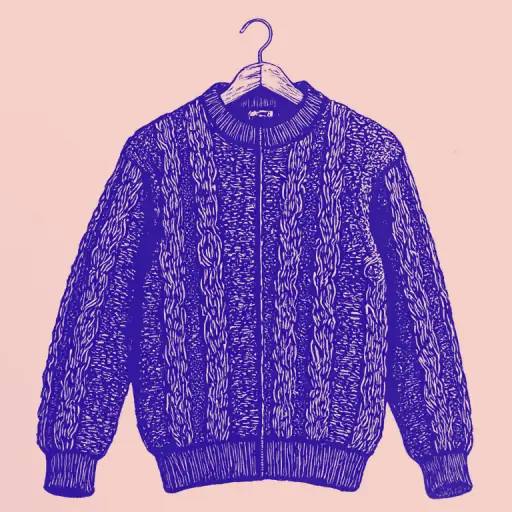
- Chunky knit — sweaters with cables and relief patterns visually broaden the chest and shoulders.
This approach allows you to correct body proportions without resorting to shapeless oversized clothing.
Prints, Colors, and Horizontal Stripes to Expand the Silhouette
The correct selection of color and pattern is the simplest way to trick the eye and add missing width to the figure.
- Horizontal stripes. Contrary to myths, they work reliably. Wide horizontal lines across the chest or hips visually stretch the silhouette outwards. An excellent choice is a classic marinière, a sweatshirt with large transverse stripes, or a color-block design.
- Light and bright palette. Dark shades absorb volume, so your choice should be white, milky, beige, pastels, and vibrant colors. A light top paired with a darker bottom will make the shoulder line appear visually wider.
- Large checks and geometry. Tartan, Prince of Wales, or large glen plaid checks create optical volume. Avoid small, scattered patterns—against them, a slender build looks even more fragile. Choose large, contrasting prints.
Rules for Choosing Clothes for Slender Men
Men's wardrobe for an asthenic build requires meticulous precision in fit. The main trap that slender men often fall into is extremes: trying to hide in shapeless clothes several sizes too big or, conversely, habitually wearing tight knitwear that only emphasizes the fragility of the proportions. Our goal is to find the golden mean, where the clothing gently outlines the silhouette, visually broadening the shoulders and adding substance to the figure.
Properly chosen tailoring can work wonders, transforming a delicate build into elegant athleticism without strenuous training. Let's examine the practical rules for choosing key elements of a men's wardrobe that will help balance proportions and create a confident, masculine image.
How to Properly Choose the Size and Style of Shirts, T-shirts, and Jackets
When choosing outerwear for a slender build, the correct fit is critically important. Clothes should not cling to the body, but they should not hang like sacks.
- Shirts: Abandon extreme Super Slim Fit. Your choice is a semi-fitted cut (Regular or Tailored Fit). Pay attention to the collar: stiff, wide collars (such as a semi-spread or classic button-down) visually widen the neck and shoulder line.
- T-shirts: The main taboo is a deep V-neck, which makes the chest look flat. Choose T-shirts made of heavy, dense cotton with a crew neck, slightly fitted to the neck. The shoulder seam must run strictly along the edge of the shoulder.
- Jackets: Structured blazers with moderate shoulder pads are ideal. Double-breasted jackets are an excellent tool for creating the illusion of chest width due to the extra layer of fabric in the front. Prefer textured materials (tweed, velvet, flannel), which inherently add the necessary volume to the body.
Choosing Trousers and Jeans: An Alternative to Skinny and Shapeless Sacks
The main task when choosing trousers for a slender man is to create a smooth, proportional silhouette while avoiding extremes. Completely give up skinny jeans, which accentuate leg thinness, and shapeless baggy models, in which the figure simply "gets lost."
Your ideal alternative:
- Straight fit: Classic jeans and trousers that gently outline the silhouette, concealing the actual volume of the legs.
- Cargo pants: The patch side pockets are an excellent tool for visually widening the hips and adding masculinity.
- Dense cotton chinos: Choose mid-rise models that hold their shape and do not cling to the ankles.
Prefer textured and stiff fabrics: heavy denim (from 12 ounces), velvet, tweed, and dense wool. They create their own frame, masking excessive thinness and making the lower body appear visually denser.
Wardrobe Secrets for Slender and Tall Girls
Tall stature and a graceful build are traditionally considered model standards, but in real life, they often create a feeling of excessive angularity and fragility. The main task when putting together a female wardrobe in this case is not to hide the height, but to harmoniously redistribute volumes, soften the silhouette, and add softness and femininity to the look.
Properly placed accents allow one to easily move away from the effect of excessive "elongation" and emphasize natural grace. The secret lies in skillfully managing proportions, using the correct cut and textured materials that visually round the figure where necessary, while maintaining the overall lightness and elegance of the look.
Silhouette Correction: Dresses, Skirts, and Proper Waist Accents
To create a feminine silhouette and visual volume, slender women should avoid extremely tight styles. Your goal is to create soft lines and curves where they are lacking.
- Dresses: A-line models, wrap dresses, and options with active draping, ruffles, or ruffles in the bust and hip areas are ideal choices. Midi and maxi lengths look regal on tall women, especially if the fabric falls in beautiful folds.
- Skirts: Pay attention to pleated skirts, 'sun' cut models, trapezoid, or 'tulip' shapes. They create the illusion of volume in the hips. Choose dense materials (velvet, heavy cotton, jacquard) that hold their shape well.
- Waist Accent: To prevent the figure from looking excessively elongated, be sure to divide the silhouette horizontally. Use medium and wide contrasting belts. This will not only highlight a graceful waist but also visually balance the proportions of the top and bottom.
How to Conceal Excessive Frailty Using Oversize and Knitwear
Oversize and textured knitwear are the main allies in creating a soft, voluminous silhouette. However, it is important to maintain balance so as not to turn a slender figure into a shapeless "cocoon."
- The One Volume Piece Rule. Do not pair an oversized hoodie with equally wide athletic pants. The ideal formula: a voluminous top (such as a chunky knit sweater) and a structured, straight bottom. This will emphasize elegance while concealing the excessive thinness of the shoulders and arms.
- Textured Knitwear. Choose sweaters and cardigans with pronounced relief: cables, Aran patterns, English ribbing, or rib knit. Dense yarn (wool, cashmere, heavy cotton) physically holds its shape, creating the illusion of smooth curves.
- Long Chunky Knit Cardigans. Wear them unbuttoned over basic tops. The vertical lines of the cardigan's edges visually gather the look, and the voluminous texture of the fabric adds necessary density to the body.
Avoid thin, flimsy knitwear that clings tightly to the body—it will only emphasize angularity. Prefer items that hold their own shape.
Step-by-Step Algorithm for Building a Basic Wardrobe
The transition from understanding individual features to taking real action is often difficult. Knowing the theory of knitwear and oversize is useful, but in practice, it is important to assemble a working capsule where every item harmonizes with others and works to create visual volume. A systematic approach to the wardrobe will save you from chaotic purchases and help build a solid foundation for style.
In this section, we will break down the step-by-step algorithm for constructing a base for a slender figure. We will determine exactly which items will be your salvation and analyze critical fitting mistakes that often negate all efforts to visually correct the silhouette.
Choosing Key Basic Items That Add Volume
Forming a basic wardrobe for a slender build begins with choosing the right textures and cuts. Instead of thin knitwear, which emphasizes angularity, focus on items capable of holding their shape independently.
Here are the key base elements that instantly create visual volume:
- Heavyweight Cotton T-shirts: Choose models with a density of 220 g/m² or higher and a high, closely fitted neckline. They do not cling to the body but form a clear, structured silhouette in the shoulders.
- Textured Shirts: Flannel, corduroy, or denim shirts with a straight cut. They can be worn unbuttoned over T-shirts, using layering in clothing to correct body proportions.
- Chunky Knitwear: Sweaters with cables, textured patterns, or a dense stand-up collar. They physically add missing centimeters to the chest and shoulder area.
- Heavy Jeans and Chinos: Straight fits for slender individuals (Straight or Relaxed fit) made from stiff denim. They reliably conceal leg thinness and do not gather into unsightly folds.
These basic items are easy to combine, creating a stylish and harmonious silhouette.
Shopping Mistakes: Why You Shouldn't Buy Clothes Too Big
The most common mistake made by slender people is buying regular clothes one or two sizes too large in the hope of creating the illusion of volume. In practice, this trick has the exact opposite effect. Instead of a harmonious silhouette, you get a "borrowed-from-someone-else" look that only emphasizes body fragility.
Here is why buying clothes "too big" is a stylistic failure:
- Disruption of the Shoulder Line. If the shoulder seam of a regular shirt or jacket hangs down, it visually narrows the shoulders and makes the neck look thinner.
- "Pencil in a Glass" Effect. Overly wide sleeves and collars create a strong contrast with thin wrists and neck, making the limbs appear even thinner.
- Excess Fabric. Extra material gathers into unsightly folds and bulges, creating an untidy appearance instead of the desired density.
It is important to distinguish between concepts: oversize is an item of your size but cut with a loose silhouette, whereas an item one size too large is simply poorly fitting clothing. The basic wardrobe must fit precisely at key points (shoulders, collar, sleeve length), and volume should be achieved through fabric density and layering.
Main Style Taboos for Slender Figures: What to Avoid
Understanding which items work against you is half the battle in creating a harmonious look. Often, in an attempt to hide thinness or, conversely, blindly following trends, we make critical mistakes that only worsen the visual imbalance. Instead of the desired density, incorrectly chosen wardrobe elements can turn noble slenderness into unwanted fragility. To prevent this, it is important to clearly define stylistic "red flags"—specific cuts, design details, and accessories that are strictly contraindicated for asthenic body types, as they mercilessly elongate the silhouette and emphasize angularity.
Clothing That Emphasizes Excessive Thinness and Elongates the Silhouette
To avoid turning the figure into an endless vertical line and to avoid emphasizing angularity, you must decisively exclude items from your wardrobe that work to visually narrow and elongate the silhouette.
Here are the main stylistic taboos you should avoid:
- Ultra-tight trousers and skinny jeans. These styles literally "cling" to the legs, emphasizing the thinness of the hips and the excessive slenderness of the ankles. Instead of an aesthetic slimness, they create a "pencil in a glass" effect and visually disrupt the body's proportions.
- Thin, tight knitwear. Turtlenecks and long sleeves made of soft, form-fitting knitwear instantly reveal narrow shoulders, thin arms, and a flat chest. If you wear a turtleneck, it should only be as a base layer under a thick, structured blazer or a sturdy shirt.
- Active vertical stripes. Any vertical prints, long contrasting zippers running the full length, or creases on overly narrow trousers visually elongate the body upwards, making the silhouette even narrower and flatter.
- Monochromatic black (Total Black). Black is famous for its ability to visually absorb volume. For a slender build, a completely dark outfit is a direct path to looking even more miniature and pale.
- Clothes "off the rack." Buying standard clothing several sizes too large instead of choosing a deliberate oversized cut creates a hanger effect, highlighting that the clothes are too big for you.
Accessories and Neckline Mistakes That Make the Look Frail
Small details can completely destroy the illusion of volume that you so carefully created with layering. Poorly chosen accessories and necklines instantly reveal a delicate physique, making the look disproportionate.
Dangerous Necklines:
- Deep V-neck. It visually elongates the neck and draws attention to prominent collarbones and a thin chest. The best alternative is a crew neck, a stand collar, or a thick band collar.
- Wide boat neck. It exposes the shoulders too much, emphasizing their angularity and fragility instead of visually broadening the shoulder line.
- Overly loose, stretched collar. T-shirts with sagging collars create the impression that the garment is too big and that you are "drowning" in it.
Mistakes in Accessory Selection:
- Giant watches and bulky bracelets. On a thin wrist, a huge dial looks cartoonish, only emphasizing the delicacy of the arm. Choose a medium case diameter (up to 40 mm for men) and proportionate straps.
- Super-thin ties and belts. A narrow, slim tie visually elongates the silhouette upwards, making you look even thinner. Prefer medium-width ties (about 7-8 cm) and classic belts.
- Thin metal chains. They get lost on the body and emphasize neck thinness. Instead, it is better to use sleek scarves, neckerchiefs, or denser textile accessories.
By avoiding these small but critical mistakes, you will maintain proportional balance and make your silhouette look visually denser and more harmonious.
Conclusion
The ability to manage your body's proportions through clothing is a valuable practical skill that allows you to turn the characteristics of an asthenic build into your main assets. Visual correction of thinness does not require a radical change in image or giving up your favorite style. It is enough to shift the focus to the right silhouettes, textures, and cuts.
The main secret to a harmonious and stylish look for slender men and women lies in maintaining balance. By using proven tools such as layering in clothing, structured dense fabrics, moderate oversize, and horizontal accents, you can easily move away from the feeling of excessive fragility. At the same time, it is important to remember the golden rule: clothing must always fit your actual size. Avoid extremes—both overly tight items and shapeless sacks bought "for later."
A basic wardrobe assembled according to these principles will become a reliable foundation for your confidence. Do not be afraid to experiment with textures, dense knits, velvet, and layered combinations. Remember that personal style is not blindly following trends, but the art of harmony and proportion. Use our recommendations, trust your reflection in the mirror, and create looks in which you will feel maximally comfortable, substantial, and attractive.