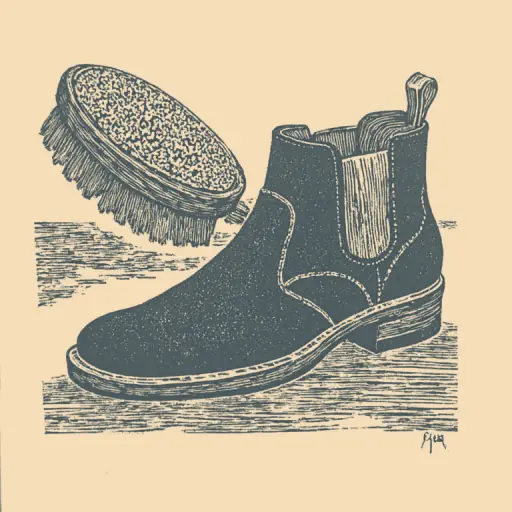
How to quickly and safely dry suede shoes at home?
- 9 min read
- 68
Suede footwear always looks elegant and expensive, but its main enemy is excess moisture. Getting caught in a downpour or careless washing can irreparably damage the delicate material. Improper drying often leads to material deformation, loss of softness, and the appearance of coarse stains.
How to quickly restore your favorite pair to its original look at home without damaging the delicate texture? In this guide, we will cover proven and safe methods that will help effectively absorb moisture and restore the velvety nap.
Safety Rules and Preparing Suede for Drying
Suede is an extremely delicate material that reacts instantly to any external influence. To avoid ruining your favorite pair after a rainy walk, it is important to observe strict safety rules even before starting active drying. Proper preparation is half the battle: it will prevent material deformation and the appearance of stiff stains. Let's review the basic steps that will protect your shoes from irreparable damage and prepare them for gentle moisture removal.
Why You Should Not Dry Suede Shoes on a Radiator
Drying suede shoes on a radiator or near heaters is the biggest mistake that can permanently ruin your favorite pair. Under the influence of aggressive dry heat, rapid and uneven material deformation occurs.
Natural suede instantly loses its elasticity, shrinks, and becomes coarse, and the adhesive seams may simply come apart under high temperatures. Instead of a soft, velvety nap, you risk getting stiff, deformed shoes. The only safe way is natural ventilation at room temperature, away from sources of active heat.
First Steps: Removing Moisture and Preparing Inside
As soon as you move the shoes away from heat sources, act immediately:
- Remove insoles and laces. Insoles retain up to 80% of the moisture and must be dried separately.
- Blot the surface. Use a dry microfiber cloth to gently collect water droplets from the outside, without rubbing dirt into the nap.
- Fix the shape from the inside. Stuff the shoes tightly with clean white paper or cotton fabric. This will help effectively absorb moisture and prevent material deformation.
Change the paper stuffing every 30–40 minutes for the first two hours to speed up the process.
Effective Home Methods for Quick Drying
Once the suede shoes are properly prepared and excess surface moisture is removed, the active drying stage begins. The main task at this step is to accelerate water evaporation without disturbing the delicate nap structure or causing material deformation. For this, you can use both simple household items with excellent absorbent properties and modern appliances. Below, we review the most reliable home methods that will help quickly restore dryness to the shoes and maintain their impeccable appearance without dangerous heat exposure.
Absorbent Agents: Paper, Towels, and Silica Gel
The gentlest way to quickly remove moisture from the inside is to use available absorbents. They help prevent material deformation and gently dry the suede.
- Paper. Stuff the shoes tightly from the inside. Regular newspaper is a popular but dangerous option: wet printing ink can irreparably stain light-colored suede. It is better to use clean paper towels, changing them every 1.5–2 hours.
- Fabric wipes. Small microfiber or cotton towels are excellent for absorbing moisture.
- Silica gel. Special bags with silica gel beads work the fastest. They effectively absorb dampness while maintaining the shoe's shape.
Using a Vacuum Cleaner and Special Electric Dryers
When time is short, household appliances come to the rescue, capable of delicately speeding up the process:
- Vacuum cleaner. Remove the hard nozzle and place the hose tube inside the damp boot. Turn on the appliance on suction for 5–10 minutes for each shoe. The vacuum cleaner will instantly remove accumulated water inside and provide intensive natural ventilation.
- Electric dryer. Use only specialized shoe dryers (models with UV light are excellent). They maintain an optimal temperature (around 40 °C), which prevents material deformation and glue drying. Simply place the devices inside and leave them for several hours.
Answers to Complex Questions: Drying with a Hair Dryer and Rescue After Washing
Even knowing the basic care rules, we often face emergency situations when shoes become soaked through after heavy rain or washing. In such moments, standard methods seem too slow, and radical measures are employed.
In this section, we will examine the most controversial and complex scenarios: we will find out if it is permissible to use a standard household hairdryer to speed up the process, and how to properly revive suede sneakers or boots if they are completely soaked inside.
Can You Dry Suede with a Hair Dryer
The question of drying suede with a hairdryer is one of the most frequent, and the answer is unequivocal: it is strongly not recommended. The high temperature of a hairdryer, especially on maximum settings, can cause serious problems for the delicate suede material. Suede, being a natural, porous material, is very sensitive to sudden temperature changes and over-drying.
What can happen when drying with a hairdryer:
- Shrinkage and deformation: Excessive heating will cause the suede fibers to contract sharply, leading to shrinkage, shape change, and loss of original softness. This is especially dangerous for sneakers and boots with complex geometry.
- Nap loss: A strong stream of hot air can damage the outer nap layer, making it stiff, brittle, and unattractive. Instead of velvety texture, the suede may take on the appearance of a 'bald' material.
- Color change: Heating can cause uneven fading or even the appearance of yellowish spots on the suede surface.
Instead of a hairdryer, use natural ventilation. If you need to speed up the drying process, it is best to ensure maximum inflow of fresh, cool air. Open windows in the room where the shoes are drying and leave the suede items in a well-ventilated area. This will allow the moisture to evaporate evenly and safely, preserving the material's structure.
Emergency Drying of Suede Sneakers and Boots from the Inside
To urgently dry suede sneakers or boots from the inside after heavy rain or washing, first be sure to remove the insoles and laces. Stuff the shoes tightly with clean white paper (newspaper with printing ink can irreparably stain light lining) or cotton wipes to quickly absorb moisture. Change the stuffing every 30–40 minutes.
For speeding up the process, fabric bags filled with silica gel, dry rice, or coarse salt heated on a pan are excellent. This approach will prevent material deformation, maintain the anatomical shape of the shoes, and ensure safe drying without the risk of overheating.
Restoring Suede Footwear After Drying
Even with the most careful drying, suede often loses its original softness and presentable appearance after the moisture evaporates. The nap clumps together, and the delicate material itself can become stiff to the touch. Proper care at this stage is critical: simply removing moisture is not enough; you must restore the shoe's former velvety texture and elasticity.
Let's explore how to safely revive the structure of dry suede, restore its softness, and brush the nap correctly without damaging the texture.
What to do if the suede has hardened
If the suede has become stiff and rough after drying, you can restore its elasticity at home. The main secret to restoration is the delicate application of heat and moisture.
- Light steaming: Hold the hardened area over the steam from a kettle or use a handheld steamer from a distance of 15–20 cm. The material should become slightly warm and damp, but under no circumstances should it be wet.
- Gentle massaging: Carefully massage the roughened areas with your fingers to soften the leather base from the inside.
- Specialized treatments: Apply a professional suede restoration spray that will return nutrients to the leather.
How to properly lift the nap with a special brush
After the shoe has completely dried and regained its softness, it is necessary to restore its original velvety texture. To do this, use a special combination suede brush:
- Rubber or silicone side: Gently lifts matted fibers and removes residual dry dust. Move the brush strictly in one direction so the nap lies evenly.
- Brass or stiff synthetic bristle side: Is indispensable for heavily crushed and creased areas. Brush these with light, short strokes without applying excessive pressure.
Important rule: Only begin lifting the nap when the suede is completely dry; otherwise, you risk irreversibly damaging the delicate material.
Conclusion
In the process of learning suede drying methods and subsequent care, several golden rules can be identified to help keep the footwear in perfect condition. The main takeaway is that suede is a very capricious material, and any neglect of the rules can lead to irreversible deformation or discoloration. Remember that the speed of drying should not come at the expense of the material's quality.
Key rules for safe drying:
- Avoid direct and intense heat: Under no circumstances should you dry suede on radiators, near heaters, or with a hot hairdryer. High temperatures draw out the natural oils from the fibers, making the suede stiff, brittle, and stripping it of its velvety texture.
- Prioritize natural ventilation: The safest and most effective method is drying at room temperature in a well-ventilated room. This allows moisture to evaporate gradually, preserving the material's structure.
- Active moisture removal: Regardless of the drying method, always start by maximizing the removal of excess moisture. Use absorbents (newspapers, silica gel, towels) and, if possible, dry the shoe in a vacuum cleaner. This will significantly reduce the process time and lower the risk of mold.
Remember: Proper care and drying are not just about preventing dampness; they are an investment in the longevity of your favorite suede footwear. By following these simple rules, you can enjoy the exquisite look of suede for many years to come.