How to Remove Lipstick Stains from Clothes, Fabric, and Skin Naturally
- 11 min read
- 119
Understanding Lipstick Stains: Why They Happen and What to Expect
Lipstick stains are more complex than simple spills because they are a combination of pigments, oils, waxes, and emollients. Understanding this composition is key to effective removal. When lipstick transfers, it leaves behind a sticky, pigmented residue that bonds with the fibers of your clothing or the delicate skin of your face.
Why do these stains happen?
- Pigment Transfer: The colored compounds (dyes) are the most visible part, staining the fabric or skin. These pigments are often oil-based, making them difficult to lift.
- Oil and Wax Base: Most lipsticks contain oils (like mineral oil or petrolatum) and waxes to give them texture and longevity. These fatty components are stain magnets, requiring degreasing agents for removal.
- Emollients: These ingredients help the lipstick glide and condition the lips, contributing to the overall residue that can transfer to other surfaces.
Knowing that the stain is a mix of pigment, oil, and wax dictates that a multi-pronged approach—one that tackles color, grease, and residue—is necessary for successful stain removal.
The First Line of Defense: Immediate Stain Removal Techniques
When a lipstick stain hits, immediate action is key to minimizing damage. The goal of initial treatment is to lift the stain without pushing the pigments deeper into the fibers or skin.
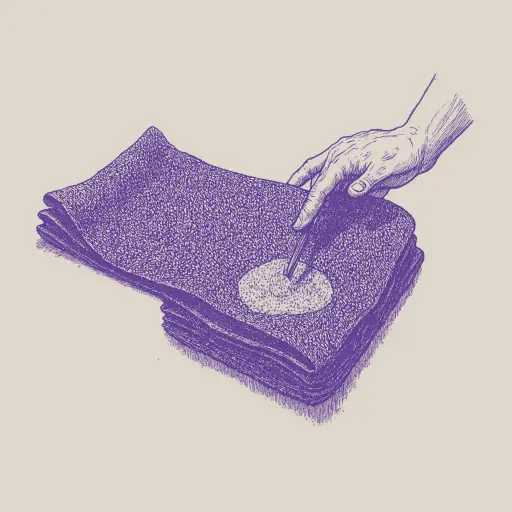
For Fabric: Never rub the stain! Rubbing only spreads the oils and pigments, setting the stain. Instead, gently blot the area with a clean, dry cloth or paper towel. If the stain is fresh, apply a small amount of mild dish soap (which cuts through grease) directly onto the stain, and then blot again. For immediate, temporary stain lifting, a cotton swab dipped in a little rubbing alcohol can be used on non-delicate fabrics, but always test this first.
For Skin: If the stain is on your lips, face, or hands, do not panic. Gently wipe the area with a cotton swab dipped in a non-acetone makeup remover or a small amount of baby oil. For persistent stains on the hands, a gentle scrub with mild soap and warm water usually suffices. Remember, the sooner you treat it, the easier the removal will be.
Handling Lipstick Stains on Skin (Lips, Face, and Hands)
While the best way to remove lipstick from fabric is to act fast, removing it from skin requires different, gentler techniques. For lips, the most effective method is simply using a dedicated lip balm or a gentle facial cleanser. For stains on the face or hands, avoid harsh scrubbing, which can irritate the skin and spread the pigment. Instead, use a cotton pad soaked in a mild, non-alcohol-based makeup remover or a gentle baby wipe. For stubborn residue on hands, a little bit of cooking oil (like coconut or olive oil) applied to the stain, left for a minute, and then gently rubbed off with a washcloth can lift the pigment without stripping natural oils. Always follow up with a moisturizing lotion to restore the skin's natural barrier.
Pre-treatment Steps for Fresh Stains on Fabric (Never Rub!)
When a fresh lipstick stain hits your clothing, panic is counterproductive. The golden rule of stain removal is simple: never rub the stain. Aggressive scrubbing can force the pigment deeper into the fabric fibers, setting the stain permanently. Instead, focus on gentle absorption and pre-treatment.
- Blot, Don't Rub: Use a clean, white cloth or paper towel to gently blot the stained area. This lifts excess pigment without damaging the fibers. Work from the outside edges of the stain inward to prevent spreading.
- Use Cold Water: Apply cold water directly to the stain. Hot water can react with the dyes and set the stain, making it much harder to remove later. The cold rinse helps to lift the initial surface residue.
- Apply a Pre-Treatment Agent: For immediate action, apply a mild stain remover or a mixture of dish soap and hydrogen peroxide (if the fabric is white and colorfast). Gently dab the solution onto the stain, allowing it to sit for 5–10 minutes. This initial treatment breaks down the makeup oils and pigments, preparing the fabric for a deeper wash.
Advanced Stain Removal: Targeting Various Fabric Materials
The fabric composition is crucial when tackling lipstick stains, as harsh treatments can damage delicate fibers. For delicate fabrics like silk, wool, and lace, gentle handling is paramount. Never use abrasive scrubbing. Instead, apply a small amount of mild detergent mixed with cold water to a clean cloth. Gently blot the stained area, working from the outside inward to prevent spreading. For wool, specialized wool stain removers are safest. Lace requires even more caution; consider spot cleaning only and letting the area air dry completely.
Durable fabrics such as cotton, polyester, denim, and blends can withstand more robust cleaning. For these materials, a combination of dish soap (which is excellent at breaking down pigments) and hydrogen peroxide (for color-safe whitening) can be effective. Apply the mixture directly to the stain, let it sit for 10-15 minutes, and then wash the garment according to its care label instructions. For denim, pre-soaking in a solution of white vinegar and mild detergent can lift the deep pigments.
Best Methods for Delicate Fabrics (Silk, Wool, and Lace)
When dealing with delicate fibers like silk, wool, or lace, caution is paramount. These materials are highly susceptible to damage from harsh scrubbing or strong chemicals. For silk, which is protein-based, gentle spot cleaning with a mild detergent (like baby shampoo) and cool water is best. Apply the solution to a clean cloth, not directly to the stain. For wool, never use hot water, as it can cause shrinkage. A specialized wool stain remover or a mixture of mild soap and cool water, gently dabbed with a soft brush, is recommended. Lace requires the utmost care; treat it as a delicate net. Use a very mild, pH-neutral soap and blot the area with cold water. Always test any cleaning solution on an inconspicuous area first to ensure it doesn't alter the fabric's color or texture.
Cleaning Durable Fabrics (Cotton, Polyester, Denim, and Blends)
Durable fabrics like cotton, polyester, denim, and sturdy blends are generally more forgiving than silks or laces, allowing for a slightly more robust cleaning approach. However, 'durable' does not mean 'wash-and-forget.' Always test any stain remover on an inconspicuous area first. For fresh stains, gently apply a mixture of mild detergent and cool water, allowing it to sit for five minutes. Never use hot water, as heat can set the pigment, making removal impossible. For set stains, a combination of dish soap (which is excellent at breaking down oils) and a little white vinegar can be highly effective. Gently scrub the stained area with a soft-bristled brush, working from the outside inward to prevent spreading. Finally, rinse thoroughly with cool water and air-dry the garment to ensure all residue is removed.
Deep Dive into Stain Removal Solutions (DIY & Commercial)
The effectiveness of stain removal often hinges on the solution used. When dealing with lipstick stains, the goal is to break down the pigment and oil components.
Household Hero Ingredients
For natural stain removal, a combination of household items works wonders. Alcohol (like rubbing alcohol or high-proof vodka) is highly effective because it dissolves the oils and pigments found in most lipsticks. Apply it to a clean cloth, gently blotting the stain rather than rubbing. Oil-based removers (like baby oil or mineral oil) are excellent for lifting the waxy components, especially from skin or porous fabrics. Finally, a mild, pH-balanced detergent (like dish soap) acts as a gentle surfactant, helping to lift the stain residue from the fibers.
When to Buy a Stain Remover: Commercial vs. Natural Products
While natural remedies are great for minor spills, commercial stain removers offer targeted power. For tough, set-in stains, a dedicated product formulated for makeup removal is often superior. Always check the label to ensure the product is safe for the specific fabric type (e.g., avoid harsh chemicals on silk). If the stain is fresh, a natural solution like diluted dish soap is best. If the stain is old or deeply set, a commercial pre-treatment spray or stain stick will provide the necessary strength.
Beyond Cleanup: Prevention and Maintenance Tips
While stain removal is crucial, the best defense is prevention. Adopting smart habits can drastically reduce the frequency and severity of lipstick stains.
Proactive Lipstick Application Tips:
- Use Blotting Papers: Before leaving the house, gently blot your lips with a tissue or blotting paper to remove excess product. This minimizes the amount of pigment available to transfer.
- Layering is Key: Instead of applying a thick layer, apply lipstick in thin layers, allowing each layer to set slightly. This helps the pigment adhere more uniformly.
- Carry a Lip Balm: Keep a non-staining lip balm handy. If your lips start to look dry or patchy, reapply the balm first, then reapply the lipstick.
Emergency Stain Management Kit:
- Always keep a small kit in your purse containing: a lint-free makeup remover wipe, a cotton swab (Q-tip), and a small amount of baby oil or micellar water. These items are perfect for immediate, minor touch-ups on skin or fabric before reaching a sink or laundry facility.
- Remember: Quick action is always better than waiting until the stain sets, whether on your skin or your favorite garment.
Proactive Lipstick Application: Tips for Minimal Transfer
Preventing a stain is always easier than removing one. A few simple habits can drastically reduce the likelihood of lipstick transfer onto clothing or skin. When applying lipstick, always use a tissue or blotting paper to gently blot the product onto the lips first. This removes excess pigment, ensuring that the stain is contained to the lips themselves, not transferred to your fingers or clothing. Furthermore, consider carrying a small, lint-free makeup wipe or a dedicated lip tissue. Before leaving a venue or changing clothes, a quick wipe-down prevents accidental contact with collars, cuffs, or scarves. If you are wearing dark or light-colored clothing, be extra mindful of touching the fabric with your lips or hands, as this is a common, yet easily avoidable, source of transfer.
Emergency Stain Management Kit: Being Prepared On-the-Go
Even the most careful wearer can face an unexpected stain. Having a dedicated, portable kit ensures you can act immediately, minimizing damage before reaching home. This 'on-the-go' approach is crucial for both fabric and skin.
The Essential Emergency Stain Kit Checklist:
- For Fabric: A small amount of mild, stain-safe soap (like baby wash or gentle hand soap), a few cotton swabs, and a small, lint-free cloth. Crucially, avoid using harsh chemicals or excessive scrubbing.
- For Skin: Micellar water or a gentle facial wipe. These are non-abrasive and effective for lifting makeup residue from hands or face.
- The Stain Lifter: A travel-sized bottle of rubbing alcohol (isopropyl alcohol) or a dedicated makeup remover wipe. Alcohol is excellent for breaking down the oils and pigments in lipstick, making it easier to wipe away.
Quick Stain Protocol: If a stain occurs, immediately blot the area with a clean, dry cloth. If it's on fabric, gently dab the stain with a cotton swab dipped in alcohol, working from the outside edges inward. For skin, gently wipe the area with micellar water. Remember, speed and gentle blotting are your best allies.
Final Thoughts: Keeping Your Wardrobe and Skin Pristine
Mastering lipstick stain removal is less about finding a single magic cure and more about adopting a comprehensive, preventative mindset. While this guide has provided detailed solutions for everything from delicate silks to stubborn denim, remember that the best stain removal is always the removal that never has to happen.
- Prevention is Paramount: Always carry blotting papers or a makeup remover wipe. Blotting excess product immediately after application minimizes the amount of pigment that can transfer. Consider using lip liners or stain-resistant balms designed for longevity.
- The Power of Routine: When removing makeup, use dedicated cleansing oils or micellar water rather than harsh rubbing. This gentle approach ensures that both your skin and your clothing are treated with care.
- Maintenance Mindset: Treat your wardrobe and your skin with the same level of care. By understanding the chemistry of stains and the proper cleaning techniques for different materials, you can keep your favorite garments vibrant and your skin pristine, ensuring that lipstick remains a source of confidence, not cleanup crises.