How to restore the shape of a deformed hat at home?
- 14 min read
- 77
Each of us has encountered an annoying situation: a favorite knitted hat has shrunk a couple of sizes after washing, an elegant felt hat has lost its shape after being stored in a closet, and the stiff brim of a baseball cap has bent beyond repair. The deformation of headwear is a common problem faced by both proponents of conscious consumption and those who simply chose the wrong washing machine setting by accident. However, do not rush to throw away the damaged accessory or send it to the dacha.
It is quite possible to restore the shape of a headwear item at home without resorting to expensive dry cleaning services. In this practical guide, we will detail how to restore the original look to a hat, straighten a cap, or carefully reshape a crumpled baseball cap. You will learn how delicate steaming, ordinary laundry conditioner, and even an inflatable balloon can work a real miracle on delicate wool yarn, capricious felt, and dense cotton. Proper drying and a little patience—and your favorite items will once again take a worthy place in your wardrobe!
Preparation and Damage Assessment: Why Hats Lose Their Shape
Before grabbing the steamer or soaking your favorite headwear, it is necessary to conduct a quick "diagnosis." The success of the entire rescue operation directly depends on understanding why the item lost its original appearance and what material it is made of. The wrong approach can permanently damage the fibers, making the deformation process irreversible.
At this stage, we will examine the hidden factors that steal the volume and shape of our items, and we will learn how to accurately determine the composition of the item. This will allow us to select the most delicate and effective revival method, whether it is a fluffy knitted hat or a stiff felt hat.
Main Causes of Deformation: From Washing Errors to Improper Storage
The loss of headwear shape is always the result of violating care rules. To effectively restore the original look of a favorite item, it is important to understand what exactly caused the deformation.
Here are the main factors that destroy the structure of headwear:
- Washing errors. Using hot water (above 30 °C) and aggressive machine spin cycles are detrimental to delicate materials. Wool yarn instantly shrinks and clumps from this, and the stiff frame of a baseball cap or a felt hat can completely lose its contours.
- Improper drying. Drying a knitted hat on a clothesline, hung with clothespins, or laying it out on a hot radiator is a grave mistake. Under the weight of the water, the fibers stretch, and from the excessive heat of the radiator, they become coarse and compressed.
- Careless storage. If felt items or caps are folded on top of each other in a tight closet for the summer season, deep creases form on them that are extremely difficult to straighten later.
Understanding these causes will help not only to carefully restore the item using methods such as delicate steaming or using laundry conditioner but also to prevent similar problems in the future.
Determining Material Type and Choosing a Delicate Restoration Method
Before restoring the look of a hat or trying to straighten a cap, it is necessary to accurately determine the fabric composition. A mistake at this stage can permanently ruin the item. Carefully examine the inner label of the item. If it is cut off, rely on tactile sensations and fiber properties.
Here is a quick guide for selecting a delicate restoration method depending on the material:
- Wool and wool blends (knitted hat): Wool yarn is extremely sensitive to hot water and friction. For its revival, only gentle soaking using laundry conditioner is suitable, followed by drying on a voluminous form (an inflated balloon or a glass jar will work perfectly).
- Natural felt (felt hat): This dense material does not tolerate direct contact with water. To eliminate deformation, delicate steaming with an iron (through cheesecloth) or a steam generator from a distance is used.
- Cotton and blended fabrics with a stiff frame (baseball cap, cap): To reshape a crumpled cap and restore the headwear's shape without damaging the brim, local humidification and fixation on a rigid base will be required.
Correctly identifying the fibers will protect the headwear from shrinking and help restore its original geometry.
Restoring Knitted and Knit Hats
Knitted and knit headwear most often suffers from improper care. One mistake with water temperature during washing or accidentally spinning a favorite wool hat in a washing machine is enough for it to turn into a shapeless lump or, conversely, stretch several sizes. Fortunately, the high plasticity of knit fibers and wool yarn works in our favor: the structure of the threads can almost always be returned to its original state.
This requires delicate physicochemical action that restores the fibers' former elasticity, followed by proper shape fixation during drying. Below, we will examine proven home methods that will help gently revive even heavily deformed knitted items, restoring their softness and impeccable appearance.
Reviving Wool Items with Conditioner and Re-soaking
Wool yarn is extremely sensitive to temperature fluctuations and aggressive detergents, causing the fibers to contract and the knitted hat itself to "shrink" and lose elasticity. A regular hair conditioner or a high-quality laundry conditioner will help restore its original look. These products act as softeners: they penetrate the wool structure, relax the compressed scales of the fibers, and make the threads pliable for gentle stretching.
Step-by-step algorithm for saving a wool hat:
- Prepare the solution. Pour cool water (not hotter than 30 °C) into a basin. Add 1–2 tablespoons of hair conditioner or balm and mix thoroughly until completely dissolved.
- Soak the item. Submerge the deformed hat in the water, gently kneading it with your hands so that the solution fully permeates the fibers, and leave it for 20–30 minutes.
- Remove excess moisture. Carefully remove the hat without wringing it. Gently squeeze it by hand, then lay it on a terry towel, roll it into a towel, and blot the excess water.
- Shape it. While the wool is damp and elastic, gently stretch the hat by hand to the desired size in all directions.
This delicate method allows for the safe restoration of shape even to heavily shrunk items, preparing them for the next crucial stage—proper drying.
Proper Drying: Using Balloons, Jars, and Household Items
After the wool fibers have softened under the influence of the conditioner, the decisive stage begins—fixing the shape during drying. A wet knitted item is extremely plastic, so it is strictly forbidden to dry it hanging on a line or on hangers: under the weight of the water, the hat will stretch beyond repair.
To restore the correct silhouette, use proven home molds:
- Balloon. An ideal method that allows for precise size adjustment. Insert an uninflated balloon inside the damp headwear and gently inflate it until the knitwear relaxes to the natural volume of your head. Tie it with thread and leave it to dry completely.
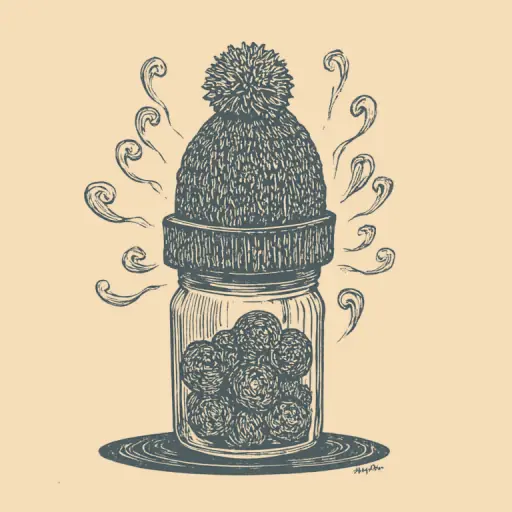
- Glass Jar. Our mothers' classic method. A three-liter jar perfectly mimics the shape of a head. If the diameter is too small, wrap the jar in a clean terry cloth towel—this will not only increase the volume but also speed up moisture absorption.
- Balls and Deep Salad Bowls. A small soccer ball or an inverted deep bowl will also serve as an excellent frame for a round knitted cap.
Dry the item away from heating appliances and direct sunlight at room temperature. Periodically change the mold (if using a towel) to prevent musty odors.
How to Restore the Shape of Felt Hats and Visors
Unlike soft knitwear, which easily takes the desired shape during delicate drying, headwear with a rigid frame requires a fundamentally different approach. Felt hats, baseball caps, and visors are extremely sensitive to excess moisture and mechanical pressure. Improper washing, dropping, or incorrect storage in a tightly packed closet can instantly deform their dense elements, robbing the accessory of its former elegance.
Restoring such items at home is an almost jeweler-like process. Here, it is important not just to restore the volume, but also to carefully fix the rigidity of the structure without damaging the delicate fiber structure. For this, we will need controlled heat exposure, delicate steam, and the correct shaping molds.
Safe Steaming of Felt with an Iron or Steam Generator
Felt is a delicate material made of felted wool, which readily takes shape under the influence of moist heat. To restore the shape of a felt hat and eliminate creases, it is best to use a handheld steam generator or an iron with a vertical steaming function.
Step-by-step algorithm for safe steaming:
- Preparation: Clean the hat from dust with a dry soft brush. If there is a leather band inside, try not to direct hot steam onto it so that it does not shrink.
- Steaming Process: Direct the steam jet onto the deformed area from a distance of 10–15 cm. Under no circumstances should you press the hot soleplate of the iron directly onto the felt to avoid scorching and shiny marks.
- Shaping: When the material becomes soft and slightly damp, gently smooth out the wrinkles with your hands from the inside. To restore the crown, you can use a jar of appropriate size wrapped in a towel, or a special mannequin. Restore the brim of the hat to a straight shape by smoothing it with your fingers on a flat surface.
- Fixing: Leave the headwear to dry in natural conditions away from heating appliances. The felt will retain the new shape as it cools and dries.
This gentle method allows for the quick restoration of the headwear's shape without the risk of damaging the noble texture of the wool.
Methods for Straightening Visors and Rigid Baseball Cap Frames
Baseball caps and visors with rigid frames require a delicate approach, as their geometry is maintained by internal polymer stabilizers and the dense insert in the visor. Before starting, it is important to determine the material of the visor base. Modern plastic handles moderate heat and moisture well, whereas pressed cardboard in vintage or budget models can become soggy and completely ruined from excess water.
Step-by-step method for straightening the visor:
- Steam Heating. Hold the visor over steam from a kettle spout or treat it with a handheld steamer from both sides for 30–50 seconds. The internal plastic insert will become pliable.
- Shaping. If you need a classic curved profile, gently wrap the warm visor around a clean 1.5-liter glass jar or a sports bottle, securing it with a wide elastic band until it cools completely. If a perfectly straight visor is required, place it under a heavy flat press (such as a stack of books) through a cotton cloth.
Restoring the Rigid Crown (Frame):
To restore the roundness of the front panel of the baseball cap, stuff the crown tightly from the inside with a terry cloth towel or place the cap on a ball of appropriate size. Slightly moisten the wrinkled areas with warm water from a spray bottle mixed with a drop of laundry conditioner. Dry the frame with a household hairdryer on medium heat while smoothing the fabric with your palm.
Preventive Care: How to Avoid Repeated Deformation
Successfully restoring the shape of a favorite headwear is only half the battle. As a practicing wardrobe care expert, I always remind you: it is much easier to prevent the deformation of delicate materials than to subject them repeatedly to intensive restoration procedures. Wool, felt, and rigid baseball cap frames have a 'fiber memory' that weakens over time from constant stretching and aggressive heat exposure.
To ensure your hats and caps retain their original silhouette for years, you need to adjust basic household habits. Proper daily care and smart preparation of items for the off-season will permanently save you from the need for emergency accessory resuscitation. Let's look at the key preventive measures that will help maintain the fiber structure and shape rigidity at home.
Rules for Gentle Washing and Drying of Headwear at Home
For your favorite knitted cap, felt hat, or baseball cap to retain its original appearance for years, prevention must be the foundation of care. Most deformations occur during the cleaning and drying stages, so following simple rules will save you from the need for emergency item rescue.
Golden Rules of Gentle Washing:
- Temperature Control: Wash headwear exclusively in cool water (no higher than 30 °C). Hot water is the main enemy of wool yarn, causing instant shrinkage and fiber felting.
- Delicate Detergents: Ditch aggressive dry powders in favor of liquid gels. When rinsing, always use a mild laundry conditioner—it will maintain the elasticity of the threads and prevent the fabric from becoming coarse.
- No Rubbing or Wringing: Wash items by hand using gentle squeezing motions. To remove excess moisture after rinsing, wrap the hat in a dry terry cloth towel and gently blot it, avoiding twisting the fibers.
Rules for Proper Drying:
- Horizontal Position: Knitwear should only be dried laid flat on a level surface, with a dry towel underneath (which must be changed as it gets damp). Drying on a line or with clothespins will guarantee stretching the item under its own weight.
- Using Shape Maintainers: Baseball caps and felt hats should not be dried folded. To maintain the rigid structure, use a suitable form: a deep bowl, a mannequin, or a regular balloon inflated to the desired size.
- Natural Conditions: Never place headwear on a radiator and avoid direct sunlight. Natural air circulation in a ventilated room is the best way to dry the item without the risk of deformation.
Secrets of Seasonal Storage: How to Preserve the Shape of Hats and Caps Until Next Winter
Proper preparation and storage of headwear during the off-season is the key to avoiding the need to revive them again in the autumn. The main rule: never store items dirty or damp. Even minimal moisture inside the fibers of wool or felt under pressure from other items will lead to permanent deformation and the development of an unpleasant odor.
Here are the key secrets for gentle seasonal storage for different types of headwear:
- Knit and knitted caps. Never hang them on hooks or hangers—the wool yarn will stretch under its own weight. Gently fold the items without compressing them. It is best to use cloth cotton bags or cardboard boxes that allow for air circulation. Be sure to place a sachet of lavender inside to protect against moths.
- Felt hats. The ideal option is special cardboard hat boxes. The hat should be placed brim-down so that the brim does not deform under the weight of the item itself. If a box is unavailable, stuff the crown with clean tissue paper (do not use newspaper, as printing ink can damage the lining) and wrap the hat in cotton fabric.
- Baseball caps and caps with a stiff brim. To maintain the rigid structure, insert a plastic holder, a small inflatable ball, or a dense ball of paper inside the crown. Store them in a row, nesting one cap's crown into another, in a dry, dark closet.
Avoid vacuum bags for storing headwear with a rigid shape or delicate wool yarn. Strong compression will guarantee deep creases that will be extremely difficult to smooth out even with professional steaming.
Conclusion
Restoring the shape of a headpiece is not just about knowing how to "save" a hat after washing, but also about understanding the principles of gentle care for textiles in general. Remember that every material (wool, felt, knitwear) requires its own unique approach, and there is no universal "magic" remedy. The main takeaway from our guide: prevention is always more effective than emergency restoration.
Key rules to remember:
- Know Your Material: Before doing anything, determine what the headwear is made of. Wool requires conditioning and wet soaking; felt requires gentle steaming; knitted fabric requires gentle hand washing and shaping while drying.
- Drying is Half the Battle: Never hang headwear on hangers, and do not dry it in direct sunlight. Drying in a well-ventilated room is ideal, using household items (balls, forms, balloons) to maintain volume.
- Storage is the Key to Longevity: Seasonal storage must be as gentle as possible. Use dust covers, and store headwear away from sources of moisture and sudden temperature changes. This prevents not only deformation but also mold growth.
Remember that caring for headwear is part of a conscious wardrobe. Proper care extends the life of beloved items, allowing them to retain not only warmth but also their original, perfect appearance. By following these simple but important rules, you will not only restore the shape of a deformed hat but also learn to appreciate every element of your wardrobe, making it more durable and beautiful.