How to style an Italian beard: detailed guide to trimming and care
- 15 min read
- 64
The Italian style has always been associated with impeccable taste, elegance, and a light, charismatic boldness. A vivid embodiment of this philosophy in men's grooming is the Italian beard, better known worldwide as the Balbo beard. This iconic style, named after the Italian aviator and politician Italo Balbo, has gone a long way from a historical military attribute to a favorite look of Hollywood stars and modern gentlemen.
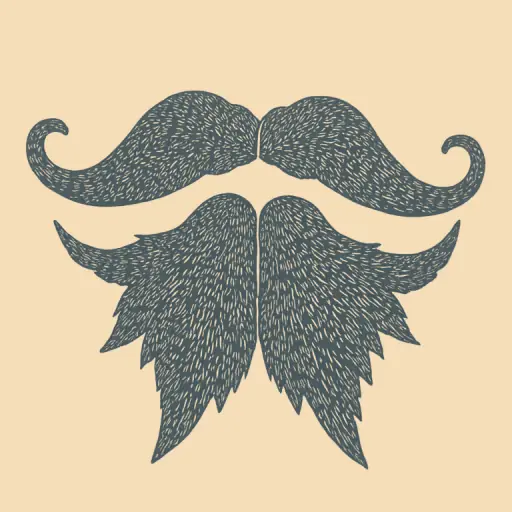
Structurally, the Balbo beard is an artful combination of neat mustache and a shaped goatee without sideburns, separated by a characteristic shaved gap. This men's style perfectly accentuates the jawline, visually corrects facial shape, and lends the look a special expressiveness.
Many believe that creating such complex geometry at home is impossible without the help of a professional barber. However, with a quality beard trimmer, a razor, and a clear step-by-step instruction, you can easily master the beard trim at home. In this guide, we will detail all the stages: from preparing the stubble and shaving the cheeks to delicately shaping the mustache and subsequent beard care.
Preparation for Trimming: Assessing Face Shape and Choosing Tools
Creating a flawless Italian Balbo beard at home requires not only a steady hand but also thorough preparation. Before picking up the trimmer, it is necessary to assess your individual facial features and gather the correct arsenal of tools. The success of the upcoming trim directly depends on how harmoniously the beard shape relates to your facial proportions and the quality of the instruments you use.
In this section, we will discuss how to correctly match the geometry of the Italian style to your face type, and we will prepare the minimum set of hairdressing tools needed to achieve a salon result right in front of your home mirror.
Who Suits the Italian Balbo Beard
The Italian Balbo beard is not just a fashionable accessory, but a complete look that must harmonize with your individuality and facial features. Before picking up the tools, you need to conduct a 'audit' of your face to understand how this style will accentuate your unique anatomy. The Balbo beard, due to its structure (separate mustache and beard, not connected into a single mass), has a unique ability to correct facial proportions.
Who is the Balbo beard ideal for?
- Oval face: This is the ideal 'canvas' for any style, including Balbo. The beard will emphasize natural harmony and lend the look refined sophistication. You can experiment with length and contrast here.
- Rectangular (elongated) face: Balbo visually 'shortens' the face, drawing attention to the middle part of the face. This helps balance excessive verticality, making the proportions softer.
- Square face: The Balbo style softens the sharp angles of the jaw. The neat, clearly defined lines of the mustache and beard help add elegance to the face without overwhelming it with mass.
Who should be more cautious?
- Round face: Avoid overly short and rounded variations. If you decide to go for Balbo, emphasize longer, elongated mustaches to visually lengthen the upper part of the face.
Important nuance: hair type. It is ideal if the hair grows densely and evenly. If the growth is uneven, don't worry: Balbo allows you to work with contrast. Use longer, well-groomed mustaches to distract from less dense areas of the beard, and vice versa. Remember that the main thing in this style is not just length, but the impeccable symmetry of the lines.
Tools for Creating Perfect Contours at Home
To create a flawless Italian Balbo beard at home, you will need an arsenal that ensures jeweler-like precision in the lines. An ordinary razor is not enough here—the Balbo style requires a clear separation of zones and perfect smoothness on the cheeks.
Here is the basic set of tools required for the job:
- Beard trimmer with a T-blade. This is your main tool. The T-blade allows you to create maximally even boundaries and easily shape the signature gap between the mustache and beard.
- T-blade classic razor or straight razor (safety razor). These are indispensable for clean shaving of the cheeks and neck. A sharp, smooth contour is the hallmark of the Italian style.
- Hairdressing scissors. Small scissors with sharp tips will be useful for spot correction of the mustache and removing stray hairs.
- Comb with fine teeth. Helps to correctly direct the hair during trimming and evenly distribute cosmetic products.
By preparing these tools, you can achieve a salon result right at home.
Step-by-Step Process of Trimming the Italian Beard
The transition from theory to practice is the most critical stage in creating an impeccable Italian style. Trimming the Balbo beard requires extreme precision, as its hallmark is calibrated geometry and a perfect balance between smoothly shaved areas and dense growth. Mistakes at this stage can easily disrupt symmetry, so it is important to follow a strict sequence of actions.
Before touching the trimmer, you must properly prepare the 'canvas'—your face and hair. We will start with basic hair preparation to facilitate blade gliding, and then move on to the staged creation of that recognizable silhouette that will favorably accentuate the jawline and lend the look true Italian charm.
Preparing the Stubble and Preliminary Length Adjustment
Before picking up the trimmer, thoroughly prepare the facial hair. The beard must be washed with a special shampoo to remove excess sebum and styling residue. Clean hair becomes softer and is easier to cut. After washing, pat your face dry with a towel and let the hair dry completely naturally—it is strongly not recommended to trim wet stubble, as the length will be shorter than planned once it dries.
Thoroughly comb the dry beard with a comb in the direction of hair growth—from the ears to the chin. This helps straighten the hairs and reveal hidden unevenness.
For preliminary leveling, use a trimmer with an adjustable guard. If you have been growing dense growth, start with a longer length (e.g., 6–8 mm), gradually decreasing the step to the desired base length for the future Italian beard (usually 3–5 mm). Evenly pass the guard over the entire stubble area, moving against the direction of hair growth. This will create a uniform 'base' on which it will be much easier to define the symmetrical and sharp contours of the Balbo style.
After leveling the overall beard length, it is time to create that recognizable, sharp silhouette of the Italian beard. This stage requires precision, as it is the shaving of the contours that distinguishes the "Balbo" from regular thick stubble. The main task here is not just to remove excess, but to create a contrast between hair growth and clean skin.
1. Defining Neck Boundaries:
The most common mistake beginners make is cutting too low. The neck line should not go below the angle of the Adam's apple. Imagine drawing a line from the corner of the chin to the middle of the neck, but without going lower. Use a trimmer with the smallest guard (or a razor) and carefully trace this line to create a clean, even transition. This will visually lengthen the neck and make the beard appear more "attached" to the face.
2. Cleaning the Cheeks:
For the Italian style, the beard must look like a single, yet clearly defined element. Therefore, it is necessary to carefully shave the hair on the cheeks that grows above the natural beard line. Run the trimmer along the upper edge of the beard, trying to maintain the natural curve, but removing all "excess" strands that might create an impression of sloppiness. Remember: the goal is not to shave down to zero, but to create a perfect, clean contour.
3. Shaving Technique:
Always use the shaving technique in the direction of hair growth. This minimizes irritation and allows for the most even cut. After trimming the contours, be sure to rinse the area with cold water and apply a soothing balm. This will close the pores and set the perfect shape you just created.
Detailing: Creating the Moustache and Signature Gap
Once the main contours on the cheeks and neck are defined, it is time to move on to the most delicate part of the work. It is the details that define the true Italian style and transform regular stubble into the legendary Balbo beard. The main feature of this look is the absolute autonomy of the moustache and the precise geometry in the chin area. At this stage, you will need maximum concentration and a sharp trimmer. We will detail how to create that signature gap that visually separates the moustache, and how to correctly shape the patch under the lower lip to emphasize the masculine lines of the face and give the cut an impeccable salon look at home.
How to Properly Separate the Moustache from the Beard
The main feature of the Balbo Italian beard is the clear, expressive gap between the moustache and the beard itself. To make this element look stylish, not sloppy, follow this proven algorithm:
- Determine the gap width. The optimal distance between the edge of the moustache and the start of the beard is from 1 to 1.5 cm. Refer to the corners of the lips—the break must be strictly symmetrical on both sides.
- Create a rough boundary. Take a trimmer without a guard (or a special detailing trimmer) and carefully cut a vertical line from top to bottom, separating the moustache from the stubble on the chin.
- Shape the lower edge of the moustache. Run the trimmer along the line of the upper lip. The hairs must not extend onto the red border of the lips. The moustache should look like a separate, neatly trimmed element.
- Finishing shave. Apply a drop of clear shaving gel to the cleared gap area and treat it with a razor or straight razor. The skin in this area must be absolutely smooth to emphasize the geometry of the style.
Remember symmetry: constantly evaluate the result in the mirror while looking straight ahead, not from the side.
Sculpting the Area Under the Lower Lip and Chin
After we have clearly separated the moustache from the main beard, the next critically important step is sculpting the area under the lower lip and the chin. These contours give the Balbo style its recognizable, sculptural shape, distinguishing it from a classic full beard. Maximum precision is required here to avoid "smudging" the lines and maintain the contrast between clean skin and dense growth.
Chin Sculpting Technique:
- Defining the line: Ideally, the chin line should be clear, but not harsh. Use a magnifying mirror and a comb to visually determine the natural curve of the chin. The line should follow the contours of the bone, not just be straight.
- Correcting the shape: If the beard is too voluminous in this area, use a trimmer with a 1-2 mm guard. Move along the line, trimming the hair to create a "lifted" and sharp effect. It is important not to shorten the beard too much so that it retains its volume, but also not to let it "slump" into one mass.
- Working with angles: Pay special attention to the angles where the beard meets the cheeks. These transitions must be smooth, yet clearly defined. Use a trimmer to create a soft, yet noticeable transition that visually "lifts" and sharpens the chin.
Shaping the Lower Lip (The "Patch" Area):
The Balbo style often utilizes a "patch" effect—a small, neat area of dense stubble located directly under the lower lip. If you want to achieve this effect, you must:
- Preparation: Thoroughly clean the skin in this area. Use a razor or trimmer to create a perfectly smooth, clean "field" around the future "patch" beard.
- Shaping: Trim the hair in this area to a minimal, yet noticeable length (0.5–1 cm). This area should be denser and more contrasting relative to the rest of the beard to draw attention to the center of the face.
Remember: the key in this area is contrast. A clear, clean contour around the lip and a neat, yet dense "patch" will create the necessary dramatic accent, completing the Balbo style look.
Subsequent Care, Styling, and Error Correction
Creating flawless contours for the Italian beard is only half the battle. The Balbo style demands meticulous precision, which is easily lost without the right care and styling routine. To keep the hairs lying perfectly and the defined shape from blurring after just a couple of days, it is important to learn how to maintain the created geometry at home.
In this section, we will discuss how to maintain the health of facial hair, make coarse stubble manageable and soft, and review typical mistakes men make when trimming themselves, along with ways to quickly correct them.
Cosmetic Products for Maintaining Shape and Stimulating Growth
The Italian beard (Balbo style) requires not only meticulous precision in trimming but also high-quality daily care. Due to the separate structure of the moustache and chin area, the hairs must lie perfectly, emphasizing the precise boundaries and the signature gap.
To maintain a flawless shape and stimulate hair growth, use the following set of products:
- Beard Oil. This is the foundation of care. It nourishes the hair follicles, softens coarse stubble, and relieves itching during the growing phase. For growth stimulation, choose products containing castor oil, burdock oil, or chili extract, which activate blood circulation.
- Styling Balm or Wax. Essential for fixing the mustache and maintaining the shape of the lower beard. The wax helps neatly sweep the mustache to the sides and fix it separately from the beard, preserving that Italian charm.
- Gentle Beard Shampoo. Cleans the hair of styling residue and sebum without drying out the facial skin.
Expert Tip: Apply the oil to a slightly damp beard after showering. Rub 2–3 drops in your palms, distribute it along the entire length, and comb through with a wooden comb for even distribution.
Common Mistakes When Self-Trimming and How to Avoid Them
Modeling the Italian beard (Balbo) requires jeweler's precision. Even a minor slip with the trimmer can disrupt the geometry of this sophisticated style. Let's look at the key mistakes men make when trimming at home and how to prevent them:
- Trimming Wet Hair. Damp stubble appears longer and more manageable. If you trim it in this state, the hairs will stand up after drying, revealing unevenness and patches. Solution: Trim and define the contours only on completely dry beard hair.
- Too Wide Gap Between Mustache and Beard. The signature feature of the Balbo is the neat separation between the mustache and the beard. If you make it too large, the look loses its cohesion. Solution: Start with a minimal distance (about 2–3 mm) and gradually widen it, constantly assessing the symmetry in the mirror.
- Overly High Neckline. Trying to shave the neck directly along the jawline visually shrinks the chin. Solution: The ideal boundary on the neck should be about 1–1.5 cm (the width of one or two fingers) above the Adam's apple.
- Haste and Lack of Control. Trying to do everything quickly leads to uneven sides. Solution: Use two mirrors (a regular one and a magnifying one) and take breaks after each pass with the trimmer to assess the result from a distance.
If you have cut off too much, do not rush to shave the entire beard. Often, the defect can be temporarily masked with a special cosmetic pencil or by slightly reducing the overall length while adapting the shape.
Conclusion
Maintaining the perfect "Balbo" style is not a one-time event, but part of a daily self-care ritual. Remember that the beard, like any element of a wardrobe, requires attention to remain relevant and impeccable. The Italian style we have mastered today gives the wearer incredible confidence and elegance, but it demands discipline.
Key Principles for Long-Term Care:
- Regularity is your best friend. Do not wait until the beard starts looking messy. Schedule shape corrections every 4–6 weeks, and maintain the contours daily. Remember that hair grows unevenly, so do not be afraid to adjust the shape more often than it seems necessary.
- Tools are an investment in your look. Although you have learned the basic trims at home, for maintaining the ideal growth line and contours, it is better to use professional trimmers and sharp scissors. This minimizes the risk of accidental errors and guarantees a professional appearance.
- Care is not just trimming. Remember daily care: proper washing (use specialized shampoos), combing (to direct growth and stimulate blood circulation), and nourishment (balms and oils). This will not only preserve its beauty but also strengthen the hair.
When to See a Professional?
Even though you have mastered the basics of the "Balbo" trim yourself, there are moments where a master's help is indispensable. Consult a barber if:
- You want to radically change the beard shape or try a new, complex design.
- Your beard has reached a critical length, requiring complex contour correction.
- You feel your skills do not allow you to achieve perfect symmetry and smooth transitions.
The Italian "Balbo" beard is a statement. It is a style that emphasizes your masculinity, attention to detail, and impeccable taste. By following these step-by-step recommendations, you are not just trimming a beard; you are creating part of your unique personal image. Caring for it should become as important an element of your daily ritual as choosing the perfect jacket or tie.