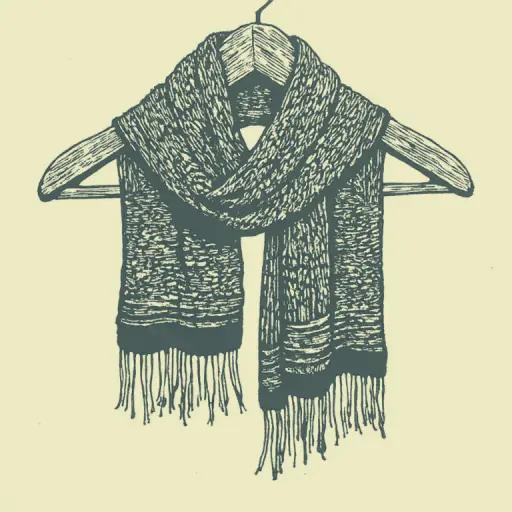
How to tie an arafatka beautifully around the neck and head for a girl?
- 15 min read
- 21
The Arabic headscarf, known as an arafatka, kufiya, or shemagh, has long ceased to be exclusively an element of traditional men's clothing in the Middle East or a piece of tactical gear. Today, this authentic accessory with its recognizable contrasting pattern has firmly established itself in women's wardrobes. It harmoniously complements looks in casual, military, boho, and safari styles, adding a touch of boldness, freedom, and Eastern charm.
For the modern woman, the arafatka is not just a practical shield against scorching sun, wind, or dust while traveling, but also a powerful stylistic tool. However, for the scarf to look elegant rather than sloppy, it is important to learn how to drape it correctly.
In this practical guide, we will step-by-step break down the most popular and striking ways to tie a shemagh around the neck and head—from the classic "triangle" to the exquisite Berber turban. You will learn how to harmoniously incorporate this accessory into everyday outfits and what mistakes to avoid to keep your look flawless.
What is an Arafatka and How to Choose a Scarf for a Women's Look
Before mastering various tying techniques, it is important to understand the nature of this unique accessory. The arafatka, also known as a kufiya or shemagh, has long moved beyond traditional Middle Eastern men's wear. Today, this authentic scarf with its characteristic pattern has become a powerful tool for self-expression for modern women who value practicality and style. It easily adapts to any weather whim, protecting against scorching sun, wind, or cold.
For the arafatka to fit harmoniously into your look and drape beautifully, you must choose its characteristics correctly. The selection of the perfect scarf is based on understanding its rich history, as well as assessing quite practical parameters: fabric composition, color palette, and cloth size. Let's find out how to find that perfect shemagh that will become the highlight of your wardrobe.
The History of the Kufiya: From Desert Sun Protection to Fashion Accessory
Let's start with the origins, because to harmoniously incorporate this accessory into a modern wardrobe, it is important to understand its origin.
The kufiya (or shemagh) was originally created as an exclusively practical element of men's clothing in the Middle East. In the harsh conditions of the desert, this dense cotton scarf served as reliable protection against scorching sun, sandstorms, and night cold. The traditional ornament and special weaving method helped air circulate, maintaining coolness.
The scarf received its familiar name—"arafatka"—in the late 20th century thanks to Palestinian leader Yasser Arafat, who made it an integral part of his image. It was then that the Western world paid close attention to this colorful headwear.
In European fashion, the kufiya entered on a wave of interest in ethnics, military style, and grunge. Today, for women, the arafatka is not just protection from the wind while traveling, but a bold and stylish accessory capable of instantly transforming a basic outfit, adding a touch of freedom and light rebellion.
Materials, Colors, and Optimal Sizes for a Women's Shemagh
Choosing the right shemagh determines how beautifully it will drape and how comfortable it will be to wear.
Materials:
- Cotton: The classic option. It breathes well, holds its shape, and is ideal for summer and transitional seasons.
- Wool with Acrylic: A warm and soft choice for cold autumn and winter.
- Viscose and Silk: Flowing fabrics that create elegant, soft folds and are suitable for sophisticated looks.
Color Palette:
Besides the traditional black-and-white and red-and-white palette, pastel shades (dusty rose, sand, delicate mint), as well as deep military and casual tones: khaki, burgundy, emerald, and indigo, are incredibly popular in women's wardrobes. They adapt more easily to modern fashion.
Optimal Sizes:
- 110 × 110 cm — the gold standard. This size is versatile and allows the arafatka to be tied in any way, on the head or around the neck.
- 100 × 100 cm — a more compact option, convenient for minimalist neck knots.
- 120 × 120 cm — the ideal choice for creating voluminous turbans and complex multi-layered drapes.
How to Tie an Arafatka Beautifully Around the Neck: Step-by-Step Instructions
Having decided on the perfect material and color of the kufiya, it is time to move on to the most creative stage—the art of its draping. The neck is a classic area for experimenting with the Arabic scarf. A properly tied shemagh can instantly transform even the simplest basic outfit, adding dynamism, a touch of casualness, or, conversely, refined elegance.
There are many techniques that allow this traditional accessory to be adapted to modern women's wardrobes. We will break down the most popular and striking tying patterns that are easy to replicate in a couple of minutes in front of the mirror. Each of these methods will help you set the right accents in your look and protect you from weather whims.
Classic Triangle on the Chest and the "Rope" Variation
The classic method is the base from which one begins to learn about the shemagh. It looks relaxed and offers excellent protection from the cold.
Classic Triangle on the Chest:
- Fold the square scarf diagonally in half to form a triangle.
- Place it on your chest with the wide part facing forward, directing the central point downwards.
- Bring the side ends around the neck, cross them behind, and bring them forward.
- Let the ends hang freely on the sides or tie them with a light knot over the central point.
"Rope" Variation:
This method adds dynamism to the look and works perfectly with biker jackets or coats.
- Fold the kufiya into a triangle.
- Twist the scarf into a loose rope from the base towards the point, leaving a small triangular edge free.
- Wrap the resulting rope around the neck twice.
- Tie the ends with a neat knot and tuck them under the fabric folds.
Elegant Draping and Extravagant Tying Method
From simple everyday knots, let's move on to techniques that will turn the kufiya into an exquisite accent of your outfit.
Elegant Draping (Scarf Style)
- Fold the Arabic scarf diagonally to form a neat triangle.
- Drape it over the shoulders with the wide side facing back, like a classic shawl.
- Arrange the free ends beautifully across the chest and tie them with a light double knot at the collarbone level.
This method pairs perfectly with coats, structured blazers, and lends a soft femininity to the look.
Extravagant Method (Loose Volume)
- Fold the shemagh into a triangle and place its base on the chest (the wide angle facing down).
- Bring the long ends behind the back, cross them there, and bring them forward again.
- Tie the ends in front over the voluminous triangle with a neat knot or let them hang freely on the sides.
This option creates an effective textural casualness and perfectly complements leather biker jackets or oversized denim jackets.
How to Tie an Arafatka on the Head: Original Women's Styles
Transferring the arafatka from the neck to the head is a step from a simple accessory to creating a truly striking and functional look. In women's wardrobes, the kufiya on the head has long ceased to be an exclusively utilitarian element for sun or wind protection. Today, it is a bold stylistic choice that organically complements boho, safari, or military outfits, adding mystery and an exotic flair.
There are several authentic ways to transform this Arabic scarf into an original headwear piece. Each method allows you to reinterpret the fabric's texture and the geometry of the traditional pattern in a new way, highlighting facial features and emphasizing your individuality.
Berber Style (Striking Turban) and Classic Mask
Two iconic methods for tying a shemagh on the head are ideal for creating a striking ethnic look or providing reliable protection while traveling.
Berber Style (Striking Turban):
- Fold the Arabic scarf diagonally into a triangle shape and drape it over your head. The wide edge should rest on your forehead, and the central point should hang freely down your back.
- Take the right free end, gently twist it into a soft rope, and bring it back to the left. Wrap it around your head along the forehead line and neatly tuck the tip under the fabric near your right ear.
- Repeat the procedure with the left end: twist it, run it in the opposite direction (to the right) over the first wrap, and tuck the remaining tip behind your left ear. Smooth out the resulting turban to give it volume.
Classic Mask (Protective Option):
- Drape the triangle-folded kufiya over your head so that the left end is slightly longer than the right.
- Twist the left end into a light rope, pass it under your chin, and bring it back toward your neck.
- With the wider right end of the scarf, gently cover the lower part of your face (nose and mouth), extending it toward your left ear.
- Tie both ends securely at the nape of your neck. If necessary, the fabric mask can be easily lowered to your chin, leaving your face exposed.
How to Wear the Kufiya on the Head Using a Ring (Rondelle)
The traditional Arabic method of wearing a kufiya with a double rigid hoop—the ikal (or rondelle)—is easily adapted into women's wardrobes today, especially for creating striking safari or authentic ethnic looks. This method does not require tying knots and stays firmly in place on the head.
Step-by-Step Instructions:
- Fold the Scarf: Form a classic triangle from the arafatka.
- Drape on Head: Put on the kufiya so that the fold is slightly above the eyebrow line (it can be slightly pushed up onto the forehead for better fixation), and the ends hang freely over the shoulders.
- Secure with Ring: Place the decorative ring (rondelle) over the scarf on the crown of the head. It should press the fabric firmly against the head.
- Style the Ends:
- Classic Style: Bring the hanging ends back, cross them, and throw one of them forward over the opposite shoulder.
- Feminine Style: Let one edge hang freely on the chest, and casually toss the other over the back.
This method pairs perfectly with large sunglasses and sleek linen or cotton shirts.
What to Wear with an Arafatka for Girls: Ready-Made Formulas for Stylish Looks
Having mastered various techniques for tying the kufiya on the neck and head, it is important to harmoniously integrate this colorful accessory into your everyday wardrobe. The arafatka has long gone beyond purely Eastern or hiking aesthetics. Today, this authentic scarf can instantly transform even the simplest basic outfit, adding dynamism, texture, and a touch of rebellious chic.
To prevent the shemagh from looking like a foreign patch, it is important to pair it correctly with familiar items. Let's review ready-made stylistic formulas that will help you create striking modern looks, as well as look at non-standard ways to integrate this versatile accessory into your personal style.
Pairing the Scarf with Military, Safari, Casual, and Boho Styles
The arafatka is a surprisingly versatile accessory that easily adapts to different fashion trends. To ensure your outfit looks harmonious and thoughtful, use proven combination formulas:
- Military: A traditional olive, gray, or black-and-white shemagh perfectly complements parka jackets, leather biker jackets, cargo pants, and rugged lace-up boots. Tie the scarf as a loose triangle on the chest to add a daring practicality to the look.
- Safari: Choose a kufiya in sandy, beige, or terracotta tones. It looks great with cotton jumpsuits, linen shirts, high-waisted shorts, and leather belts.
- Casual: For everyday city style, pair a classic arafatka with oversized denim jackets, basic solid T-shirts, sweatshirts, and white sneakers. The 'rope' tying method or a casual drape around the neck is appropriate here.
- Boho-Chic: Experiment with colorful scarves. Pair them with flowing maxi dresses, fringed suede vests, and boots, tying the arafatka on the head in the form of a striking turban.
Using the Kufiya as Alternative Accessories (Belt, Snood)
Moving beyond conventional pairings, stylists suggest using the kufiya in the most unexpected roles. Thanks to its pliable texture and optimal size, this scarf easily transforms into original alternative accessories.
1. Arafatka as a Stylish Belt
To turn the shemagh into a belt, fold it diagonally and roll it into a neat flat band or a soft rope.
- With Jeans and Shorts: Thread the resulting belt through the belt loops of jeans or shorts instead of a standard leather belt. Tie it with a casual knot on the side, letting the fringed ends hang freely along the hip.
- With a Dress or Tunic: Tie the twisted scarf around the waist over a loose, solid boho dress or a long linen shirt. This instantly cinches the silhouette and adds an ethnic charm to the look.
2. Simulating a Warm Snood
If you dislike the hanging ends of a classic knot, turn the arafatka into a practical snood:
- Fold the scarf into a triangle, and then tie its opposite sharp ends together with a neat double knot.
- Put the resulting ring around your neck, twist it into a 'figure eight,' and drape a second wrap over it.
- Smooth out the folds so that the knot remains inconspicuous under the drape. This improvised snood offers excellent wind protection and looks stylish with a leather biker jacket or an oversized coat.
Practical Tips and Common Mistakes When Wearing a Kufiya
Even the most stylish look with an arafatka can lose its charm due to minor styling blunders or careless fabric care. The kufiya is a distinctive accessory with a pronounced texture and contrasting pattern that requires special attention. An improperly chosen knot can visually shorten the neck or ruin the hairstyle, while incorrect washing can quickly turn a vibrant shemagh into a faded rag.
To ensure your Arab scarf always looks impeccable, highlights your features, and lasts for years, it is important to know several simple yet critical rules. Next, we will examine common styling mistakes to avoid when creating feminine looks, and we will share secrets for the careful care of the delicate cotton fabric.
Main Mistakes That Simplify the Look or Ruin the Hairstyle
Wearing an arafatka stylishly is an art of balance. A poorly tied scarf can instantly turn a trendy outfit into a sloppy look or visually disrupt the figure's proportions. Here are the main mistakes to avoid:
- Tying it too tightly on the head. If you pull the shemagh too tightly, it will completely remove volume from the hairstyle and create an undesirable "swimming cap" effect. Leave some freedom at the roots of your hair or let a few loose strands frame your face for a soft, natural look.
- Excessive volume around the neck. Massive, dense wraps are unsuitable for petite women or those with short necks. They visually "swallow" the neck. In this case, it is better to choose a kufiya made of a thin material and arrange it in light, cascading folds.
- Ignoring hair texture. Smooth, clean hair will constantly slip out from under the turban. Before tying the scarf, lightly texturize the strands with dry shampoo or salt spray and secure the base with bobby pins.
- Stylistic dissonance. Combining a classic tracksuit made of cheap knitwear with an authentic shemagh greatly simplifies the look. The arafatka requires a thoughtful aesthetic in casual, military, safari, or boho styles.
Rules for Caring for the Arab Scarf to Maintain Pattern Vibrancy
To ensure your favorite shemagh retains its vibrant colors and impeccable texture for years, it needs proper care. The traditional Arab scarf is most often made of natural cotton or wool, and its hallmark—the fine fringe and contrasting woven pattern—requires delicate handling.
Here are the main care rules for the kufiya:
- Hand washing. Machine spin can deform the delicate weave and tangle the fringe. Wash the scarf by hand in cool water (not above 30 °C) using liquid detergent for delicate fabrics.
- Avoiding harsh chemicals. Never use bleach; otherwise, the contrasting pattern will instantly lose its sharpness.
- Natural drying. Do not wring the accessory. Gently squeeze out excess water through a terry cloth towel and lay it flat in the shade. Avoid direct sunlight and proximity to heating appliances.
- Delicate ironing. Iron the arafatka slightly damp on the reverse side through protective muslin, using a moderate temperature setting.
Adhering to these simple recommendations will protect the feminine accessory from fading and deformation, allowing it to remain a bright accent in your wardrobe.
Conclusion
Proper care will keep your kufiya in perfect condition, allowing it to remain a bright wardrobe accent for many seasons. The arafatka is not just a practical shemagh protecting against bad weather, but a truly versatile feminine accessory capable of instantly transforming even the simplest basic outfit.
Don't be afraid to experiment with styles:
- For a bold look: pair the scarf in a military or safari style with a leather jacket and rugged boots.
- For a relaxed mood: try on a striking Berber turban or a casual drape in a boho-chic aesthetic.
- For everyday comfort: use the classic triangle across the chest paired with your favorite coat or denim jacket.
By mastering a few simple tying techniques, you can create new interesting combinations every day, highlighting your individuality and refined sense of style.