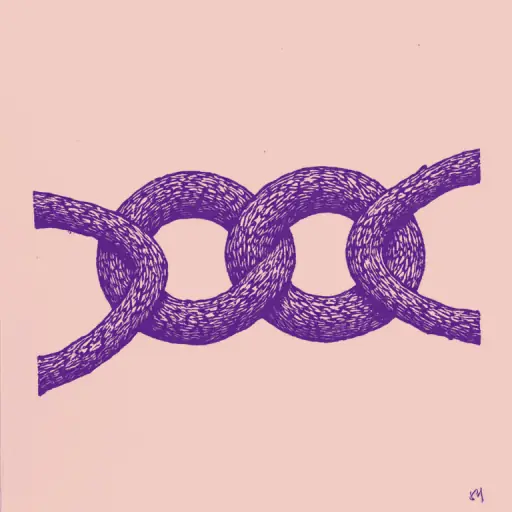
How to Tie a Double Fishing Knot for Beginner Anglers
- 14 min read
- 59
Every angler, from novice to professional, will sooner or later face the need to securely tie two lines or attach a leader. In real fishing conditions, when a large trophy is hooked, the strength of the line at the knot becomes the deciding factor. Ordinary knots often fail, slip, or burn the material when tightened. This is where the legendary double fishing knot, also known in mountaineering and tourism as the Grapevine knot, comes to the rescue.
This knot is rightfully considered one of the strongest and most compact ways to join monofilament, fluorocarbon, and even tricky braided line. In this practical guide, we will thoroughly examine how to tie the double fishing knot correctly the first time, study step-by-step diagrams, and compare it with popular alternatives such as Albright and Mahin Knot. Furthermore, you will learn how to adapt this technique for attaching hooks using a double clinch. Ready to forget about frustrating gear breaks forever? Then let's begin!
What is the Double Fishing Knot (Grapevine) and Where is It Used
The double fishing knot, better known in professional circles as the "grapevine," is one of the most reliable and aesthetically pleasing connections in fishing practice. Originally coming from mountaineering, where human life safety directly depends on the strength of ropes, this knot quickly gained recognition among anglers due to its phenomenal breaking strength and compactness.
Its unique geometry allows for the joining of virtually any type of line, creating a neat and streamlined connection that easily passes through the guides of a rod. Let's explore why this knot is considered the standard of reliability and in which specific situations on the water it will become your main asset.
Purpose of the Grapevine Knot and Its Advantages in Fishing Practice
The double fishing knot (grapevine) is one of the most reliable ways to securely join two lines. In fishing practice, its main purpose is to connect the working ends of monofilament, fluorocarbon, or braided line. It is often used for mounting shock leaders, increasing the working length of the tackle, or tying broken line directly on the water.
Key advantages of the Grapevine knot:
- Maximum Strength: The knot retains up to 85–90% of the line's breaking strength, surpassing many classic connections.
- Self-tightening Structure: Under load, the two loops of the knot pull toward each other, preventing slippage even on slippery materials (such as fluorocarbon).
- Streamlined Shape: A properly tied and trimmed knot is compact and symmetrical, which reduces friction against the rod guides during casting.
- Versatility: It is equally effective in carp fishing and feeder fishing as it is in spinning for connecting a leader to the main line.
Thanks to these properties, the grapevine has earned the trust not only of anglers but also of mountaineers, where knot safety is critical.
Strength of the Double Fishing Knot and Comparison with Albright and Mahin Knots
The double fishing knot (grapevine) is rightfully considered one of the strongest connections in fishing practice. Its breaking strength reaches 85–90% of the original line strength. This is because the knot consists of two symmetrical half-knots that distribute the load evenly when tightened, minimizing critical friction and material deformation.
Let's compare the grapevine with other popular knots for joining lines:
- Albright: This knot is indispensable for joining materials of significantly different diameters (e.g., a thick shock leader and a thin braided line). However, the Albright is inferior to the grapevine in symmetry and can slip on ultra-smooth lines, whereas the double fishing knot firmly locks monofilament and fluorocarbon of similar thickness.
- Mahin Knot: A popular choice for joining fluorocarbon and braid due to its conical shape, which facilitates passage through narrow spinning guides. Nevertheless, the "Mahin Knot" is much more difficult to tie and demands high quality in tightening. The grapevine forgives minor mistakes from beginners and provides more stable line strength at the knot.
| Comparison Criterion | Double Fishing (Grapevine) | Albright | Mahin Knot |
|---|---|---|---|
| Breaking Strength | High (85–90%) | Medium (75–80%) | High (80–85%) |
| Guide Passage | Medium | Good | Excellent |
| Tying Difficulty | Low | Medium | High |
Step-by-Step Guide: How to Tie the Double Fishing Knot (Grapevine)
The transition from the theoretical advantages of the grapevine to practice is the most important step for every angler. By mastering the basic technique, you can confidently join lines in any condition, whether it's home tackle preparation or a quick repair on the water during an active bite. The double fishing knot requires care, but its algorithm is quickly memorized due to its symmetrical structure.
In this section, we will break down the classic knot-tying diagram that will help you securely join two lines. We will also cover important nuances when working with materials of different stiffness and diameter, including tricky fluorocarbon and slippery braid, so that your rigs always remain flawless.
Detailed Step-by-Step Diagram for Joining Two Lines
To tie two lines with the double fishing knot (grapevine), follow this simple step-by-step instruction:
- Line Placement. Lay the two line ends parallel to each other, facing the working ends.
- First Knot. Take the working end of the first line and wrap it twice around both lines, moving in the reverse direction. You will form two parallel loops.
- Securing the First Loop. Pass this same working end through both formed loops from the inside out. Gently pull to form a neat half-knot around the second line.
- Second Knot. Repeat the procedure with the second line. Take its working end and make two wraps around both lines, directing the wraps backward. Thread the tip through the resulting loops.
- Approaching and Tightening. Be sure to wet the line with water or saliva. Gently pull the main ends of the lines in opposite directions. The two formed knots will begin to move toward each other until they are tightly cinched.
- Final Touch. Trim the protruding ends, leaving approximately 1.5–2 mm to prevent slippage under load.
This method guarantees a symmetrical and incredibly strong connection that easily passes through rod guides.
Features of Joining Lines of Different Diameters, Fluorocarbon, and Braid
The Grapevine knot is excellent for joining dissimilar materials, but it requires adaptation to their physical properties. When working with braided line, monofilament, and fluorocarbon, consider the following nuances:
- Diameter Difference. The Grapevine knot securely ties lines if the difference in their thickness does not exceed 30–40%. If one end is significantly thinner (e.g., thin braid and thick fluorocarbon shock leader), you must make 1–2 more wraps on the thinner line to compensate for the volume difference and prevent slippage.
- Slippery Braid. Multi-strand lines have high slipperiness. When forming the half-knot on braid, make 4–5 wraps around the monofilament instead of 3. This ensures the knot will not creep under extreme load.
- Stiff Fluorocarbon. This material has a distinct "memory" and deforms easily when heated by friction. When tightening the fluorocarbon loop, be sure to thoroughly wet the knot with water or saliva. Tighten it smoothly, without sudden jerks, to avoid micro-damage to the material's structure.
Adhering to these simple rules will allow you to achieve a neat and strong connection that will easily pass through the guides of a spinning or feeder rod.
Fishing Alternative: How to Tie a Double Clinch for Hooks
After successfully mastering line connections with the Grapevine, it is important to move on to another crucial task—securely attaching hardware and hooks. While the double fishing knot is ideal for joining two strands, a different loop geometry is required for securing swivels, lures, and hooks. An excellent and extremely strong alternative here is the Double Clinch (also known as the Trilene knot). This knot provides a double wrap around the metal eyelet, which significantly reduces point pressure on the line and prevents tackle from slipping under extreme load. Below, we will detail the technique for creating it and explain why this knot is so popular among spin and feeder anglers.
Instructions for Tying a Double Clinch for Braid and Monofilament
The Double Clinch (also known as the Trilene knot) is an advanced version of the classic clinch knot. Because the line is passed through the hook eyelet twice, the load is distributed more evenly, which virtually eliminates material abrasion at the attachment point.
Step-by-step instructions for tying the Double Clinch:
- Forming the Double Loop. Pass the working end of the line or braid through the hook eyelet (or lure) twice in the same direction. You should have a small double loop around the eyelet.
- Creating Wraps. Make wraps with the free end of the line around the main (core) line, moving up from the hook.
- For monofilament and fluorocarbon, 5–6 wraps are sufficient.
- For slippery braid, it is recommended to make 7–8 wraps to prevent the knot from slipping under load.
- Securing the Tip. Pass the working end of the line back down and thread it through the double loop you formed in the first step right at the hook eyelet.
- Wetting and Tightening. Be sure to wet the knot with water or saliva. This is critically important for monofilament and fluorocarbon to prevent material deformation and burning from friction. Gently pull on the working and core ends, carefully drawing the wraps toward the eyelet.
- Final Touch. Trim the excess line, leaving a safe tail of about 1.5–2 mm.
This knot retains 90–95% of the original tackle strength and holds up excellently on both thin monofilament and soft braided lines.
When the Double Clinch Surpasses the Classic Clinch and Palomar
The choice between the Double Clinch, its classic version, and the popular Palomar depends on the type of tackle. The Double Clinch (also known as the Trilene knot) surpasses its alternatives in several key scenarios:
- Superiority over the Classic Clinch on Slippery Lines. The classic clinch often slips on quality fluorocarbon and nylon due to the single pass through the eyelet. The Double Clinch creates a reliable "lock" through the double loop, distributing the pressure. This raises the knot strength from 75% to an impressive 90–95% of the line's strength.
- Superiority over Palomar when Attaching Large Lures. To tie a Palomar, you must thread the entire lure through the loop. If you are attaching a wobbler with three treble hooks, a large spinnerbait, or a feeder bait, this process becomes a struggle. The Double Clinch is tied only with the free end of the line, eliminating the risk of snagging during assembly.
- Saving Expensive Leader Material. The Palomar requires a large amount of line to form the loop. The Double Clinch uses material extremely economically, which is critical when working with expensive fluorocarbon.
| Characteristic | Double Clinch | Classic Clinch | Palomar |
|---|---|---|---|
| Knot Strength | High (up to 95%) | Medium (up to 80%) | Very High (up to 98%) |
| Ease with Large Lures | Excellent | Good | Low |
| Slippage Tendency | Minimal | High | Minimal |
Secrets to Reliability and Common Beginner Mistakes
You have mastered the technique of tying the double fishing knot and studied alternatives like the Double Clinch. However, even knowing the diagram, a beginner often makes mistakes that can critically reduce the connection's strength. Fishing knots are not just a set of loops; they are an engineered connection that must withstand sudden jerks and constant tension. Therefore, it is important to understand not only how to tie it, but also why and when the connection might fail.
In this section, we will examine the most common mistakes made by novice anglers and learn professional techniques that guarantee maximum tackle reliability. We will discuss proper tightening, the importance of line preparation, and how to prevent the knot from breaking at the most critical moment.
Proper Tightening and the Importance of Wetting the Line Before Securing
Even a perfectly tied double fishing knot (Grapevine) can fail at the most critical moment if an error is made during the final stage—tightening. The main secret to the longevity of any fishing connection lies in the mandatory wetting of the line before securing it.
Why wet the line?
When tightening a dry knot, significant friction occurs between the line wraps. This leads to localized heating of the material (the so-called "burning" effect). Under the influence of high temperature, the structure of the monofilament or fluorocarbon deforms, the line thins, and it loses up to 30–50% of its original strength. Wetting with plain water or saliva acts as a lubricant that:
- Reduces friction and prevents thermal damage.
- Allows the wraps to lie evenly, tightly, and sequentially against each other.
- Ensures the knot retains the maximum strength declared by the manufacturer.
Correct Tightening Technique:
- Form the knot, but do not tighten it completely.
- Thoroughly wet the connection point with water or saliva.
- Tighten the knot smoothly and slowly, without sudden jerks. Pull simultaneously on both the standing and working ends of the line. A sudden movement can damage the line's structure even when wet.
- Check the density. Ensure that the wraps lie evenly, without overlaps or gaps. Only then can you carefully trim the excess ends, leaving small tails (about 1.5–2 mm) in case of micro-slippage under extreme load.
Why Line Breaks at the Knot and How to Avoid Critical Strength Loss
Even a correctly tied and wet double fishing knot can fail if the physical properties of the materials are not considered. The main reason line breaks at a knot is critical deformation and overheating of the fibers at points of maximum bending.
Here are the key factors causing strength loss and how to eliminate them:
- "Shearing" Effect with Different Diameters. When you tie thin braid to thick fluorocarbon, the thinner, stiffer line can literally cut through the softer monofilament under load. To avoid this, make more wraps of the thin line around the thick line to distribute the pressure.
- Micro-cracks from Sudden Tightening. Fast, jerky tightening creates localized overheating. Nylon and fluorocarbon melt at relatively low temperatures, losing up to 50% of their strength. Tighten the knot only smoothly.
- Material Fatigue. After several strikes or fighting a large fish, the line in the knot stretches and deforms. Make it a rule to re-tie the Grapevine and other rigs after catching a trophy or every few hours of active fishing.
- Too Short Ends. If you trim the free ends of the line right up to the knot, they can slip inside the wraps under strong tension, leading to spontaneous untying. Always leave "tails" of 1.5–2 mm.
Regularly checking the knot by touch (run your fingers over the knot—it should be smooth, without burrs or spirals on the adjacent line) will save you from losing expensive bait and missing a trophy.
Conclusion
Mastering the double fishing knot (Grapevine) and its fishing modifications, such as the Double Clinch, is a crucial step from a novice amateur to a confident angler. These knots are rightly considered the gold standard of reliability, ensuring maximum gear strength in the most extreme fighting conditions. Now that you have thoroughly studied the tying diagrams and learned the secrets to preventing breaks, you are fully prepared for independent practice.
To ensure that new knowledge brings maximum benefit on the water, adhere to several simple, yet golden rules:
- Home Practice. Do not try to master the knot directly on the water in windy or twilight conditions. Practice at home on contrasting lines or old line until your fingers remember every movement.
- Thorough Wetting. Never neglect this step. Wetting the line before tightening is the only reliable way to prevent micro-damage from friction.
- Uncompromising Control. If the finished knot raises the slightest doubt—if the wraps are crooked or overlapped—ruthlessly cut it and re-tie it.
- Material Compatibility. Use the Grapevine for securely joining lines of different diameters, and the Double Clinch for attaching hooks and lures to braid or monofilament.
Reliable knots are the guarantee of your peace of mind while fishing. With such proven tools in your arsenal, you can confidently head out for any trophy. We wish you successful fishing trips, reliable gear, and unforgettable bites!