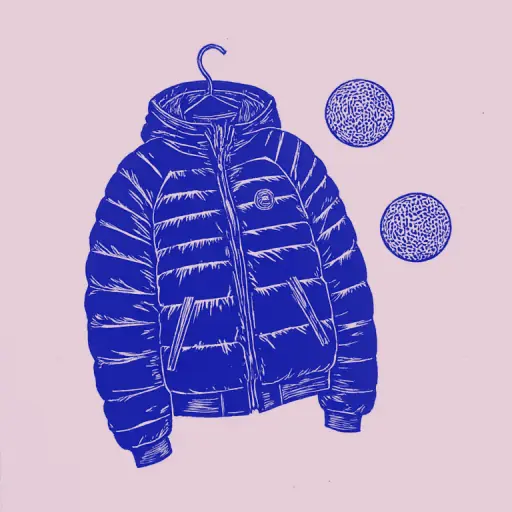
How to Wash a Down Jacket with Tennis Balls: Step-by-Step Care Guide
- 15 min read
- 21
A high-quality down jacket is an indispensable item in a winter wardrobe, but cleaning it often turns into a real quest. Many people are afraid to wash a down jacket at home, fearing that the filling will clump into dense tufts of down, and the garment itself will lose its shape and insulating properties. Dry cleaning services are not cheap, but you can restore the jacket's original cleanliness and freshness yourself.
The secret to success lies in a simple yet effective life hack—using regular tennis balls. When they enter the washing machine drum, they actively work as "beaters": during the rotation process, the balls continuously strike the fabric, helping to effectively remove dirt and preventing the filling from settling.
In this practical guide, we will thoroughly examine how to properly wash a down jacket, set the delicate cycle and 30-degree temperature, and how to properly dry the item so that it becomes voluminous and warm again.
Preparation for Washing: Selecting and Checking Tennis Balls
A successful home wash of a down jacket begins long before you press the "Start" button on the washing machine control panel. Proper preliminary preparation is the foundation that guarantees the safety of your clothing and the longevity of its natural or synthetic filling. At this stage, it is critically important to pay attention to two key factors: the correct selection of tennis balls and the careful preparation of the down jacket itself.
Even the highest quality item can be ruined if you use random accessories or ignore small details on the fabric. Before starting the process, you must ensure that the equipment will not leave colored stains, and that the jacket itself is fully ready for intense mechanical action in the drum.
How Many Tennis Balls Are Needed and How to Check Them for Dye Bleeding
For a high-quality home cleaning of a down jacket, you will need 3–4 tennis balls for large tennis with felt covering. This is the optimal number: fewer balls will not be able to effectively beat the down during the washing machine drum rotation, and more will create excessive noise and mechanical load on the appliance.
Since classic tennis balls are bright lime green or orange, you must check them for colorfastness. If you skip this step, they can bleed color irrecoverably and leave persistent stains on the fabric, especially if you are washing a light-colored jacket.
How to check the balls for dye bleeding before washing:
- Rubbing Test: Thoroughly wet a white cotton pad or a light cotton napkin with warm, soapy water and rub the fuzzy surface of the ball with force. If the pad remains clean, the dye is stable.
- Soaking: Place the balls in a container with hot water (about 40–50 °C) and add a little liquid detergent. Leave them for 15–20 minutes. Afterward, take out the balls and squeeze them firmly through a white paper towel. There should be no colored stains left on the paper.
If the test is passed successfully, the balls are completely safe for your clothing.
Preparing the Down Jacket: Cleaning Pockets, Fastening Zippers, and Spot Treatment
Proper preparation of the down jacket is the key to ensuring that the fabric is not damaged and the filling is washed evenly. Before putting the jacket into the washing machine drum, perform four simple steps:
- Empty the pockets. Forgotten coins, keys, or paper napkins can tear the lining or leave hard-to-remove stains.
- Remove fur and hood. Natural or artificial fur cannot be washed in a machine—it will lose its appearance irrevocably. It is best to remove the hood to reduce the overall load.
- Fasten all hardware. Close all zippers, buttons, snaps, and Velcro. This protects the metal and plastic teeth from deformation and the fabric from snagging. After this, be sure to turn the down jacket inside out.
- Treat difficult areas. The collar, cuffs, and pocket edges get the most dirt. Apply liquid detergent or liquid household soap to these areas, gently rub with a soft sponge, and leave for 15–20 minutes. Using aggressive stain removers and bleach is strictly forbidden.
Choosing Detergents and Setting Up the Washing Machine
Once the down jacket is fully prepared for washing, the most critical stage begins—the one that determines not only the jacket's cleanliness but also its ability to keep you warm on cold days. Improperly chosen household chemicals or too aggressive a washing cycle can irrevocably damage the natural filling and destroy the protective coating of the outer fabric.
To avoid white residue, clumping of down, and loss of volume, it is important to strictly observe the balance between effective cleaning and gentle treatment of the materials. Let's look at which detergents will help preserve the item's original appearance and which washing machine settings will ensure delicate yet effective care.
Why You Cannot Use Regular Powder Detergent and Which Liquid Detergent to Choose
Using regular dry powder detergent for washing a down jacket is the main mistake that can ruin the item beyond repair. Particles of dry powder are practically impossible to completely wash out of the dense filling. As a result, unsightly white residue will definitely appear on the fabric, and the down itself will clump into dense masses, losing its insulating properties. Furthermore, the aggressive components of regular powder wash away the natural oily layer from the down and feathers, making them brittle.
For gentle care, a special liquid detergent for down jackets or a delicate gel for wool and silk is ideal. Such detergents:
- Dissolve quickly even in cool water;
- Rinse out easily without leaving residue;
- Preserve the structure of the down and the protective coating of membrane fabrics.
If your jacket has a membrane layer, be sure to choose specialized gels marked "Sport" or "Active" that do not clog the material's pores.
Optimal Washing Cycle, 30 Degrees Temperature, and Features of Membrane Fabrics
The correct setting of the washing machine is the key to ensuring that the down jacket retains its shape and insulating properties after contact with water.
- Temperature Setting: Always set the temperature strictly to 30 degrees. Hotter water destroys the structure of natural down, washes away the natural protective fatty layer from the feathers, and can deform the outer synthetic fabric of the jacket.
- Program Selection: Specialized modes are ideal: "Down Comforter," "Down," "Wool," or the standard delicate cycle. These ensure gentle drum agitation and use an increased volume of water, which is critical for safely washing a down jacket with balls.
- Membrane Fabric Features: If your down jacket is equipped with a technological membrane, regular cycles and detergents can irreversibly damage its properties. Membrane fabric requires delicate handling: forget about fabric softeners and rinse aids, which clog the material's micropores. Only wash such jackets on the lowest spin speed to avoid damaging the protective inner layer.
Step-by-Step Washing Process and Proper Spin Cycle
Once the ideal liquid detergent is chosen and the washing machine panel is set to a gentle 30 degrees, the most critical practical stage begins. The correct interaction between the down jacket and the tennis balls inside the drum determines whether the garment retains its original loft or turns into a thin windbreaker after the first wash.
In this section, we will break down the step-by-step algorithm: from correctly loading the items into the washing machine to the subtleties of setting the final spin cycle. These simple but critical steps will help initiate the mechanical fluffing of the filling from the first minutes of washing and completely prevent soap residue from appearing on the fabric.
Loading the Down Jacket and Balls into the Washing Machine Drum
Proper loading is key to ensuring the down jacket maintains its shape and the filling does not clump into dense balls. The main rule: only one down jacket should be in the washing machine drum. Do not try to wash two jackets at once or add other heavy items—the machine simply won't have enough volume for proper rinsing and effective fluffing.
Place the prepared down jacket in the drum in the most spread-out manner possible, avoiding twisting it into a tight knot. Next, add the tennis balls. The optimal quantity for one wash is 3–4 balls. Distribute them evenly: place a couple of balls in the folds of the jacket itself, and toss the rest on top.
This loose placement allows the balls to move freely during the drum's rotation. They will constantly bounce, gently tap the fabric, and evenly fluff the down from the very first minutes of washing.
Setting the Spin Cycle and the Importance of Extra Rinsing Against Residue
Setting the final washing stages correctly ensures that no soap residue remains on your jacket and that the filling retains its airy structure.
Spin Cycle Setting: Balancing Safety and Efficiency
Many people make the mistake of completely disabling the spin cycle for fear of damaging the item, or conversely, setting the maximum parameters. The optimal choice for a down jacket is 600–800 revolutions per minute (RPM).
- At too low a speed, the jacket will remain wet, the down will dry too slowly, and may become stale.
- Speeds above 800 RPM can damage the structure of the membrane fabric, deform seams, and compress the filling too much.
Importance of Extra Rinsing
Down and feathers instantly absorb detergent, but they are extremely reluctant to release it. A standard rinse cycle is never enough: residual gel particles inside will transfer to the fabric as unsightly yellow or whitish stains upon drying. To avoid this, be sure to set a minimum of 2–3 extra rinse cycles. The tennis balls are invaluable at this stage: they methodically beat out residual soap foam from the deepest layers of the insulation.
Rules for Safely Drying the Down Jacket After Washing
Washing the down jacket correctly is only half the battle. The real test for the filling begins during the drying phase. This is when it is decided whether the jacket will regain its original loft or turn into a thin windbreaker with clumps of down inside. Incorrect temperature settings or moisture stagnation can not only spoil the appearance of the garment but also lead to an unpleasant musty odor that is extremely difficult to remove.
To maintain the insulating properties of the down and prevent stains on the fabric, it is important to strictly follow the drying procedure. There are two proven and safe ways to restore the down jacket's former fluffiness: gentle air drying and quick drying in a tumble dryer. Let's examine the features of each method in detail.
Air Drying on Hangers: Why You Cannot Hang It on a Radiator
Air drying on hangers is the safest way to restore the jacket's original loft and maintain its insulating properties.
After washing is complete, carefully reshape the garment and hang it on wide plastic or wooden hangers. Thin metal hangers must not be used: under the weight of the wet filling, they can deform the shoulder seams and stretch the fabric.
Why is it strictly forbidden to dry the down jacket on a radiator?
- Down Damage: Under the influence of aggressive dry heat, natural down becomes brittle, loses its elasticity, and its ability to trap air.
- Stain Formation: Uneven heating causes moisture to evaporate too quickly, leaving unsightly yellow or white stains on the fabric.
- Membrane Damage: If your jacket is made of membrane fabric, high temperatures will destroy its protective layer, rendering the garment non-waterproof.
The ideal place for drying is a well-ventilated room away from direct sunlight. To prevent the filling from matting, remove the jacket every few hours, shake it vigorously, and gently massage the down clumps by hand.
Using a Tumble Dryer with Tennis Balls on Delicate Mode
If you have a tumble dryer, the process of restoring the down jacket after washing is simplified several times over. This method not only saves time but also guarantees ideal filling distribution without creating voids.
Step-by-Step Drying Algorithm:
- Loading. Place the damp down jacket in the tumble dryer drum. Also place 3–4 pre-checked tennis balls inside.
- Program Selection. Set exclusively to delicate mode (in some models, this is called "Down," "Sport," or "Synthetics") with a heating temperature no higher than 30–40 degrees. High temperatures can damage the membrane fabric or fuse the down clusters.
- Process. While the drum rotates, the balls will continuously fluff the down, breaking up even the smallest clumps and restoring the jacket's original loft.
- Monitoring. Every 30–40 minutes, stop the cycle, take out the down jacket, and gently shake it by hand to assess the drying level.
This gentle mechanical contact combined with warm air allows the item to dry completely in 1.5–2 hours, restoring its former fluffiness and insulating properties.
Jacket Revival: What to Do If the Down Has Clumped
Even when strictly following washing and drying instructions, unpleasant things sometimes happen: you take out the down jacket, and it looks thin and lifeless, with all the filling turned into dense clumps in the cell corners. Don't panic or write off your favorite winter jacket. Down clumping is a natural reaction of natural feathers to moisture and loss of volume, not a final verdict on the garment.
It is entirely possible to restore the down jacket's original fluffiness, recover its insulating properties, and evenly distribute the insulation at home. There are several proven express revival methods that won't require you to visit a dry cleaner. Let's look at the most effective ways to restore the jacket's volume.
Manual Fluffing Methods: Gentle Massage and Shaking
If you find that the filling is unevenly distributed after drying, don't panic. You can restore the jacket's original volume manually using simple but effective techniques.
- Sectional Massage (Palpation). Lay the down jacket on a flat surface. Gently feel each section of the jacket. When you find a dense clump of down, begin to gently knead it with your fingers right through the fabric, making light pinching motions. Distribute the down from the center of the clump to the edges of the cell to evenly fill the voids.
- Intensive Shaking. Periodically grab the hem of the jacket and shake it vigorously from bottom to top, and then grab the shoulders—from top to bottom. This will help straighten the fine down fibers and allow air to enter.
- Light Beating Method. Place the down jacket on a flat, soft surface (such as a bed). Take a smooth wooden rolling pin or a plastic carpet beater and gently pat all the down pockets with light, non-forceful strokes. This will quickly break up the compacted filling without damaging the fabric.
Rerunning the Spin Cycle with Balls for Quick Down Fluffing
If manual fluffing seems too laborious or doesn't yield the desired result, you can put the jacket back into the washing machine for automatic fluffing. This method is based on intensive mechanical action and works well for both wet and already dry items.
Step-by-step algorithm for reviving the down jacket in the machine:
- Drum Preparation: Place the dry or slightly damp down jacket in the washing machine drum. Ensure there are no foreign objects inside.
- Adding Balls: Place 3–4 clean tennis balls with the jacket. Their weight and density are ideal for effectively breaking up even the densest down clumps.
- Mode Setting: Select the "Spin" program. The optimal drum rotation speed is 600–800 revolutions per minute. Higher speeds can damage the delicate fabric, while lower speeds will not create enough force for the balls to impact.
- Start: Start the cycle. During rotation, the balls will intensely fluff the filling, causing it to straighten and evenly fill the down pockets.
After the machine finishes, take out the down jacket and shake it vigorously in all directions. If necessary, the quick spin procedure with balls can be repeated once more.
Conclusion
Proper care of a down jacket at home is a simple and reliable way to extend the life of your favorite winter garment and significantly save money on regular dry cleaning services. As practice shows, using regular tennis balls during washing and drying effectively solves the problem of clumping filling, preserving the original volume and insulating properties of the item for several seasons to come.
To ensure your jacket always looks new, just follow a few golden rules:
- Thorough Preparation: Always check pockets, fasten all zippers, and be sure to test the tennis balls for shedding before putting them in the washing machine drum.
- Gentle Washing: Use only liquid detergent, set the delicate cycle, a temperature of 30 degrees, and be sure to run an extra rinse to prevent residue.
- Proper Drying: Dry the down jacket on a hanger in natural conditions, avoiding proximity to radiators and heaters. For final down fluffing, use a tumble dryer or repeat the spin cycle with balls.
Following these simple recommendations guarantees that your down jacket will successfully pass through home washing, retain its softness, and reliably protect you from the harshest winter frosts.