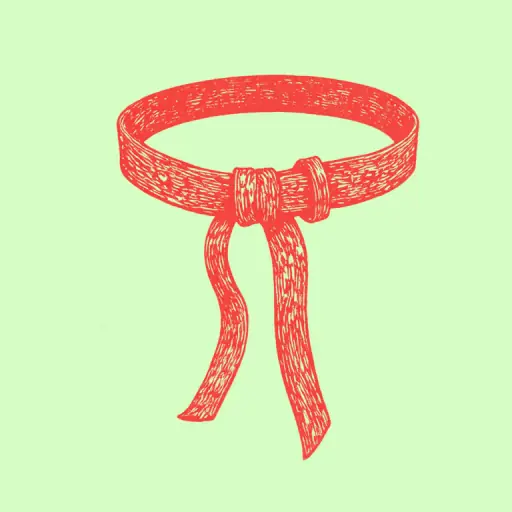
How to Wear a Long Belt Stylishly and Modernly
- 9 min read
- 61
A long belt today is not just a functional detail holding up trousers; it is a powerful stylistic tool. If in the past excessive length was considered a flaw and the accessory was rushed to be shortened, modern fashion dictates different rules. The free end of the belt, casually hanging or tied in an intricate knot, instantly transforms a basic outfit into a highly fashionable look.
In this guide, we will explore how to tie a long belt beautifully, how to properly tuck it into belt loops, how to pair it with oversized jackets or dresses, and we will share practical life hacks to tame an overly long strap without extra holes.
Basic Rules: Etiquette and Choosing the Buckle Side
Before experimenting with complex knots and unusual combinations, it is important to master the basics. Every stylish look is built on impeccable knowledge of classic etiquette. How you wear the belt determines the neatness of the entire outfit.
There are traditional rules that help harmoniously integrate this accessory into both men's and women's wardrobes, avoiding awkward mistakes. Let's examine the fundamental basics: from choosing the buckle side to correctly distributing the free end in the loops.
Which Side to Buckle: Gender Specifics for Men and Women
In matters of etiquette and styling, the belt does not have rigid, universal rules, but there are established traditions worth knowing to look as natural and modern as possible.
For Women: Historically, there has been an unwritten rule that women's accessories, including belts, are fastened on the right side. However, this principle is significantly weakened in modern fashion. If you are using the belt as a decorative element (for example, over a dress or blazer), the side of the buckle becomes irrelevant. The main thing is that the knot or buckle looks neat and harmonizes with the overall look.
For Men: Classic men's etiquette dictates that the free end of the belt should be on the right. This rule applies if you are using the belt to secure trousers or jeans. When styling the belt as an accent (for example, in unisex style or over outerwear), this rule can also be broken, focusing on the knot or the volume of the fabric itself, rather than functionality.
How to Properly Insert the Belt into Loops and Position the Free End
After threading the belt through all the loops of trousers or a skirt, fasten it so that the buckle is strictly in the center. The main task when working with a long accessory is to neatly tame its free end.
According to classic etiquette, the tip should be tucked into the first loop after the buckle and should not stick out awkwardly. However, in modern styling, the long strap is often left to hang freely along the hip to create a vertical line that visually elongates the silhouette, or it is neatly folded inside the waistband, creating a slight air of carelessness.
Popular Ways to Tie a Long Belt
Having mastered the basic fastening rules, you can move on to the most creative stage—styling. Today, a long belt or sash has ceased to be just a functional detail, transforming into a vibrant accent. The free end of the accessory no longer needs to be hidden; it is what sets the dynamic of the entire look.
There are many ways to turn a simple strip of leather or textile into a highly fashionable wardrobe element using simple knots and loops. Let's look at the most current techniques that are easy to replicate in a couple of seconds.
Trendy Knots and Loops for Soft and Leather Belts
To turn a long belt into a highly fashionable accent, abandon standard fastening. Three simple knots are ideal for leather and soft models:
- Classic Loop: Fasten the buckle, direct the free end of the belt from bottom to top under the waistband, and thread it down into the formed loop.
- Casual Knot: Ignore the buckle and simply tie the long sash in a light half-knot. This technique works excellently on soft leather and textiles.
- Double Knot: Wrap the free end around the belt twice before pulling it down. This creates a stylish, voluminous accent at the waist.
Features of Securing a Belt with Two Rings
When it comes to belts with two rings (or decorative elements mimicking rings), the approach to fastening should be more decorative than functional. These belts are often used as accent sashes rather than just to hold up clothing. The main principle here is not to hide, but to emphasize the structure.
- Emphasis on Volume: Use the rings as a visual center. If the belt is very long, do not try to tie it in a complex knot that might overload this area. It is better to let the free end hang or tie a minimal, neat bow that only slightly frames the rings.
- Symmetry and Balance: If the belt has two rings, try to make the tied knot or pattern symmetrical. This gives the look a finished and expensive appearance.
- Integration with Knots: If you use the double wrap technique, ensure that the rings do not interfere with the knot formation. Ideally, the knot should form around the ring structure, not try to hide it.
Stylish Ways to Integrate a Long Belt into a Wardrobe
We have covered how to tie a long belt so that it looks striking, and we have studied the features of securing belts with rings. But the true potential of a long belt is revealed when you start integrating it into a complete look. A belt is not just a decorative element; it is a powerful tool capable of transforming a silhouette, highlighting the waist, and adding a sense of completeness to an outfit, regardless of what is worn underneath. Let's look at how to use it with various types of clothing.
How to Wear a Belt Over an Oversized Jacket, Dress, and Outerwear
A long belt is the ideal tool for structuring voluminous silhouettes.
- Over an Oversized Jacket: Wear the belt over the blazer strictly at the waist. Let the free end of the belt hang along the hip—this visually elongates the silhouette.
- With Dresses: Use a long sash to cinch a loose shirt dress. Tie it in a casual knot instead of a classic fastening.
- On Outerwear: Coats or trench coats take on a new look if you replace the original belt with a contrasting long strap, securing it with a loop.
Double Wrap Around the Waist to Create an Accent
When the standard fastening of a belt seems too boring, or you need an extra accent that 'pulls' the look together, use the double wrap technique. This technique is ideal for soft, textile, or leather belts that do not have a rigid structure. It allows you to create visual volume and emphasize the waist without resorting to a buckle.
How to do it:
- Start with the basic fastening: Thread the belt through the loops or simply wrap it around your waist, as usual.
- Create the first wrap: Take the free end of the belt and wrap it around your waist one more time, interlacing it over the main layer. This will create the first "knot" or loop.
- Finish with a double knot: Now take this same free end and wrap it around your waist a third time, pulling it through the loop formed by the first wrap. Gently tighten to create a dense yet relaxed double knot.
When to use:
- With knitwear: The double wrap works excellently with oversized sweaters and cardigans, as it visually "grounds" the upper part of the look.
- With midi dresses: If the dress is made of a flowing fabric, the double wrap will add necessary structure and waist emphasis without disrupting the silhouette's fluidity.
- To create an accent: This method is ideal when you want the focus to be on the waist, rather than on the belt itself or the outerwear.
Life Hacks: What to do if the belt is too large
We have covered how to style a long belt effectively using knots and the double wrap. However, a common practical problem arises: the accessory ends up being too large, and its free edge hangs awkwardly. Don't rush to grab scissors—simple life hacks can tame the length while preserving the material's integrity and body proportions.
How to secure the free end without punching new holes
If your long belt is half a size too big, don't panic and immediately run for the scissors. Punching new holes is a last resort that can damage the structure and appearance of expensive material. There are several elegant ways to secure the free end without compromising the belt's integrity.
- The "Hidden Wrap" Method: This is the most sophisticated way. Instead of just tying a knot, wrap the free end of the belt around the main body of the belt (or around the waist) and then gently thread it through the buckle. This visually "locks" the excess length, making the fixation maximally discreet.
- Using decorative elements: If the belt is wide enough, you can use it as a decorative element by wrapping it around the waist several times, creating a "double wrap" effect. In this case, the excess end is simply tucked neatly into a fold rather than being tied into a knot.
- Helper Accessory: For temporary fixes or in emergencies, you can use a thin, inconspicuous leather or fabric ribbon (such as a decorative shoelace that comes with shoes). Wrap the excess end with it so it doesn't dangle, and secure it by mimicking a natural knot. This works if the belt is not the central focus of the outfit.
Main mistakes when wearing a long belt that ruin the silhouette
Even the most stylish long belt can ruin an outfit if these critical mistakes are made:
- A hanging end that is too low. If the free edge drops below the mid-thigh, it visually shortens the legs and breaks the proportions.
- The "caterpillar" effect. Over-tightening the belt over an oversized blazer creates unsightly folds and visually adds unnecessary volume.
- A heavy buckle on thin fabric. A massive belt on a light dress pulls the fabric down, deforming the silhouette.
Conclusion
A long belt is not just a functional detail; it is a powerful tool for shaping the silhouette and self-expression. By experimenting with trendy knots, the double wrap, and unusual ways to secure the free end, you can easily refresh your usual looks with blazers, dresses, or coats. The main thing is to maintain proportional balance, choose quality materials, and prioritize your own comfort. Let this stylish accessory become the harmonious completion of your individual style!