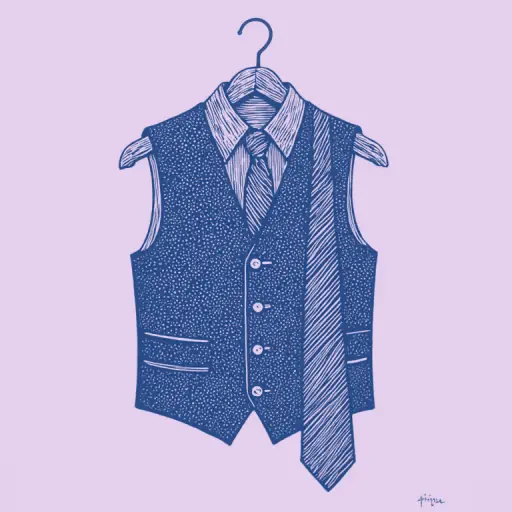
How to Wear a Men's Vest to Look Stylish in Any Situation
- 15 min read
- 70
The men's vest is one of the most underrated, yet versatile, elements of modern style. For a long time, it was perceived exclusively as a conservative part of a three-piece suit. However, today this stylish men's sleeveless garment has gone far beyond the strict office dress code.
Modern men's wardrobes offer an incredible variety of models: from elegant suit options to cozy knit vests and practical padded or quilted sleeveless jackets. A well-chosen vest works wonders for the silhouette: it visually tightens the figure, narrows the waist, and broadens the shoulders, creating masculine proportions. Furthermore, it is an ideal tool for creating stylish layering in clothing, which is a lifesaver in changeable weather.
In this guide, we will explore how to properly choose and what to wear with different types of vests, how to combine colors and textures, and what pitfalls to avoid so that your look always remains impeccable.
Classic Suit Vest: Rules of Business Style
The classic suit vest is the foundation of strict men's style, capable of instantly transforming the silhouette by lending it composure and aristocracy. Historically associated exclusively with conservative dress codes, this wardrobe item demonstrates surprising flexibility today. It not only structures proportions, visually broadening the shoulders, but also serves as a powerful tool for self-expression within the framework of business etiquette. For the suit vest to work for your image, it is important to understand the subtleties of its integration into modern office wear and to strictly adhere to fit canons.
As Part of a Three-Piece Suit and as a Standalone Piece
The classic suit vest is a tool of high tailoring aesthetics. As part of a three-piece suit, it brings the look together, making the silhouette streamlined and distinguished. Here, it is important to maintain unity of textures: a vest made from the same fabric as the jacket and trousers creates a strict monochrome ensemble for formal meetings. For special occasions, a contrasting vest is permissible (e.g., light gray or pastel with a dark blue suit).
As a standalone piece of business style, the vest works just as effectively. By removing the jacket, you maintain composure. In this case, combine it with the following items:
- A crisp solid-colored shirt (white or light blue), whose sleeves can be neatly rolled up.
- Classic trousers in the same color or contrasting pleated chinos.
- A tie that must be tucked under the vest.
Remember that the back of a classic vest is often made of smooth lining silk, so while this look is ideal for the office without a jacket, it is not intended for informal walks.
The Bottom Button Rule and Perfect Fit
The fit of a classic vest determines the entire silhouette. The main unwritten rule of men's style is to never fasten the bottom button. This tradition, rooted in English history, carries an important practical function today: an unfastened button prevents fabric tension when you sit down and maintains an impeccable silhouette line.
The perfect fit of a suit vest is based on three key criteria:
- Length: The vest must completely cover the waistband and belt of the trousers. The shirt should not be visible between the vest and the trousers, neither in the front nor on the side.
- Fit: The garment should fit neatly around the torso, emphasizing the 'inverted triangle' figure. If the buttons are strained or if the fabric forms wrinkles, the vest is too small.
- Armholes and Back: The armholes must be high enough but not cut into the armpits. For precise volume adjustment, always use the special buckle strap on the back.
Knit and Sweater Vest in Smart Casual Style
The transition from strict classicism to a relaxed yet elegant smart casual style opens up new possibilities for experimentation. The knit vest—or, as it is often called, the men's knitted sleeveless garment—has long ceased to be a detail exclusively of retro wardrobes. Today, it is one of the most versatile and functional elements of men's style.
The soft texture of the knit instantly lowers the level of formality while maintaining the composure and neatness of the silhouette. Such a vest excels at acting as a link between formal and casual items, allowing for the creation of comfortable and visually interesting outfits for work, meeting friends, or relaxing.
Pairing with Shirts, Jeans, and Chinos
To make a knit vest look modern rather than old-fashioned, use proven combination formulas:
- Office Smart Casual: Pair a solid-colored men's sleeveless garment with a textured knit (gray, dark blue, or beige) with a classic Oxford cotton shirt and chino trousers. The shirt should be lighter than the vest. Complete the look with loafers or derbies.
- Relaxed City Style: Wear a knitted vest over a denim shirt or a subtly checkered model. For bottoms, choose straight dark blue jeans without fading. Slightly roll up the shirt sleeves—this instantly removes excessive formality from the look.
Important rule: always tuck the shirt into the trousers or jeans if you are wearing a vest over it. A hem hanging out from under the sleeveless garment looks messy and visually breaks the figure's proportions. The shirt collar must also be neatly tucked under the vest's neckline.
Modern Trends: Textured Knits and Layering
Fashion is moving beyond basic combinations toward complexity of textures. Today, knitted vests with pronounced relief are highly popular: voluminous cable-knit, 'waffle' patterns, or large English ribbing. This men's sleeveless garment instantly adds depth and noble nonchalance to the look, freeing it from excessive strictness.
To create a stylish layered outfit, use a play of contrasts and volumes:
- Relaxed Street Style: Wear a loose-fitting textured vest over a thick white T-shirt so that its bottom edge is slightly visible underneath.
- Smart Casual: Combine a textured sleeveless garment with a soft flannel or Oxford shirt, and top it with an unstructured blazer or a heavy overshirt.
The main rule of modern layering is that each subsequent layer must be thicker than the previous one, and the collars and cuffs of the lower layers must neatly structure the silhouette.
Insulated, Padded, and Quilted Vest in Casual Looks
With the transition from soft knits to cooler weather, clothing that combines practicality and style comes to the forefront. An insulated, padded, or quilted vest is an indispensable element of the modern men's wardrobe for the transitional season. This men's sleeveless garment has long gone beyond purely sporty or country styles, becoming a full base for dynamic urban looks.
The main advantage of these models lies in their incredible functionality: they reliably protect the body from wind and cold, leaving the arms free and not restricting movement. A properly chosen insulated vest allows for easy experimentation with volumes and textures, creating complex yet comfortable everyday outfits.
Layering for Cool Weather: From Hoodies to Blazers
An insulated or quilted vest is the ideal tool for creating layered looks. It allows you to easily adapt your wardrobe to the whims of transitional weather, combining practicality with impeccable style.
Here are three proven layering formulas for different situations:
- Sporty Chic (with a hoodie or sweatshirt): Wear a voluminous puffer vest over a thick hoodie. The exposed hood adds dynamism and casualness to the look. This is an excellent choice for weekends, walks, or trips to the countryside.
- Urban Casual (with a sweater or turtleneck): Combine a medium-density quilted model with a chunky wool sweater or a sleek turtleneck. This duo looks put-together, elegant, and retains heat excellently.
- Smart Casual (with a blazer or jacket): A thin, technical, collarless vest can be worn under an informal wool blazer as an extra insulating layer. If the weather demands more warmth, a sleek vest in a neutral shade is worn over the jacket, replacing a conventional coat.
By experimenting with these combinations, you can easily transition from a relaxed everyday style to a more formal urban look.
Footwear and Accessories to Complete the Look
Choosing the right footwear and accessories is what transforms a simple outfit with an insulated vest into a well-thought-out look. The choice of shoes depends directly on the overall mood of the outfit:
- For a relaxed urban style: Minimalist leather sneakers, canvas shoes, or chunky lace-up boots (such as work boots) are perfect. They emphasize the utilitarian nature of the puffer vest.
- For a smart casual style: If you are pairing a thin quilted vest with a blazer or a thick shirt, opt for suede Chelsea boots, desert boots, or brogues. This balances the sporty undertones of the vest.
Accessories help place the final accents. In cool weather, a knitted beanie and a sleek chunky-knit scarf will harmonize with the look. For bags, a leather backpack or a technical cross-body sling bag is preferable. Avoid overly formal briefcases—they will clash with the volume and texture of the insulated sleeveless garment.
How to Properly Combine Colors and Textures in Men's Wardrobes
Even a perfectly fitting vest will lose its charm if its material clashes with the other elements of the outfit, or if the colors create visual chaos. Knowing how to combine textures and shades is what distinguishes an ordinary utilitarian ensemble from a truly stylish men's look. In a layered ensemble, the vest acts as a connecting link: it can either softly unify the outfit's details or become its main contrasting accent.
For the men's sleeveless garment to work for your image, it is important to learn to subtly sense the balance of materials and color. Let's examine the basic principles that will help you combine fabrics of different densities without error and find harmonious color solutions for any occasion.
Fabric Selection Rules: Tweed, Silk, Wool
The correct choice of texture is the foundation upon which a harmonious look with a men's vest is built. The main rule here is: the fabrics of all elements of the outfit must correspond to each other in density and season.
- Wool (classic suit wool): The most versatile and noble material. A wool vest pairs perfectly with smooth cotton shirts, classic trousers, and jackets made of similar fine wool. This is the basis of a strict business style.
- Tweed: Possesses a distinct rough texture and is excellent for smart casual and country styles. A tweed vest is categorically incompatible with thin silk ties or smooth evening suits. Its best allies are thick flannel shirts, denim, velvet, and chinos.
- Silk (and satin): Traditionally used for formal models (e.g., under a tuxedo) or for the back panel of classic vests. The silk texture demands perfect companionship: a thin shirt, a smooth wool jacket, and polished shoes. Attempting to wear such a vest with jeans or rugged boots will instantly ruin the look.
By maintaining a balance of density, you avoid visual dissonance and emphasize your impeccable taste.
Color Combinations: Contrast or Monochrome
The correct choice of vest color determines the overall mood of the outfit—from strict classic to relaxed casual. There are two main approaches: monochrome harmony and expressive contrast.
Monochrome Approach (Tone-on-Tone)
Creating an outfit in a single color palette visually elongates the silhouette and looks exceptionally noble. For business wear, a dark blue three-piece suit or a combination of charcoal gray vest with matching trousers works well. In smart casual style, a knitted vest in beige tones worn over a cream shirt looks great. Here, it is important to play with the difference in tone saturation so that the outfit does not look flat.
Contrasting Combinations
A contrasting vest acts as the main accent and helps move away from excessive formality. A classic example: a burgundy, mustard, or emerald vest paired with a dark blue or gray jacket. In a casual setting, a light gray vest over a dark shirt works well.
Golden Rule: If your vest has an active print (such as plaid), the shirt and trousers must remain solid-colored. This will prevent visual chaos and maintain the elegance of the ensemble.
Guide to Common Mistakes: How to Avoid Fashion Blunders
Even a perfectly chosen color palette and noble fabric texture will not save the look if critical errors are made in fit or stylistic combination. The men's vest is a tool of high precision: it can instantly structure the silhouette, making it look visually more toned and masculine, but with the slightest mistake, it can completely ruin body proportions or create an awkward clash of styles. For the vest to work for your authority, and not against it, it is important to know the key rules of proportion and harmony. Let's examine the main stylistic pitfalls that most often trap men when integrating this demanding element into their everyday and business wardrobes.
Incorrect Length and Size Mismatch
The most common and critical mistake when choosing a classic or knitted vest is incorrect length. The main rule of men's style is: the vest must completely cover the waistband of the trousers. Between the bottom edge of the vest and the belt, a shirt must never be visible. A visible strip of fabric visually cuts the figure in half, shortens the legs, and instantly ruins the integrity of the look. The other extreme is excessive length, where the garment drops significantly below the hip line, distorting body proportions.
Regarding size and fit, balance is critically important:
- Excessive tightness: If the buttons are hard to fasten and the fabric on the chest and back bunches, the vest looks too small. It should not function as a cinching corset.
- Baggy fit: An overly loose silhouette deprives the look of neatness. To adjust the fit of classic models, always use the back tab—fasten it so that the vest fits snugly but comfortably.
- Armholes and shoulders: The armholes must not dig into the armpits or hang like a sack. The shoulder seams must lie strictly on the shoulders.
The same sizing rule applies to insulated and puffer vests: a vest that is too tight will prevent you from wearing a thick hoodie or sweater underneath, while one that is excessively voluminous will turn you into a shapeless ball.
Style Incompatibility and the Faded Look Effect
If you have mastered the perfect fit and length, the next step is to learn how to pair the vest with styles that don't scream "rules." The most frequent mistake is trying to mix too many different styles in one outfit, which leads to a "faded" or "unpolished" wardrobe effect. Such an outfit looks as if you simply pulled things out of the back of the closet without considering a unified concept.
How to avoid stylistic chaos:
- Determine the dominant style: Before choosing a vest, decide what the overall atmosphere of your look will be: strict business, relaxed casual, or military. All other elements (jacket, trousers, shoes) must conform to this style. For example, if you choose casual, even a classic suit vest is better replaced with a knitted or textured one.
- The "single direction" principle: All wardrobe elements—from the vest fabric to the shoe texture—must lean toward one aesthetic line. You should not combine a smooth wool suit vest with rough denim jeans and athletic sneakers. This clash of styles looks unnatural.
- Formality balance: If you are wearing the vest as part of a three-piece suit (maximum formality), accessories (belt, tie, watch) must be maximally classic. If you are moving into casual wear (knitted vest with jeans), even the jacket should have a relaxed cut, and the shoes should be casual (Chelsea boots, derby boots).
Practical life hack: If you are unsure about the compatibility, use neutral, "connecting" elements. For example, a solid-colored scarf or a leather belt that visually "grounds" the entire look, uniting different styles into a single composition. Remember: the vest is not just an element; it is the central accent that should set the tone for your entire look.
Conclusion
A men's vest is not just a functional piece of clothing for warmth; it is a powerful tool for shaping the silhouette and creating a personal style. Whether it is a strict suit vest as part of a classic "three-piece," a cozy textured sleeveless vest in smart-casual style, or a practical puffer vest for cool days—this wardrobe element can instantly transform your appearance, visually broadening the shoulders and making the look more put-together and complete.
The main secret to successfully integrating a vest into daily life lies in observing the balance of proportions and styles. Remember the impeccable fit to the body, don't forget to leave the bottom button undone on classic models, and feel free to experiment with layering in cool weather. Avoid monotony and color blending, pay attention to the harmony of textures, and choose quality materials—from noble wool to technological nylon.
By investing in several diverse models, you gain an endless number of stylish combinations for the office, informal meetings, and country trips. Modern men's fashion values individuality, comfort, and effortless ease. Follow the basic rules, trust your sense of style, and the men's vest will become your favorite wardrobe detail, emphasizing confidence and status in any situation.