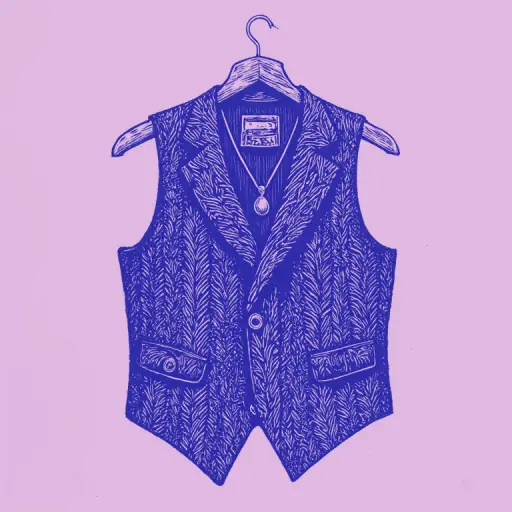
How to wear a women's vest stylishly and what to pair it with?
- 15 min read
- 75
The women's vest has long ceased to be exclusively an element of a classic men's suit or utilitarian workwear. In 2026, this wardrobe detail is experiencing a true renaissance, transforming into a key tool for creating complex, textured outfits. Today, the fashionable sleeveless piece easily adapts to any style: from a strict, aesthetic officecore to relaxed urban casual.
Modern designers offer us complete freedom of self-expression. Trending are both the elegant suit vest, which bold fashionistas wear on bare skin with wide palazzo pants, and the cozy knit vest, indispensable for creating stylish layered looks. The practical denim vest, the elegant long vest, and the insulated quilted vest—a lifesaver on cool transitional days—are holding their ground.
In this practical guide, we will thoroughly examine how to correctly combine different vest silhouettes, avoid typical proportion mistakes, and assemble relevant ensembles for work, outings, and romantic dates.
Choosing the Current Silhouette: 2026 Basic Models
The vest is not just a fashion accessory; it is a true stylistic constructor that allows you to assemble the perfect look from what you already have in your wardrobe. In 2026, this item is experiencing a true renaissance, offering options for every taste: from a strict business suit to relaxed casual wear. To ensure your vest always looks current, it is important to understand which silhouettes and shapes will dominate the season. We have divided the basic models into several key groups so you can choose the ideal "building block" for your future outfits.
Strict Classic and Officecore Aesthetic
In 2026, the vest element of the wardrobe has finally moved out of the "school" and "office" niche, becoming a universal accent. If you are looking for a strict yet modern look, pay attention to vests in the officecore aesthetic. This is the ideal choice for those who want to look put-together and professional without wearing a boring business suit.
Key elements of Officecore:
- Cut: Preference is given to clean lines, structured shoulders, and minimalist details. Vests made of dense wool, tweed, or suit fabric are ideal.
- Colors: The base is deep navy, charcoal gray, classic beige, and black. These shades easily integrate into any business wardrobe.
- How to wear: In this style, the vest should function as a "third piece" that completes the look. It looks great over a basic white or cream shirt and pairs well with straight palazzo pants or classic straight-cut trousers.
Expert Tip: To prevent the look from appearing too formal, be sure to add an accent with minimalist jewelry (such as a thin gold bracelet) or unusual footwear (such as loafers with a chunky sole). This "revitalizes" the strict classic, moving it into a modern context.
Casual Options: Knit, Denim, and Quilted Models
Unlike the strict suit vest, casual options—knit, denim, and quilted—allow you to experiment with textures and mood. These models are the perfect bridge between a strict office and relaxed casual wear.
Knit Vest-Sweater: This is the most versatile and cozy piece. Choose models made from blended yarns (wool/cotton) in neutral shades (beige, gray, khaki). It works perfectly as a standalone top layer, replacing a cardigan.
- What to pair it with: It looks great over a basic white T-shirt or a thin turtleneck. To create a relaxed yet put-together look, pair it with straight jeans or palazzo pants.
- Stylist Tip: To prevent the look from appearing too "homey," add an accent belt at the waist or chunky sneakers.
Denim Vest: An excellent element for creating a relaxed yet stylish look. It brings an element of vintage nonchalance.
- How to wear: It is best paired with more feminine elements, such as a silk midi skirt or a slip dress. This creates an interesting contrast between the rough texture of denim and the softness of the fabric.
- Important: Choose a denim vest that is not too voluminous so as not to "swallow" the figure.
Quilted Vest: The ideal choice for the transitional season and city walks. It adds a sporty chic to the look while remaining elegant enough.
- Formula: Quilted vest + slim eco-leather pants + chunky-soled boots. This ensemble looks modern and practical, perfect for the active urban rhythm.
How to Style a Suit Vest
If casual knit and quilted models are responsible for comfort and relaxation, the suit vest is the absolute synonym for composure, elegance, and refined style. Having migrated from the classic men's three-piece suit, this piece has instantly gained the status of the main element of the officecore aesthetic.
Today, the suit vest has gone far beyond the strict business dress code. Designers and street style icons suggest wearing it as a standalone top or using it in complex layered outfits, combining it with the most unexpected wardrobe elements. Let's examine the key styling techniques that will help unlock the full potential of this iconic piece in 2026.
Bold Move: Suit Vest on Bare Skin
The suit vest is the perfect element for those who want to look put-together but do not want to wear a full suit. It instantly gives the look structure and a finished appearance, fitting perfectly into the 2026 officecore aesthetic. But you don't have to wear it strictly by the rules. If you feel confident, the vest can be used as a standalone accent, creating a "bare skin" effect. This move requires boldness, but when chosen correctly, it looks incredibly stylish and modern.
How to achieve this:
- Base: Choose a vest made of dense, well-structured fabric (wool, tweed, thick cotton). This is critical so that it does not look "lost" against the skin.
- Bottoms: Wide palazzo pants or classic straight trousers are ideal. They balance the top accent and give the look a relaxed elegance.
- Accessories: Add a minimalist necklace or chunky earrings to draw attention away from the "empty" space and highlight the neck. Avoid unnecessary details so that the look remains clean and expensive-looking.
This maneuver allows you to create a look that is both daring and incredibly elegant, perfectly suited for informal business meetings or an evening out.
Classic Layering Combinations with Shirts and Blouses
If the bare-skin option seems too bold, return to the time-tested classic—layering. In 2026, combining a suit vest with shirts and blouses has gone far beyond the strict dress code, becoming the foundation of the officecore aesthetic.
To create a flawless layered look, use proven formulas:
- Volume Contrast: Wear a fitted suit vest over a loose-fitting men's white shirt. Slightly roll up the shirt sleeves and unbutton the top buttons to give the look a casual feel.
- Texture and Style Play: Combine a structured vest with feminine silk or chiffon blouses. Models with a pussy-bow collar, ruffles, or voluminous puff sleeves will soften the vest's masculinity and add romance to the look.
- Trendy Sheerness: Wear a semi-sheer blouse under the vest. The dense fabric of the suit vest will balance the transparency of the material, making the outfit elegant and mysterious.
For bottoms with these ensembles, loose palazzo pants matching the vest or straight jeans are ideal for creating a more relaxed urban look.
Outfit Formulas with Knit Vests-Sweaters
If a structured suit vest provides a sense of neatness and a business tone to the outfit, a soft knit vest-sweater is responsible for coziness, relaxation, and warmth. This fashionable sleeveless garment has long since moved beyond the preppy and school uniform styles, becoming a key element for creating complex textural outfits. In 2026, knit models are valued for their plasticity: they easily adapt to any mood—from casual urban chic to delicate romance. The secret to the popularity of the knit vest lies in its ability to instantly transform basic items, adding necessary volume and depth to the look. A properly chosen knit sleeveless piece works as an ideal tool for layered looks, allowing for an effective play on texture contrast.
Everyday Casual: Pairing with T-shirts and Longsleeves
Pairing a knit vest with basic t-shirts and longsleeves is the foundation of relaxed urban style. This layered look appears effortless yet stylish and put-together.
To make the outfit look current, use proven formulas:
- Loose White T-shirt + Knit Vest. Choose a t-shirt made of thick cotton with a slightly dropped shoulder. An important detail: the bottom hem of the t-shirt should peek out from under the vest by 3–5 centimeters. This visually complicates the set and adds a touch of casualness to the look. Complete the combination with straight jeans or loose palazzo pants.
- Solid Longsleeve + Textured Vest. For cooler days, a fitted longsleeve is ideal. Layer a voluminous, chunky-knit vest or a model with a minimalist geometric pattern over it. The volume contrast makes the set interesting without unnecessary details.
For footwear with these casual sets, flat-soled sneakers, retro trainers, or leather loafers are excellent choices.
Romantic Sets with Dresses and Midi Skirts
Let's move from casual looks to softer, more feminine accents. The knit vest-sweater is an ideal element for creating romantic, yet not overly formal, ensembles. Here, the key is the play of textures and the balance of volumes.
With Dresses:
- Midi Dress and Vest: This is a classic combination that always works. Choose a vest whose texture contrasts with the dress (for example, a chunky knit vest over flowing silk or satin). If the dress has a floral print, choose a neutral, solid-colored vest so as not to overwhelm the look. The vest can be buttoned up completely to create the effect of a single ensemble, or left open, using it as an accent cardigan.
- Slip Dress and Vest: For a bolder yet romantic look, use the vest over a slip dress. This adds a 'cozy' layer to the look, softening the sexuality of the satin. It works perfectly if the dress has a more straight cut and the vest is more voluminous and textured.
With Midi Skirts:
- Volume Balance: If the midi skirt is voluminous (for example, made of pleated material), choose a more fitted and structured vest. If the skirt is more structured and straight (for example, made of thick knitwear), you can allow yourself a more voluminous, chunky-knit vest.
- Waist Accent: Regardless of whether you choose a dress or a skirt, always emphasize the waist. Use a belt over the vest or at waist level to make the look appear put-together and harmonious. This is especially important when the vest itself is a voluminous element.
Styling Rules for Long and Insulated Models
When mastering combinations with knit and suit vests, we often forget that the vest is not just a layering element, but a standalone accent. Fashion is constantly changing its rules, and today, attention to length and volume prevails on runways and streets. Therefore, in our next section, we will focus on the most relevant and often underestimated silhouettes: long and insulated models. These vests allow for the creation of completely different looks—from strict urban chic to relaxed sporty moods. We will examine how to correctly use these
Elegant Urban Looks with Long Sleeveless Vests
The long vest is an ideal alternative to a light coat, trench coat, or blazer in the spring and summer season. The main advantage of this model is the creation of a clear vertical line, which visually elongates the silhouette and slims the figure.
To create a flawless urban outfit, use proven formulas:
- Elegant Monochrome: Pair the long vest with wide palazzo pants and a minimalist top in the same color. This trick visually adds height and creates a luxurious, relaxed look in the 'quiet luxury' style.
- Texture Contrast: Wear a dense vest over a flowing midi or maxi dress. The contrast between the heavy fabric of the sleeveless garment and the light hem looks ultra-modern.
- Waist Accent: To emphasize proportions, secure the vest with a medium-width leather belt. This ties the look together and makes it more polished.
Prefer models made from dense suit wool, crepe, or blended linen that hold their shape well.
Sporty Chic: How to Incorporate a Padded Vest into Your Wardrobe
A padded or quilted vest has long moved beyond exclusively sporty styles and country walks. In 2026, it is becoming a key element of urban sport-chic style. The main secret to its successful integration into everyday wear is playing with contrasts and achieving the right volume balance.
To make the look current, rather than looking like you just left the gym, use proven formulas:
- With Knitwear Sets: Pair a cropped padded vest with a voluminous hoodie and matching joggers. Complete the outfit with chunky-soled sneakers and a structured cross-body bag to balance the relaxed feel.
- With Jeans and Sweatshirt: Straight or wide jeans, a thick sweatshirt, and a mid-length quilted vest—this is the perfect base for cool days.
- Contrast with Classics: The boldest move is to wear a thin quilted vest under an oversized coat or to combine a voluminous padded model with wide palazzo pants and a minimalist turtleneck.
Avoid excessive tightness: both the base layer and the vest itself should fit loosely enough to create a stylish and relaxed silhouette.
Common Mistakes When Styling Vests and How to Avoid Them
Even the trendiest vest—whether a formal suit style or a cozy knit sleeveless vest—can instantly ruin the harmony of an outfit if you make regrettable styling blunders. This wardrobe item is highly demanding regarding its surroundings: it actively influences the visual perception of the silhouette, body proportions, and the overall aesthetic of the ensemble.
Often, the line between a cutting-edge layered look and an awkward, overloaded silhouette is very thin. To ensure your fashion experiments always end successfully, it is important to learn how to recognize and prevent the main styling mistakes that are most often made when integrating a vest into casual and business ensembles.
Proportion Violations and Incorrect Length Selection
An improperly chosen vest length can instantly distort even the most harmonious figure, visually shortening the legs or adding unwanted volume.
Here are three main mistakes to avoid when putting together looks:
- The "Dangerous Gap" with a Suit Vest. A short suit vest paired with low or mid-rise trousers exposes a strip of skin. In the officecore aesthetic, this looks messy. Solution: Pair a cropped suit vest exclusively with palazzo pants or high-waisted skirts.
- Distorting the Hip Line. A long vest whose hem ends at the widest part of the hip visually widens the silhouette and "grounds" the height. Solution: Choose a model that is either above the hip bone or significantly lower (to mid-thigh or knee) to elongate the vertical line.
- Amorphous Oversize. A voluminous knit vest over a loose dress or shirt without a waist accent turns the figure into a rectangle. Solution: Use a thin belt or choose a vest with deep side slits.
Outdated Combinations of Textures and Accessories
Many people make the mistake of trying to "load" an outfit with too many textures, or, conversely, making it too monotonous. The main principle is maintaining a balance of contrasts. Don't be afraid to mix materials, but do it consciously.
1. Texture Balance: How to Mix Fabrics Without Overloading
- Avoid "Heavy on Heavy": You should not combine, for example, a dense tweed suit vest with a wool cardigan and a leather bag. The look will become too "heavy" and visually weigh down the silhouette. If the vest is structured and textured, keep the other elements (blouse, trousers) smoother or more uniform.
- "Soft vs. Hard" Contrast: The combination of soft, draping fabrics (silk, viscose, cashmere) with hard, structured elements (leather, tweed, dense denim) works perfectly. For example, a silk blouse under a structured suit vest and leather trousers.
- Focus on One Material: If you choose a vest with an unusual texture (such as chunky knit or quilted denim), let it be the main accent. Then, the other items should be as neutral and uniform in texture as possible.
2. Accessory Mistakes: When "Too Much" is a Minus
- The "One Accent" Rule: Do not wear a bulky belt, a large necklace, and a bright scarf with a contrasting print simultaneously. Choose one element that will "shout" about itself, and let the other accessories complement it, not compete with it.
- Color Harmony in Accessories: If your vest and clothing are in a neutral palette (gray, beige, black), use accessories to add color. For example, a bright scarf or bag in a contrasting color will liven up the entire look.
- Balance of Volume and Decoration: If the vest itself is very decorative (many pockets, embroidery), the accessories must be minimalistic. Skip bulky bracelets and opt for sleek earrings or a thin belt.
Conclusion
In conclusion, we want to emphasize: the vest is not just a fashion accessory, but a true styling constructor. It possesses incredible versatility, allowing you to transform a basic wardrobe and create an outfit for any situation—from a strict office to a relaxed walk. The main secret to success in layering lies in balance: if the vest is structured and voluminous, the rest of the outfit should be lighter and airier. Conversely, if you choose a light dress, use a more structured vest to give the look completeness and focus.
Remember that fashion is cyclical, and the vest will always be relevant. Don't be afraid to experiment with proportions, textures, and combinations. The main rule to remember is: the vest should serve as an accent that "completes" your look, not dominate it. Feel free to combine it with your favorite pieces, and your wardrobe will always be on point!