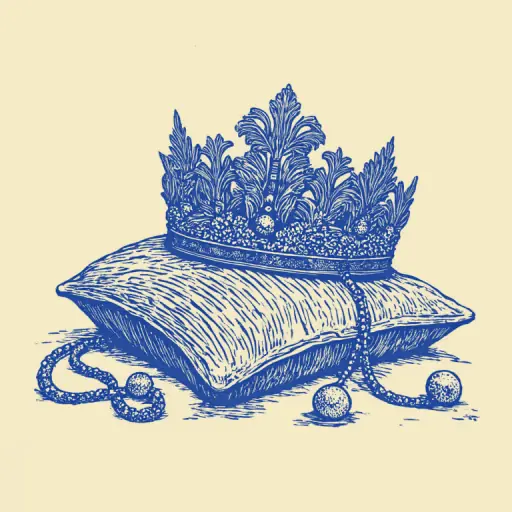
How to choose accessories for a wedding dress for a harmonious and elegant bridal look?
- 14 min read
- 28
A wedding dress is undoubtedly the centerpiece of the festive attire, its foundation and canvas. However, it is the correctly chosen accessories that bring it to life, highlight the bride's unique style, and add the final touches. Poorly chosen details can overwhelm even the most sophisticated design or, conversely, make a luxurious look pale and incomplete.
Finding the perfect balance between the veil, jewelry, shoes, and the dress itself is a true art that requires attention to detail. How do you navigate the diversity of bridal trends and create a harmonious ensemble where every detail has its place?
In this practical guide, we analyze step-by-step how to combine accessories without error with the cut and color of the dress, how to choose between a classic veil and modern alternatives, and what secrets of the final fitting will help you feel confident and impeccable.
Step 1. Analyzing the Dress Cut and Neckline
The foundation of an impeccable bridal look is always the dress itself. Its architecture—the lines of the cut, the depth of the neckline, and the overall silhouette—dictates the rules for selecting jewelry and accessories. Trying to choose earrings or a necklace independently of the dress cut is the biggest mistake that can make the appearance look visually cluttered or, conversely, incomplete.
To avoid this, professional stylists recommend starting the detailed analysis with two key parameters: the geometry of the neckline and the scale of the silhouette.
Properly placed accents help balance the proportions of the silhouette, highlight the grace of the neck, and harmoniously connect all elements.
Choosing Jewelry Suited to the Neckline and Neck
The shape of the neckline determines the geometry of the neck jewelry. The main rule is: the accessory must repeat the line of the neckline or subtly complement it, without creating visual chaos.
- V-Neckline: Pairs ideally with pendants on fine chains or Y-shaped necklaces that visually elongate the silhouette.
- Sweetheart and Bodice Necklines: These open up the décolletage area and allow for the wearing of an elegant round necklace, a choker, or highlighting large dangling earrings, completely avoiding pendants.
- Boat Neckline and High Neckline: These do not allow for neck jewelry. Here, accent earrings or long dangling earrings are better, accompanied by an elegant bracelet.
- Asymmetrical Neckline (One-Shoulder): Necklaces are contraindicated here. Balance the look with large earrings and an elegant bracelet on the opposite arm.
Remember: Jewelry must not extend beyond the edge of the fabric; leave at least 2 to 3 centimeters of free space between the two.
Interrelation Between Dress Silhouette and Accessory Volume
The wedding dress silhouette establishes the general proportions of the look and directly determines the scale of the jewelry. The main rule is: maintain visual volume balance:
- Voluminous Dresses (Ballgown, A-line): A voluminous skirt requires a proportional portrait design. So that the bride's face does not get lost in the background of the voluminous skirt, choose striking yet elegant jewelry, such as a discreet tiara or medium-sized, pronounced earrings. Avoid overly small details that would simply disappear into the folds of the fabric.
- Fitted Silhouettes ("mermaid," sheath dress): These dresses accentuate the body lines. Long dangling earrings, thin bracelets, and a long, flowing veil harmonize perfectly, visually elongating the silhouette.
- Minimalist Cut: A simple satin or silk dress is the ideal canvas for a single important accent. This could be a boldly designed pair of earrings or a voluminous tiara.
- Rich Embellishments (lace, embroidery, sequins): The more complex the dress texture, the more understated the accessories must be. In this case, it is better to limit oneself to simple earrings and avoid necklaces.
Step 2. Color Harmony: Combining Metals and Fabrics
After deciding on the silhouette and the neckline shape, it is important to move on to the equally delicate art of color. Even the most luxurious dress can lose its charm if the metal of the jewelry or the tone of the stones conflicts with the fabric's hue. The color harmony of the bridal look relies on a delicate balance between warm and cool palettes, where each element must enhance the brilliance of the other. To create a flawless ensemble, one must not only consider the pure color of the textile but also its intermediate tones and the natural complexion of your skin. The correctly chosen metals and stones can create true magic: they gently illuminate the bride's face, emphasize the nobility of the fabric's texture, and unite all the look's details into a single aesthetic concept.
How to Choose Jewelry for White, Ivory, and Nude Tones
The color palette of the wedding dress is the most important indicator when choosing the jewelry alloy. A poorly chosen metal can make the fabric look visually "dirty" or strip it of its nobility.
- Pure White Dress (Ultra-White): Here, cool metals are best: silver, platinum, and white gold. Pearls should be chosen in classic white or a slightly grayish shade. Avoid yellow gold, as it creates too strong a contrast with snow-like white fabric.
- Ivory Tones (Ivory / Ivory): This soft tone has a warm undertone and therefore harmonizes with yellow gold and rose gold. These enhance the depth of the fabric. Pearls should have a creamy or slightly yellowish luster.
- Nude and Blush Pink Tones (Nude / Blush / Champagne): These dresses pair perfectly with rose gold, bronze jewelry, and warm-toned crystals. They support the natural softness of the color and create a romantic look.
Rules for Choosing Metals and Stones According to Warm or Cool Skin Tone
For the bride's appearance to be impeccable, the chosen metal and stones must harmonize not only with the dress fabric but also with your natural complexion. A simple test to determine the color of the veins on your wrist helps guide you: blue or purple veins indicate a cool undertone, while greenish veins indicate a warm undertone.
- Cool undertone. Her natural beauty is enhanced by "cool" metals: platinum, white gold, and silver. As gemstones, classic diamonds, transparent crystals, and pearls with a pure pink or white luster are appropriate.
- Warm undertone. Golden-skinned wearers should prefer yellow gold and rose gold. Regarding stones, choose pearls in cream or peach tones and crystals in warm hues.
If you have a neutral undertone, you are lucky: you can choose any metal and base your decision solely on the color of the wedding dress.
Once the color palette for metals and stones is defined, it is time to address the main symbol of the nuptial celebration: the bridal headpiece. Historically, the veil was a mandatory element, but modern fashion offers brides complete freedom of expression. Today, the choice between a classic veil and elegant alternatives depends not only on personal preference but also on the dress's architecture, face shape, and the overall concept of the celebration.
A carefully selected headpiece can instantly transform the silhouette: it can optically lengthen the figure, balance a voluminous skirt, or lend royal grandeur to a simple sheath dress. Let's see how to find the perfect balance between tradition and current trends so that the headpiece harmoniously frames your appearance without overwhelming it.
How to choose the appropriate veil in length and volume
The choice of veil depends directly on the dress silhouette and your height. The main task is to maintain proportions and avoid overwhelming the silhouette.
Veil Length:
- Short (to the shoulders or elbows) harmonizes with simple and modern dresses, or bohemian or retro styles.
- Finger-length (medium) is a universal classic that perfectly suits A-line and "mermaid" silhouettes.
- Long (cathedral) is the impeccable option for evening gowns with a train.
Volume and Decoration:
- Volume Balance: One should not choose a veil that is too voluminous and multi-layered for a narrow and straight dress, as this can alter the body shape.
- Contrast Rule: If the dress is richly decorated with lace or embroidery, the veil must be as simple and transparent as possible. Conversely, a minimalist satin ensemble pairs perfectly with a veil edged in lace or scattered with pearls.
Alternative Headpieces: Tiara, Headbands, Pins, and Fresh Flowers
If the classic veil does not fit your concept, modern alternatives can help express individuality and highlight the dress style:
- Tiara or Diadem. The ideal option for a majestic look. It pairs best with voluminous dresses and the "mermaid" silhouette. It is important that the metal of the tiara exactly matches the other bridal accessories.
- Minimalist Headbands. A trendy option for simple satin dresses or Art Deco ensembles. Fabric, pearl, or fine metal headbands add graphic touches and elegance to the look.
- Hair Pins and Ornaments. An elegant solution for updo hairstyles (buns, textured ponytails). A large side pin or a discreet back ornament perfectly complements a backless dress.
- Fresh Flowers. An essential element if your style is bohemian, rustic, or fluid Provençal. A large flower or a crown of small flowers accentuates the lightness of a chiffon or lace dress.
The main rule is: Overall harmony; the more elaborate the dress ornament, the simpler the headpiece must be so as not to overwhelm the bride's image.
Step 4. Choosing Shoes and Additional Details
Once the upper part is entirely designed and the hairstyle and jewelry harmoniously complement the veil, it is time to look closer. The bride's image consists not only of what is visible but also of the hidden details that directly influence her posture, gait, and inner confidence. Shoes and additional accessories link the dress aesthetic to practical comfort throughout the celebration day.
Carefully chosen shoes, elegant gloves, and discreet lingerie complete the ensemble and transform it into a unified work of art. Let's see how to maintain the balance between an impeccable style and comfort so that no detail tarnishes this important day.
Bridal Shoes: Balancing Dress Style and Comfort
Bridal shoes are the foundation of your comfort and security throughout the celebration day. To avoid sacrificing beauty for comfort, follow three golden rules when choosing shoes:
- Heel Height and Shape. If you rarely wear stiletto heels in daily life, the wedding is not the day for extreme heights. Opt for a stable 5 to 7 cm block heel or elegant kitten heels.
- Coordination with Dress Style.
- Classic and minimalist: Simple closed shoes in leather or satin matching the dress color.
- Bohemian or rustic style: Suede ankle boots, wooden-heeled shoes, or woven sandals.
- Voluminous dress: Closed shoes with a secure foot fastening, as it is easy to trip under a heavy skirt.
- Spare Pair. Without fail, prepare a "Plan B": elegant flats, ballet flats, or loafers to change into before the banquet and dancing.
Style Tip: Buy the shoes in the afternoon, when the foot is slightly swollen, and wear them at home for 15 to 20 minutes every day for two weeks before the celebration.
Gloves, Hosiery, Garters, and Bridal Lingerie Details
The choice of hidden details and accessories determines how secure and comfortable you will feel during the celebration day.
- Bridal Lingerie. The main rule is absolute invisibility. Contrary to stereotypes, under a white dress, it is preferable to choose seamless nude-colored lingerie rather than white, so that it does not show through under bright sunlight or a flash. For backless or complex neckline styles, use silicone cups or special bodysuits.
- Gloves. This accessory is selected following the rule of proportion: the shorter the dress sleeves, the longer the gloves can be. Long, fine tulle gloves suit a bustier dress, whereas they are not necessary with a long-sleeved dress.
- Stockings and Garter Belts. Choose stockings that match your skin tone (8 to 15 denier density). The garter belt is traditionally worn on the right thigh, just above the knee. If you have a fitted dress, prefer a plain garter belt without voluminous lace or large beads, so that it does not show under the fabric.
Step 5. Seeking Balance and Final Check Rules
Once all elements of the bridal outfit have been selected—from the luxurious dress to the elegant shoes and lingerie—the most important moment begins. The composition of a uniform ensemble demands masterful precision and a sense of measure. Even the most exquisite accessories can lose their charm or, worse, overshadow the bride if the rules of visual balance are violated.
At this stage, it is crucial to stop and critically evaluate the overall composition. We will analyze how to distribute accents among the key elements so that the appearance is cohesive, and why the final fitting with the complete outfit is the only reliable way to guarantee a flawless result on the wedding day.
How to Properly Match Earrings and Necklaces Without Overloading the Look
The biggest secret to a flawless wedding look is respecting the "One Accent Rule." Earrings and necklaces are in the bust area; they instantly overload the bride's face and divert attention from her natural beauty.
To find the perfect balance, use proven pairing formulas:
- Accent on Earrings. If you have chosen prominent dangling earrings, clips, or large pendants, completely omit the necklace. The neck must remain bare to emphasize the elegance of the lines. This is particularly relevant with updo hairstyles and well-secured hair.
- Accent on the Neck. A statement necklace, a pearl choker, or a sparkling necklace requires accompaniment that is as discreet as possible. Ideal complements are subtle stud earrings or graceful drops.
- Minimalist Duo. If the dress features a complex and conspicuous ornament (embroidery, sequins, lace), both pieces of jewelry must be discreet: a fine necklace with a miniature medallion and small, classic earrings.
Think about the unity of materials: the metal, stones, and pearls of the earrings and necklaces must match perfectly in tone and style to create a uniform and harmonious set, not to compete with each other.
Final Fitting: Why Jewelry is Purchased After the Dress
The most important golden rule in wedding shopping is: Dress first, then accessories. Trying to buy earrings, a necklace, or a tiara before defining the final silhouette and tone of the dress is one of the most common mistakes brides make and leads to stylistic dissonance.
Why this order is crucial:
- Precise Color Fidelity. White has dozens of shades: from cold snow white to warm cream, powder pink, or ivory. The metal of the jewelry must match this undertone. Yellow gold can look too harsh on light ivory satin, while cool silver can "kill" the softness and warmth of a champagne tone.
- Texture Coordination. The fabric texture dictates the character of the details. A simple, delicate silk dress pairs with minimalist and modern jewelry, whereas complex lace demands softer, rounded shapes and does not tolerate strict geometries.
- Proportions and Neckline. The depth of the neckline and the height of the neck determine the length of the necklace or the size of the earrings. Without trying on the dress, it is easy to get the necklace length wrong, as it constantly disappears under the bodice fabric.
The final fitting is the dress rehearsal of your look. All details must be taken into account: dress, shoes, veil, lingerie, and selected jewelry. Ideally, this fitting coincides with the hair and makeup trial. Only once the puzzle is assembled can you objectively evaluate the balance, check the comfort of fastenings and closures, and correct, if necessary, the veil length or heel height.
Conclusion
The creation of a harmonious wedding look is a fascinating creative process in which every detail plays an important role. The secret to success lies in balance, moderation, and consistency. Remember that wedding accessories serve to enhance your natural beauty, your character, and your unique style, not to overshadow the bride herself.
To ensure your festive outfit is impeccable, follow these key guidelines:
- The dress is the priority: Always buy jewelry, veils, and shoes only after you have definitively decided on the dress's silhouette and color.
- Style Consistency: Choose metals, stones, and ornaments that align with the tone of the fabric (white, ivory, nude) and the general concept of the celebration, whether it is classic, bohemian, or modern minimalist.
- Comfort and Confidence: The bride's shoes, lingerie, and hairstyle must not only be beautiful but also comfortable so that you can enjoy every moment of the celebration.
Do not hesitate to experiment and reject stereotypes in favor of what truly suits you. The most important thing is that you feel secure and harmonious on this special day. Trust your taste, and your look will be a true embodiment of elegance.